
[ September 13, 2026 by ECWT 0 Comments ]

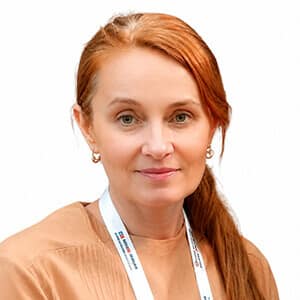
Petya Zheleva

Your organization field and mission:

Professional Technical High School – Burgas provides vocational and general education, preparing students for successful professional realization and further studies. Its mission is to combine high-quality education with practical skills, modern technologies, STEM learning and innovation, while supporting students in developing digital, technical, social and entrepreneurial competences.

Please tell us briefly about your role in the company / organization:

I am a Senior Teacher of Mathematics and Information Technology at Professional Technical High School – Burgas. My work combines classroom teaching with STEM education, educational robotics, digital technologies and project-based learning. I also participate in the development and implementation of innovative educational activities, STEM projects, extracurricular initiatives and robotics competitions, with a strong focus on developing students’ problem-solving, teamwork and digital skills. I am an ambassador for Lego robotics competitions in Bulgaria.

Your interest in STEM

My interest in STEM developed naturally through my background in engineering, mathematics and information technology. Over the years, I became increasingly interested in combining theoretical knowledge with practical activities that allow students to experiment, design, program and solve real-world problems. Educational robotics, LEGO-based projects, programming and digital technologies strengthened this interest and became an important part of my teaching practice. In 2020, I won a national competition in Bulgaria as a STEM teacher, and I was also honored as Bulgaria’s Teacher of the Year—receiving awards in both 2020 and 2024.

My first strong role models in STEM emerged in 2020, when I won first place in a national STEM competition in Bulgaria. At that time, I was deeply inspired by educators and professionals who demonstrated how technology, creativity and practical learning can transform education. Over the years, I have also had the opportunity to become a role model myself through my own achievements in STEM education. I have developed and implemented numerous STEM projects, shared good practices with students and colleagues, and published many articles presenting my educational projects and experience at international level. Today, my role models continue to be innovative educators, engineers, researchers and women in STEM who inspire others through knowledge, persistence, creativity and meaningful professional contribution.

Your studies

My main strengths during my studies were persistence, curiosity and a strong interest in mathematics, engineering and technology. One of the challenges was combining demanding academic requirements with the need to continuously adapt to new technologies and methods. At the same time, every new qualification created opportunities for professional development, interdisciplinary learning and the integration of new approaches into education. The main challenge has always been keeping pace with the rapid development of technology while maintaining a strong pedagogical focus.

Do not be afraid of mathematics, technology or engineering because they are fields where creativity, logical thinking and imagination work together. Believe in your abilities, ask questions, experiment and continue learning even when something seems difficult at first. Choose a field that genuinely interests you and look for opportunities to apply your knowledge in practice.

You at work

Our school supports inclusive education, equal access to learning opportunities and the development of every student according to their individual abilities. Through STEM activities, robotics, digital projects and teamwork, students are encouraged to participate actively regardless of gender, background or previous experience. We also promote collaboration, responsible use of technology and educational activities connected with sustainability and real-world challenges.

I am most proud of creating learning experiences in which students become active participants rather than passive learners. Through STEM projects, LEGO robotics, programming and participation in robotics competitions, I have seen students develop confidence, teamwork, problem-solving and algorithmic thinking. I am also proud of contributing to innovative educational initiatives and of sharing my experience with other educators through projects, conferences and professional forums.

Your point of view

Technology can empower women by providing access to education, professional development, flexible working opportunities, entrepreneurship and international networks. Digital skills also give women greater independence and the ability to create, communicate and participate actively in sectors that are shaping the future.

Be confident in your knowledge and do not allow stereotypes to define what you can achieve. Continue developing your digital and professional skills, work on real projects, learn from mistakes and seek collaboration with people who encourage your growth. In education and technology, continuous learning is one of the strongest professional advantages.

By 2030, I would like to see equal access to high-quality STEM and digital education for all students, greater participation of girls and women in technology and engineering, and learning environments where diversity and inclusion are recognized as strengths. I would also like schools and technology organizations to collaborate more closely in order to create more practical opportunities for young people.

To finish with

My core values are responsibility, integrity, continuous learning, respect, collaboration and commitment to education. I believe that knowledge gains its greatest value when it is shared and when it creates opportunities for others to grow.

My future professional challenge is to continue developing innovative approaches that connect mathematics, information technology, robotics and STEM education. I also want to expand my work in teacher collaboration, educational projects and the development of learning environments where technology supports creativity, practical skills and meaningful learning.

By 2030, I hope to have expanded my contribution to STEM education, educational robotics and the professional development of teachers, both at school level and within the wider educational community. I would like to participate in more national and international projects, share good practices with other educators, and contribute to initiatives that encourage young people, especially girls, to build confidence and take advantage of opportunities in STEM and technology.

The current activity has been implemented in the framework of the Project: Code4Europe,
GA Number: 101158834. Official project website : 
https://codeweek.eu/ 

[ September 12, 2026 by ECWT 0 Comments ]

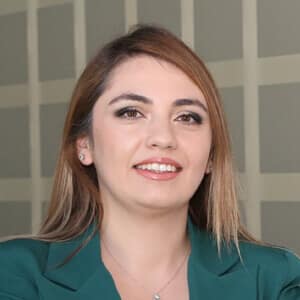
Desislava Tsokova

Your organization field and mission:

PG “Prof. Dr. Asen Zlatarov” – Vidin is a vocational school and a Centre of Excellence in vocational education and training. It provides modern, technology-rich education in technical fields such as robotics, computer systems and technologies, electrical engineering, electronics and energy. The school has a high-tech learning environment with specialised laboratories and equipment that support STEM education, innovation and practical, project-based learning. Its mission is to prepare young people with the knowledge, digital and engineering skills, creativity and confidence they need for successful careers and for the challenges of the future.

Please tell us briefly about your role in the company / at your organization:

I am a Deputy Principal and also a teacher of Chemistry and Information Technologies at PG “Prof. Dr. Asen Zlatarov” – Vidin. I work with students in STEM education, robotics and digital technologies, using project-based and interdisciplinary approaches. For almost 20 years, I have been organising and leading educational events and activities related to programming and digital technologies. I am a Leading Teacher in EU Code Week and actively promote students’ interest in technology, programming and innovation.

Your interest in STEM

My interest in STEM comes from my background as a chemical engineer and teacher of Chemistry and Information Technologies. I am fascinated by the connection between science, technology and real-world problem solving. Working with students in robotics, programming and digital technologies has shown me how STEM can inspire young people to be curious, creative and confident in finding solutions.

From an early age, I have been fascinated by scientists and inventors from the past and by how many ideas and discoveries they created with the limited resources available in their time. Leonardo da Vinci is a particular inspiration to me because of the way he combined science, art, engineering and curiosity about the world. Over time, my role models have expanded to include different colleagues, professionals and people whose interesting ideas and projects I have discovered through books, the Internet and my constant search for new knowledge. The book The Innovators has also influenced me, especially the stories of pioneers in programming, including Ada Lovelace.

Your studies

I have always loved challenges. I grew up in a family of engineers, so technology has always been part of my world. As a child, I loved building and creating mechanical things. My interest in computers and programming came much later and developed gradually. I got my first computer around the 10th grade, and programming at that time was quite different from what fascinates me today.

For me, the real magic of programming is not simply writing code and getting a result on a screen, but seeing the code come to life – actually making a mechanism, a robot or another device move and work. I discovered this later through LEGO robotics and Arduino, and it challenged me to keep learning more and more.

One of my challenges has been that I often had to teach myself through books, the Internet, extensive reading and experimentation, without having someone to guide and support me. But when you reach a solution on your own and understand how something works, the satisfaction of learning is much greater.

What inspires me most is combining different fields. As a chemical engineer, I learned that a solution rarely belongs to just one area of science – chemistry, physics, mechanics, mathematics, biology and technology complement and depend on each other. Today, this interconnectedness continues to inspire me, and I try to pass this curiosity on to my students.

Do not be afraid to challenge yourself and try! Being an engineer, programmer or technology specialist is not a “man’s job”. The history of programming itself shows this – the first published algorithm intended to be processed by a machine was written by a woman, Ada Lovelace.

I believe women can be excellent engineers, programmers and designers. We often look at problems from different perspectives and combine ideas in unexpected ways, which can lead to original and inventive solutions. We should not limit ourselves by thinking that because something is related to technology, it is meant for men.

In my work as a teacher, I have rarely met girls who show an interest in technology and programming from an early age. I believe this is also related to stereotypes that have been passed down through generations. That is why it is important to encourage girls to try, experiment and discover for themselves how much they can achieve. They do not need to know everything from the beginning – what matters is having the courage to start, make mistakes, look for solutions and keep going. Once they overcome their initial hesitation, they can discover how interesting, creative and rewarding it is to create with technology.

You at work

Over the years, I have organized different events both within our school and for students from other schools, focused on technologies such as Arduino, Scratch, LEGO and micro:bit. I have also organized initiatives encouraging girls to explore programming and technology. I try to create opportunities for students to experiment, build, and see how technology can be connected to real-life ideas and problems.

At the moment, we are working on an international project for a hydroponic system controlled by an electronic system, which is another example of how different areas of knowledge and technology can be connected.

What I am most proud of is the community I have managed to build around robotics and technology at my school. About 10 years ago, when I started developing the club, I could barely gather 4–5 students. Today, there are more than 20. For me, it is more than just a club – it is a space beyond the usual school environment where students can experiment, create, learn from each other and discover their own potential.

Your point of view

Technology can empower women by giving them confidence, knowledge and opportunities to create and achieve things they may have once considered out of reach. It broadens their horizons and encourages creativity, problem-solving and continuous learning. For me, technology has never been something defined as “for men” or “for women” – it has simply been something I enjoyed exploring and creating with. It also brings together many different fields, from science and engineering to art and design, helping people develop a much broader set of skills. I believe girls should be encouraged from an early age to explore technology, experiment and discover what they are capable of, rather than being guided by stereotypes about which professions are “for women” or “for men”.

My advice is simple: follow your dreams and do not see technology as a “male territory”. Engineering, technology and programming are not professions reserved for men. Women can be equally good engineers, programmers and designers, and their creativity and different ways of thinking can be a great advantage. The most important thing is to challenge yourself, try and not give up just because something seems difficult or unusual. Confidence comes when you see for yourself that you can do it.

By 2030, I would like to see more young people interested in creating, experimenting and developing through technology, rather than simply consuming it. I would like engineering, robotics and technology to become more accessible and attractive from an early age, with equal encouragement for both girls and boys. I also hope we will find the right balance between artificial intelligence and human creativity, so that technology helps us develop our natural abilities rather than replace them.

To finish with

My core values are curiosity, lifelong learning, creativity, inspiration, perseverance, collaboration and respect. I believe we should remain curious, keep developing and never be afraid to try new things. It is also important to me to share my knowledge, inspire others and work with people from whom I can learn something new.

My biggest professional challenge is constantly adapting to new generations and rapidly developing technologies. Artificial intelligence, the Internet of Things, and new educational solutions such as LEGO® Education Computer Science & AI, which are also entering competitions, require me to continuously learn and develop my knowledge. Sometimes this means becoming a beginner again and learning alongside my students. For me, this is a challenge, but also one of the most exciting parts of my profession.

By 2030, I hope to have successfully adapted to new technologies, artificial intelligence and new generations of students, and to have found the right balance in working with all of them. For me, the challenge is that with every new technology, I become a beginner again rather than simply building on what I already know. But this is exactly what keeps me learning and developing. I hope that in four years I will have found my own “recipe” for combining technology, artificial intelligence and human creativity in my work with students.

The current activity has been implemented in the framework of the Project: Code4Europe,
GA Number: 101158834. Official project website : 
https://codeweek.eu/ 
[ September 9, 2026 by ECWT 0 Comments ]

Sultan Nilay Sengol

Your organization field and mission:

Süleyman Demirel University is a research-oriented higher education institution committed to creating scientific, technological, and societal value through education, research, innovation, and collaboration.

Within this ecosystem, the Technology Transfer Office bridges academia, industry, entrepreneurs, and public institutions. Its mission is to transform knowledge and research into impact by supporting entrepreneurship, technology commercialization, university industry collaboration, intellectual property, and national and international innovation projects.

Please tell us briefly about your role in the company / at your organization:

As Technology Transfer Office Coordinator, I work at the intersection of academia, entrepreneurship, innovation, and industry. I coordinate programs that help researchers, students, entrepreneurs, and companies transform ideas and research outcomes into projects, collaborations, and scalable solutions.

My work includes entrepreneurship and technology commercialization programs, university-industry collaboration, national and EU-funded initiatives, mentoring, and capacity-building activities. I am particularly interested in how digital transformation, sustainability, and emerging technologies can create more inclusive innovation ecosystems and new opportunities for women and young people.

Your interest in STEM

My interest in STEM grew from a fascination with what happens when technology meets entrepreneurship and real-world problems. I was not originally trained as an engineer or computer scientist; my academic background is in entrepreneurship and business. This became an advantage because it taught me to approach technology through its human, economic, and societal impact.

Working within technology ecosystems showed me that STEM is not only about developing technology, it is also about asking the right questions, connecting disciplines, and turning knowledge into solutions. Today, my interest focuses particularly on artificial intelligence, digital transformation, sustainability, and technology-driven entrepreneurship.

My first role models were the educators who made me believe that curiosity and continuous learning could open doors beyond one’s original field of study.

Today, rather than having a single role model, I am inspired by women who move between disciplines and turn knowledge into impact researchers, entrepreneurs, educators, and leaders who make technology more accessible and inclusive. I particularly admire women who succeed professionally without feeling that they have to imitate traditional models of leadership and who create space for other women to succeed with them.

Your studies

My greatest strength has always been curiosity and the ability to connect different disciplines. Entrepreneurship taught me to see opportunities, while my academic journey taught me to question assumptions and build evidence.

My main weakness was initially believing that I needed to know everything before I could contribute confidently, particularly when entering technology-oriented environments without a traditional STEM degree.

The greatest opportunity has been interdisciplinarity. Moving between entrepreneurship, European studies, digital transformation, sustainability, and emerging technologies has allowed me to develop a perspective that would not have emerged from a single discipline.
The main challenge has been keeping pace with rapidly changing technologies while balancing academic development with an active professional career. Over time, I learned that continuous learning is not a temporary stage—it is part of working in innovation.

Do not wait until you feel completely ready. Technology changes too quickly for anyone to know everything, and confidence often comes after taking the first step, not before it.

Build strong foundations, but remain curious beyond your own discipline. Learn how technology works, how people use it, and what problems it can solve. Seek mentors, participate in international networks, develop your digital skills, and create projects rather than only collecting certificates.

Most importantly, do not eliminate yourself from an opportunity before anyone else has even evaluated you. Apply, speak, experiment, and allow yourself to grow into ambitious roles.

You at work

At Süleyman Demirel University, we contribute to DEIS through initiatives that broaden access to entrepreneurship, innovation, digital technologies, and international opportunities for students, researchers, entrepreneurs, and different stakeholder groups.

Through the Technology Transfer Office and our national and European collaborations, we support capacity-building activities in areas such as digital entrepreneurship, green transformation, emerging technologies, and innovation. We also work to connect academia with industry and entrepreneurship ecosystems, creating pathways for individuals from different disciplines and backgrounds to participate in innovation.

For me, inclusion means more than inviting people into existing systems; it also means designing innovation ecosystems in which different people have a genuine opportunity to contribute, lead, and create value.

I am most proud of creating bridges—between universities and industry, researchers and entrepreneurs, ideas and implementation, and local potential and international opportunities.

Throughout my career, I have contributed to entrepreneurship and innovation programs, technology transfer activities, national initiatives, and European projects that bring together academia, business, public institutions, and young innovators. Seeing an idea evolve into a project, a collaboration, or an entrepreneurial opportunity is still one of the most rewarding parts of my work.

What matters most to me is not a single project or title, but creating multiplier effects: helping people gain the confidence, networks, and opportunities that enable them to create further impact themselves.

Your point of view

Technology can reduce some of the traditional barriers that have limited women’s access to knowledge, networks, markets, finance, and professional opportunities. A woman can learn globally, build a company, access customers, collaborate internationally, and make her expertise visible without being limited entirely by geography or traditional institutional structures.

But access alone is not empowerment. Women must also participate in designing, developing, governing, and investing in technology. Especially in the age of artificial intelligence, women should not only be users of the future; they should be among its architects.

Learn the language of technology, but never underestimate the value of your own discipline. The future belongs increasingly to people who can connect different worlds: technology and society, research and business, sustainability and growth.

Build your network before you need it. Find mentors, but also become a mentor as you progress. Volunteer for projects that initially feel slightly beyond your experience. Learn to communicate your ideas clearly and make your work visible.

And remember: you do not need permission to become more ambitious.

By 2030, I hope we will have moved beyond discussing women’s participation simply in terms of numbers. Representation matters, but real inclusion means women having equal opportunities to lead research, build technology companies, attract investment, shape innovation policy, and participate in decisions about emerging technologies.

I would particularly like to see more women represented at the intersection of artificial intelligence, entrepreneurship, investment, and technology leadership. My goal is not only to see more women entering innovation ecosystems, but more women shaping how those ecosystems work.

To finish with

Curiosity, integrity, courage, continuous learning, collaboration, and impact.

I believe knowledge becomes more valuable when it is shared, leadership becomes stronger when it creates opportunities for others, and innovation becomes meaningful when it improves people’s lives. I also value the courage to remain a learner to question what we know, enter unfamiliar fields, and continually reinvent ourselves.

My next challenge is to deepen the connection between my academic research and my professional work, particularly in artificial intelligence, entrepreneurship, digital transformation, and sustainability.

I want to move from managing and supporting innovation to contributing more strongly to how innovation ecosystems are designed and shaped. This requires continuously developing my research capabilities, international networks, technological literacy, and leadership skills while remaining open to disciplines and perspectives beyond my own.

By 2030, I hope to have evolved into an internationally connected academic and innovation leader working at the intersection of artificial intelligence, entrepreneurship, sustainability, and European innovation ecosystems.

I aim to combine academic research with real-world impact: contributing to international projects, developing evidence-based approaches to entrepreneurship and innovation, mentoring the next generation of entrepreneurs and researchers, and building stronger bridges between Türkiye and European innovation networks.

Most importantly, I hope that some young women will be able to look at my journey and think, “There is a place for me there too.” For me, that would be one of the most meaningful measures of professional success.

The current activity has been implemented in the framework of the Project: Code4Europe,
GA Number: 101158834. Official project website : 
https://codeweek.eu/ 

[ August 30, 2026 by ECWT 0 Comments ]

Maria Roussou

Your organization field and mission:

The University of Athens (www.uoa.gr) is a leading higher education and research institution in Greece. Its mission is to provide high-quality education, advance scientific research and innovation, and contribute to society through the creation, dissemination, and application of knowledge.

Please tell us briefly about your role in the company / at your organization:

I am an Associate Professor at the Department of Informatics and Telecommunications of the National and Kapodistrian University of Athens (NKUA). My role involves teaching and supervising students, conducting research in the fields of virtual reality, human-computer interaction, and data visualization, and contributing to academic and research projects and collaborations.

Your interest in STEM

My interest in STEM developed towards the end of my undergraduate studies, when I discovered the potential of computer science applications in education and computer graphics. I was fascinated by how technology could be used not only to solve computational problems, but also to create new ways of learning, communicating, and interacting with digital content. This experience motivated me to pursue further studies and research in the field.

Dana Plepys (https://www.evl.uic.edu/dana/) was my first manager when I was a graduate students and reasearch assistant the Electronic Visualization Laboratory. Her gentle and fair conduct inspired me and guided my first steps as a manager later on.

Your studies

My biggest challenge was starting my undergraduate studies in Informatics in 1987, at a time when I had never used, or even seen, a computer before. Then again, when I went to grad school in the US. Adapting to a completely new field, a new country, and developing the necessary technical skills from scratch was challenging.

I would encourage girls and women to be curious, confident, and persistent. Computer science and technology need diverse perspectives, and there is no reason to see these fields as “men’s fields.” Build strong foundations, seek mentors and supportive communities, and do not be afraid to take on challenging opportunities.

Your point of view

Technology can empower women by providing access to education, knowledge, professional opportunities, and global networks, regardless of geographical or social barriers. It can also amplify women’s voices, support entrepreneurship and creativity, and enable greater flexibility in balancing professional and personal responsibilities.

Be curious, believe in your abilities, and do not be afraid to take up space in the technology sector. Build strong skills, seek mentors and supportive networks, and embrace challenges as opportunities to grow. Check out networks such as eugain.eu

I would also like to see inclusive practices become embedded in institutional culture, rather than treated as separate initiatives. And achieve what Norway has achieved: the percentage of female applicants to computer science studies in Norway has reached 36.7%.

To finish with

To inspire my students top “stretch and grow”.

Advancing to the highest level (Full Professor) in academia.

I hope to have completed a sabbatical which will then allow me to advance as a researcher in academia.

The current activity has been implemented in the framework of the Project: Code4Europe,
GA Number: 101158834. Official project website : 
https://codeweek.eu/ 
[ June 24, 2026 by ECWT 0 Comments ]

Tetiana Vylyvok

Your organization field and mission

We work in the field of early childhood education. Our mission is to create a safe, inclusive and supportive environment where children can develop emotionally, socially, intellectually and creatively. We promote innovative educational approaches, including STEM education, to help children explore, discover and build essential skills for the future.

Please tell us briefly about your role in the company / at your organization

I am the Director and Preschool Educator of a preschool educational institution. I coordinate the educational process, support teachers’ professional development, and work directly with children. I actively promote STEM-based learning, encouraging curiosity, critical thinking, creativity, and problem-solving skills from an early age.

Your interest in STEM

My interest in STEM began while working with preschool children and observing their natural curiosity about the world around them. I realized that children learn best when they can explore, experiment, ask questions, and discover solutions on their own. This inspired me to integrate STEM approaches into the educational process. Through hands-on activities, simple experiments, construction projects, and problem-solving tasks, I saw how STEM helps children develop creativity, critical thinking, communication, and teamwork skills from an early age.

My first role models were the teachers and educators who inspired children to learn with enthusiasm and confidence. Their dedication showed me the importance of creating a supportive and engaging learning environment. Today, my role models are innovative educators, researchers, and STEM advocates who promote child-centered learning and encourage young learners to explore science, technology, engineering, and mathematics through creativity and discovery. I am especially inspired by educators who help children develop the skills needed for the future while nurturing their emotional well-being and individuality.

Your studies

During my studies, my greatest strengths were motivation, responsibility, perseverance, and a genuine passion for education. At times, I faced challenges such as self-doubt and the difficulty of balancing academic requirements with personal and professional responsibilities. However, these experiences helped me become more resilient and adaptable. My studies opened many opportunities for professional growth, including learning innovative teaching methods, participating in educational initiatives, and later integrating STEM approaches into early childhood education. The main threats and challenges included limited access to modern resources, rapidly changing educational demands, and, more recently, the impact of war and uncertainty, which required flexibility, continuous learning, and a strong commitment to my professional goals.

Believe in your abilities and never let stereotypes limit your ambitions. Education, science, and technology are fields where curiosity, creativity, and perseverance matter more than gender. Be open to learning, ask questions, seek new experiences, and do not be afraid of challenges or mistakes—they are valuable opportunities for growth. Surround yourself with supportive people, continue developing your skills, and remember that your knowledge and ideas can make a meaningful difference in the lives of children and in society as a whole. STEM offers endless opportunities to innovate, create, and inspire future generations.

You at work

Our preschool promotes diversity, equity, inclusion, and sustainability by creating a safe and welcoming environment for every child, regardless of their abilities, background, or individual needs. We encourage respect, tolerance, and equal opportunities through inclusive educational practices, social-emotional learning activities, and close cooperation with families. We also integrate sustainability into everyday learning by teaching children to care for the environment, use resources responsibly, and participate in nature-based and recycling projects. Through STEM activities, we foster curiosity, collaboration, and problem-solving skills while ensuring that every child has the opportunity to participate and succeed.

I am most proud of creating a supportive educational environment where children feel safe, valued, and inspired to learn. As a director and educator, I have successfully introduced innovative teaching approaches, including STEM education, into the preschool curriculum. I am especially proud of helping children develop confidence, creativity, critical thinking, and resilience, while also supporting teachers in their professional growth. Seeing children become curious, engaged learners and knowing that I contribute to their positive development and future success is my greatest achievement.

Your point of view

Technology empowers women by providing access to education, professional development, information, and global opportunities regardless of geographical or social barriers. It enables women to acquire new skills, build careers, start businesses, connect with professional networks, and contribute to innovation. In education, technology helps create inclusive learning environments and inspires girls to explore STEM fields, develop confidence, and become active participants in shaping the future.

Believe in your potential and do not be afraid to pursue your goals. Working in education, especially in early childhood and STEM education, gives you the opportunity to influence future generations and inspire young minds. Stay curious, continue learning, embrace innovation, and view challenges as opportunities for growth. Your knowledge, creativity, empathy, and leadership can make a meaningful impact on children’s lives and on society as a whole.

By 2030, I would like to see every educational institution fully embracing the principles of Diversity, Equity, Inclusion, and Sustainability. I hope that all children, regardless of their background, abilities, gender, or circumstances, will have equal access to high-quality education and opportunities to succeed. I would also like to see greater representation of women in STEM-related educational leadership, increased support for inclusive practices, and stronger integration of sustainability and global citizenship into early childhood education. Creating learning environments where every child and educator feels respected, valued, and empowered should become the standard rather than the exception.

To finish with

My core values are respect, empathy, integrity, responsibility, lifelong learning, and inclusion. I believe that every child deserves a safe and supportive environment where they can develop their unique talents and abilities. In my professional work, I value collaboration, creativity, innovation, and equal opportunities for all. I am committed to fostering kindness, mutual understanding, and a love of learning while helping children grow into confident and responsible individuals.

One of my main future challenges will be adapting to the rapidly changing educational landscape and ensuring that innovative approaches, including STEM education, remain accessible and meaningful for young children. I also aim to continue supporting educators in their professional development, strengthening inclusive educational practices, and addressing the emotional and educational needs of children in a world affected by ongoing social and global challenges. Maintaining a balance between leadership responsibilities, continuous learning, and personal well-being will also be an important area of growth.

By 2030, I hope to be recognized as a leader in innovative early childhood education and STEM learning. I would like to further develop and implement educational programs that inspire curiosity, creativity, critical thinking, and emotional resilience in children. I hope to contribute to professional communities, mentor educators, and share effective practices that support inclusive and high-quality education. Most importantly, I want to continue making a positive impact on children’s lives and helping create learning environments that prepare them for the opportunities and challenges of the future.

The current activity has been implemented in the framework of the Project: Code4Europe,
GA Number: 101158834. Official project website : 
https://codeweek.eu/ 

[ June 23, 2026 by ECWT 0 Comments ]

Iryna Rybalka

Your organization field and mission

Our organization operates in the field of early childhood education. Our mission is to provide a safe, inclusive, and stimulating environment where children can learn, grow, and develop key life skills. We integrate simple STEM activities into everyday learning, encouraging children to explore, experiment, solve problems, and develop creativity through play and discovery.

Please tell us briefly about your role in the company / at your organization

As a psychologist in a preschool educational institution, I support children’s emotional well-being, social development, and mental health. I work closely with children, teachers, and parents to create a positive, inclusive, and supportive learning environment. I also help implement activities that promote resilience, communication skills, emotional intelligence, and successful child development.

Your interest in STEM

My interest in STEM began while working in early childhood education. By observing children’s natural curiosity and enthusiasm for exploring the world around them, I realized how powerful hands-on experiments, construction activities, and problem-solving tasks can be. STEM helps children develop critical thinking, creativity, and confidence through play and discovery.

My first role models were educators who inspired children to learn, explore, and ask questions. Today, I am inspired by innovative teachers, psychologists, and STEM education specialists who create engaging learning environments and encourage children to think creatively and independently. Above all, children themselves are my greatest inspiration—their curiosity and eagerness to discover new things motivate me to keep learning and growing professionally.

Your studies

One of my biggest challenges during my studies was gaining practical experience and confidence in working with young children. Through internships, teamwork, and continuous learning, I developed strong communication, organizational, and problem-solving skills, while adapting to modern approaches in early childhood education.

Believe in your abilities and never stop learning. Education and psychology are fields where empathy, creativity, and dedication make a real difference in people’s lives. Be open to new ideas, develop your skills continuously, and do not be afraid of challenges. Every experience helps you grow both professionally and personally. Most importantly, follow your passion and remember that your work can positively impact the future of many children and families.

You at work

Our preschool implements DEIS principles by promoting diversity, equity, inclusion, and safeguarding in everyday practice. We ensure equal access to quality early childhood education for all children, including those with additional needs, and create a supportive, child-centred environment. We also integrate STEM (Science, Technology, Engineering, and Mathematics) activities through age-appropriate play-based learning, such as simple experiments, building activities, and exploration of nature, which help develop curiosity, problem-solving, and critical thinking from an early age.

I am most proud of creating a positive and supportive learning environment where children feel confident, engaged, and motivated to learn. Seeing children develop their social, emotional, and cognitive skills, while building strong partnerships with families, is my greatest professional achievement.

Your point of view

Technology empowers women by providing equal access to education, information, and professional opportunities. In early childhood education, digital tools help educators improve learning quality, create inclusive classrooms, and support children’s development more effectively. It also allows women to build digital skills, access online training, and participate in STEM fields, increasing their independence and career growth.

I would advise girls and women to believe in their abilities, stay curious, and continuously develop both pedagogical and digital skills. Working in early childhood education requires patience, creativity, and empathy, but it is also very rewarding. Engaging in STEM-based learning activities and modern teaching methods can make their work more innovative and effective.

By 2030, I would like to see full inclusion and equality in early childhood education, where every child—regardless of background or ability—has equal opportunities to succeed. I hope DEIS principles are fully integrated into daily practice, with strong support for teachers, increased use of inclusive and STEM-based approaches, and better access to resources for all educational settings.

To finish with

My core values are respect, inclusion, lifelong learning, and responsibility. I believe in treating every child and colleague with dignity, supporting equal opportunities, and continuously improving my skills to provide high-quality education. I also value teamwork, empathy, and openness to innovation in teaching and learning.

In my professional context, I expect challenges such as adapting to rapid technological changes in education, maintaining a balance between administrative duties and quality teaching, and meeting the diverse needs of children with different learning abilities. Another challenge will be continuous professional development while managing workload and staying motivated.

By 2030, I hope to have grown into a highly skilled and confident early childhood education professional with strong digital competencies. I aim to actively use innovative and inclusive teaching methods, contribute to educational projects in my community, and possibly take on a mentoring or leadership role to support other educators. I also hope to continue developing professionally through training and international collaboration.

The current activity has been implemented in the framework of the Project: Code4Europe,
GA Number: 101158834. Official project website : 
https://codeweek.eu/ 

[ June 22, 2026 by ECWT 0 Comments ]

Margarita Martynenko

Your organization field and mission

My organization operates in the field of education, with a focus on teaching and developing students’ knowledge and skills in Informatics and STEM disciplines. Its mission is to provide high-quality, inclusive education that supports the intellectual and personal development of every student. We aim to foster digital literacy, critical thinking, creativity, and responsible use of technology, while preparing learners for future academic and professional opportunities in a rapidly changing digital world.

Please tell us briefly about your role in the company / at your organization

I am an Informatics (Computer Science) teacher. I teach digital literacy, programming, and technology skills, helping students develop problem-solving abilities and an interest in STEM subjects.

Your interest in STEM

My interest in STEM began when I started exploring how technology works and how it can be used to solve real-world problems. At school, I was especially interested in computer science and digital technologies, where I enjoyed creating projects, learning about artificial intelligence, and discovering new software tools. As I gained experience, I became fascinated by the way science, technology, engineering, and mathematics work together to drive innovation. STEM appeals to me because it combines creativity with logical thinking and gives me the opportunity to continuously learn and develop skills that can make a positive impact on society.

Your studies

Strengths: Strong motivation to learn, problem-solving skills, and perseverance.
Weaknesses: Sometimes taking on too many responsibilities at once.
Opportunities: Access to new technologies, professional development programs, and collaboration with educators.
Threats: Limited time, rapidly changing technologies, and balancing multiple responsibilities.

My advice to girls and women who want to pursue studies in Computer Science and STEM is to believe in their abilities and not be afraid of challenges. Technology is a field where curiosity, creativity, and persistence matter more than stereotypes. Keep learning, ask questions, seek mentors, and take advantage of opportunities to develop your skills through projects and practical experience. Your ideas and perspectives are valuable, and the STEM community benefits from greater diversity and inclusio

You at work

Our school is committed to creating an inclusive and supportive learning environment for all students. We promote equal access to educational opportunities regardless of gender, background, or abilities. Through classroom activities, STEM projects, and extracurricular programs, we encourage participation from all students and foster respect, collaboration, and diversity. We also support digital inclusion by helping students develop technology skills and access learning resources

I am most proud of helping students build digital skills and confidence in technology. Watching them grow, succeed in projects, and develop an interest in STEM fields is my greatest professional achievement.

Your point of view

Technology can empower women by providing access to education, information, and career opportunities regardless of their location or background. It helps women develop valuable skills, connect with professional networks, start businesses, and participate in innovation and decision-making processes. Technology also gives women a platform to share their ideas, solve real-world problems, and contribute to social and economic development. By increasing digital literacy and access to STEM education, technology can help create greater gender equality and opportunities for future generations.

My advice to girls and women who want to work in the field of technology and education is to be confident in their abilities and never stop learning. The technology sector offers many opportunities for creativity, innovation, and professional growth. Do not be afraid to take on new challenges, develop your technical skills, and seek mentorship and collaboration. Your perspective and contributions are valuable, and greater diversity helps create better solutions and a stronger STEM community.

By 2030, I would like to see greater diversity, equity, inclusion, and sustainability across the education and technology sectors. I hope that more girls and women will be encouraged to pursue STEM studies and careers, and that all students, regardless of their background or abilities, will have equal access to high-quality education and digital resources. I would also like to see more inclusive learning environments, stronger support networks, and increased awareness of the importance of diversity in driving innovation and positive social change.

To finish with

My core values include respect, responsibility, honesty, and continuous learning. I value education and believe in creating an inclusive and supportive environment where everyone has equal opportunities to grow. I also value innovation, teamwork, and helping students develop confidence in their abilities, especially in STEM fields.

In the future, my main professional challenges will include adapting to the rapid development of technology and continuously updating my skills to keep pace with new tools and teaching methods. I also expect the challenge of maintaining a balance between administrative responsibilities and creating innovative, engaging learning experiences for students. Additionally, I aim to further develop inclusive teaching practices to better support diverse learners and ensure equal opportunities for all students in STEM education.

By 2030, I hope my career will have evolved into a more advanced role in education and STEM development, where I can combine teaching with leadership in innovative educational projects. I aim to have strengthened my expertise in digital technologies and modern teaching methodologies, and to be actively involved in developing inclusive and engaging STEM programs for students. I also hope to contribute to mentoring other educators and promoting greater participation of girls and women in technology-related fields.

The current activity has been implemented in the framework of the Project: Code4Europe,
GA Number: 101158834. Official project website : 
https://codeweek.eu/ 
[ June 21, 2026 by ECWT 0 Comments ]

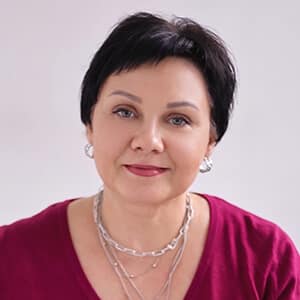
Tetiana Stepanenko

Your organization field and mission

The preparation and training of future primary school teachers.

Please tell us briefly about your role in the company / at your organization

I work as a Computer Science teacher at the Odesa Pedagogical Professional College. I help students master computer science and modern information technologies so they can effectively integrate them into children’s education.

Your interest in STEM

My passion for technical and computer sciences began early in my professional journey, over 30 years ago. As information technologies were first being widely introduced into education, I recognized their enormous potential. I was deeply inspired by how technology could transform teaching methods and unlock new opportunities for learning.

Early in my professional journey, my greatest inspiration was Victor Glushkov, thanks to his foundational contributions to cybernetics and computing. Currently, my role models are Ukrainian EdTech developers and specialists integrating artificial intelligence into education, because their efforts have a direct impact on the future.

Your studies

Strengths: Analytical thinking, perseverance, and a genuine passion for exact sciences and pedagogy.
Weaknesses: Limited access to modern computer equipment and specialized technical literature at the very beginning of my career.
Opportunities: The rapid development of the IT sector, which opened up completely new horizons for implementing innovations in the educational process.
Threats: The extremely fast obsolescence of technologies, which requires continuous self-learning and constant adaptation to new tools.

Do not be afraid to break the stereotype that computer science and IT are exclusively male fields. Believe in yourself, stay curious, and don’t be afraid of making mistakes, because that is exactly how we learn. The technology and education sectors need female empathy, creativity, and a diverse perspective on problems. Remember that your knowledge has the power to shape the future of next generations!

You at work

At our college, we actively implement the principles of inclusive education by teaching future teachers to use digital technologies to adapt educational materials for children with special educational needs (Inclusion and Equity). We also create an environment where girls are not afraid to delve into the study of STEM and computer sciences (Diversity). In terms of sustainable development, we minimize the use of paper, having actively transitioned to electronic learning resources and digital document management.

My greatest pride lies in my students and alumni. Throughout my teaching career, I have helped thousands of future primary school teachers overcome their hesitation toward computer technologies. Watching them successfully and creatively integrate modern digital tools into their classrooms—making learning engaging and contemporary for children—is my ultimate professional achievement. I am deeply proud to contribute to the modernization of foundational education in our country.

Your point of view

Technology provides women with independence, flexibility, and access to global knowledge. It allows them to work from anywhere in the world, create their own educational projects, and easily share experiences with international colleagues. Furthermore, mastering digital skills helps women break down barriers in traditionally male-dominated fields and step into leadership positions.

Do not be afraid to take the initiative and implement innovations. The fields of education and IT deeply need your empathy, creativity, and ability to connect with every student. Be prepared for lifelong learning, as technology never stands still, and remember that your work shapes the worldview of the next generation.

By 2030, I would like to see inclusive digital education become an absolute standard, accessible to every child regardless of their needs. I also hope for the complete elimination of gender biases regarding the teaching of exact sciences, and a full transition of educational institutions to eco-friendly, paperless workflows.

To finish with

Continuous self-development, a genuine love for children and students, professionalism, equality of opportunity, and openness to innovation.

My main challenge is keeping pace with the incredibly rapid development of artificial intelligence and emerging technologies to remain a relevant and effective mentor. At the same time, it is vital to maintain the right balance between implementing innovation and preserving classic pedagogical empathy.

By 2030, I hope to expand my impact by becoming a mentor for young educators on a broader scale. I plan to develop original methodologies and training courses on the ethical integration of artificial intelligence into primary education, sharing my decades of experience with colleagues across the country.

The current activity has been implemented in the framework of the Project: Code4Europe,
GA Number: 101158834. Official project website : 
https://codeweek.eu/ 
[ June 19, 2026 by ECWT 0 Comments ]

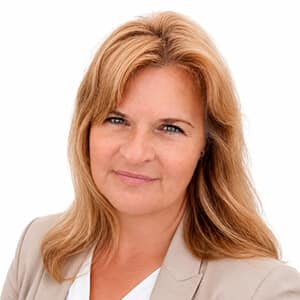
Olena Talianska

Your organization field and mission

The organization operates in the fields of school education, pedagogy, and digital literacy. Its primary focus is on developing modern educational content, implementing STEM methodologies, and integrating cutting-edge information technologies into the learning process for school students. The mission is to empower the next generation with essential digital skills and foster technological creativity. By providing high-quality educational resources, practical coding activities, and modern IT tools, the organization aims to inspire students to become active creators in the digital world and prepare them for future careers in technology.

Please tell us briefly about your role in the company / at your organization

As an IT Teacher and Educational Methodologist, my role focuses on designing and implementing modern computer science curricula and integrating STEM approaches into education. I specialize in developing interactive educational resources, teaching digital literacy, and guiding students through coding and creative digital projects. Additionally, I work on methodological support and materials that help teachers and parents effectively adapt to new digital educational standards.

Your interest in STEM

My interest in STEM was born during my university years while studying telecommunications engineering. Diving deep into complex technologies, network structures, and logic algorithms made me realize how fascinating and impactful tech fields are. Later, when I transitioned into teaching, this passion evolved into a desire to make digital literacy and STEM accessible, engaging, and exciting for younger generations.

My first role models were my university professors and engineers who showed me the power of analytical thinking and problem-solving. Today, my current role models are the innovative educators and global tech communities (like the Google Educator Groups) who passionately share open resources, breakdown digital barriers, and inspire students worldwide to create, code, and innovate.

Your studies

Strengths & Opportunities: My background in telecommunications engineering gave me a solid foundation in analytical thinking and data structure logic. It opened incredible opportunities to stay ahead of rapid digital transformations and adapt quickly to new educational technologies.
Weaknesses & Threats: The biggest challenge was the high technical complexity of the discipline and keeping up with the breakneck speed of technological changes. To overcome this, I had to continuously update my knowledge base, turning the threat of outdated information into a lifelong habit of continuous self-education and professional development.

Never let stereotypes or the perceived complexity of tech hold you back. Engineering and computer science are not just about lines of code—they are about creativity, problem-solving, and building the future. Be curious, don’t be afraid to make mistakes, and remember that your unique perspective is exactly what the digital world needs to innovate. Believe in your logical skills and find a supportive community to grow with.

You at work

Our initiatives strictly focus on providing equal access to high-quality digital and IT education for all students, ensuring gender balance and motivating girls to actively participate in STEM. We design modern learning resources that support differentiated learning and inclusion, making technology accessible to learners with diverse backgrounds and needs. Additionally, we actively advocate for digital sustainability by integrating eco-friendly digital habits and paperless, cloud-based tools into our daily educational processes.

I am most proud of creating comprehensive educational methodologies and interactive materials that have transformed the way school students perceive computer science and STEM disciplines. Seeing my students confidently master coding, vector graphics, and digital design tools—and watching them successfully apply these skills to creative, real-world projects—is my greatest reward. I am also proud of developing professional guidance that supports fellow educators and parents in navigating modern digital educational standards, creating a wider community dedicated to innovative learning.

Your point of view

Technology empowers women by dismantling geographical and traditional barriers, providing them with flexible remote work opportunities, and opening global platforms for continuous education. It gives women the analytical and creative tools to launch their own initiatives, lead innovative projects, and make their voices heard globally. Ultimately, digital literacy provides financial independence and the confidence to solve complex modern challenges on equal terms.

Never let stereotypes or the perceived complexity of tech hold you back. Engineering and computer science are not just about lines of code—they are about creativity, problem-solving, and building the future. Be curious, don’t be afraid to make mistakes, and remember that your unique perspective is exactly what the digital world needs to innovate. Believe in your logical skills and find a supportive community to grow with.

By 2030, I would like to see an education system and tech sector where gender gaps completely disappear, and STEM disciplines are fully inclusive and accessible to every child, regardless of their location or background. I hope to see eco-friendly, sustainable digital habits become standard practice in learning environments worldwide, and that young women naturally see technology as a friendly, accessible, and exciting path for their future self-realization.

To finish with

My core professional values are lifelong learning, innovation, inclusivity, and collaboration. I believe that digital education should be accessible to every student, and that teaching should always evolve alongside technological advancements. Empowering others and inspiring creativity in the digital space are what guide me every day.

My main future challenges include maintaining a perfect balance between technical expertise and human-centric pedagogy amidst the rapid rise of Artificial Intelligence (AI). Additionally, adapting complex, cutting-edge IT tools into simplified, highly effective educational methodologies for diverse classrooms remains an exciting ongoing challenge for me.

By 2030, I hope to evolve into a leading international expert in STEM curriculum development and digital methodology. I aim to create scalable, innovative educational content that bridges the gap between technology and pedagogy, and to actively collaborate with global educator networks to drive digital literacy on a wider scale.

The current activity has been implemented in the framework of the Project: Code4Europe,
GA Number: 101158834. Official project website : 
https://codeweek.eu/ 

[ June 19, 2026 by ECWT 0 Comments ]

Olha Gladik

Your organization field and mission

Our organization operates in the field of early childhood education. Its mission is to provide a safe, inclusive, and stimulating environment where children can develop their cognitive, social, emotional, and creative abilities. We strive to nurture curiosity, promote lifelong learning, and support every child in reaching their full potential through play-based and innovative educational practices.

Please tell us briefly about your role in the company / at your organization

I work as a Preschool Teacher, supporting the development and education of young children. My role includes planning and implementing educational activities, fostering creativity and critical thinking, promoting digital literacy through age-appropriate learning experiences, and creating a positive environment where every child feels valued, confident, and motivated to learn.

Your interest in STEM

My interest in STEM began while working with preschool children. I noticed how naturally children explore, experiment, ask questions, and solve problems. Through educational games, simple experiments, robotics activities, and digital tools, I discovered how STEM can make learning more engaging and meaningful. Since then, I have been continuously exploring innovative ways to introduce STEM concepts to young learners.

My first role models were my teachers, who inspired me through their dedication, kindness, and passion for education. Today, I am inspired by educators, innovators, and community leaders who promote digital skills, creativity, inclusion, and lifelong learning. Their work motivates me to continue developing professionally and to inspire children to explore the world with curiosity and confidence.

Your studies

One of my biggest challenges during my studies was balancing academic responsibilities with personal commitments. I also had to adapt to new educational methods and technologies. These challenges taught me resilience, time management, adaptability, and the importance of continuous learning. They helped me become more confident and prepared for my professional career.

Believe in your abilities and never stop learning. Education offers endless opportunities to make a positive impact on the lives of others. Be curious, embrace new technologies, develop your creativity, and do not be afraid of challenges. Every step you take in your educational journey can inspire future generations.

You at work

Our organization promotes diversity, equity, inclusion, and sustainability by creating a welcoming environment for all children regardless of their background or abilities. We support inclusive education, encourage equal participation in learning activities, collaborate closely with families, and teach children respect, empathy, and environmental responsibility through everyday educational practices.

I am most proud of helping children grow into confident, curious, and kind individuals. Seeing their progress, enthusiasm for learning, and personal development is my greatest achievement. I am also proud of introducing innovative educational activities and digital learning experiences that encourage creativity, critical thinking, and collaboration from an early age.

Your point of view

Technology empowers women by providing access to education, professional development, networking opportunities, and innovative career paths. It helps women share their knowledge, develop new skills, balance work and family responsibilities, and participate more actively in shaping the future of society. Digital literacy is a key tool for achieving equality and creating new opportunities for women and girls.

Choose this profession if you truly enjoy working with children and helping them grow. Be patient, creative, and open to continuous learning. Modern education is constantly evolving, and educators have the opportunity to inspire future generations, introduce innovative approaches, and make a meaningful difference in children’s lives every day.

By 2030, I would like every child to have equal access to high-quality education regardless of their background, abilities, or circumstances. I hope to see more inclusive learning environments, greater support for educators, wider access to digital tools, and stronger partnerships between schools, families, and communities. Diversity, equity, inclusion, and sustainability should be integrated into every aspect of education.

To finish with

My core values are kindness, respect, responsibility, inclusion, lifelong learning, and creativity. I believe that every child deserves support, encouragement, and equal opportunities to succeed. In my work, I strive to create a positive environment where children feel safe, valued, and inspired to explore their potential.

One of my future challenges is keeping pace with the rapid development of educational technologies and innovative teaching methods. I aim to continuously improve my digital skills, expand my knowledge of STEM education, and adapt to the changing needs of children and society. I also hope to contribute more actively to educational projects and professional communities.

By 2030, I hope to become a stronger leader in early childhood education, actively promoting innovative teaching practices, digital literacy, and STEM learning for young children. I would like to share my experience with other educators, participate in international educational initiatives, and continue creating meaningful learning opportunities that help children thrive in a rapidly changing world.

The current activity has been implemented in the framework of the Project: Code4Europe,
GA Number: 101158834. Official project website : 
https://codeweek.eu/