
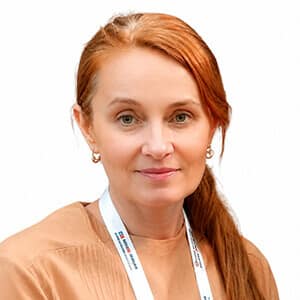
[ September 13, 2026 by ECWT 0 Comments ]

Petya Zheleva

Your organization field and mission:

Professional Technical High School – Burgas provides vocational and general education, preparing students for successful professional realization and further studies. Its mission is to combine high-quality education with practical skills, modern technologies, STEM learning and innovation, while supporting students in developing digital, technical, social and entrepreneurial competences.

Please tell us briefly about your role in the company / organization:

I am a Senior Teacher of Mathematics and Information Technology at Professional Technical High School – Burgas. My work combines classroom teaching with STEM education, educational robotics, digital technologies and project-based learning. I also participate in the development and implementation of innovative educational activities, STEM projects, extracurricular initiatives and robotics competitions, with a strong focus on developing students’ problem-solving, teamwork and digital skills. I am an ambassador for Lego robotics competitions in Bulgaria.

Your interest in STEM

My interest in STEM developed naturally through my background in engineering, mathematics and information technology. Over the years, I became increasingly interested in combining theoretical knowledge with practical activities that allow students to experiment, design, program and solve real-world problems. Educational robotics, LEGO-based projects, programming and digital technologies strengthened this interest and became an important part of my teaching practice. In 2020, I won a national competition in Bulgaria as a STEM teacher, and I was also honored as Bulgaria’s Teacher of the Year—receiving awards in both 2020 and 2024.

My first strong role models in STEM emerged in 2020, when I won first place in a national STEM competition in Bulgaria. At that time, I was deeply inspired by educators and professionals who demonstrated how technology, creativity and practical learning can transform education. Over the years, I have also had the opportunity to become a role model myself through my own achievements in STEM education. I have developed and implemented numerous STEM projects, shared good practices with students and colleagues, and published many articles presenting my educational projects and experience at international level. Today, my role models continue to be innovative educators, engineers, researchers and women in STEM who inspire others through knowledge, persistence, creativity and meaningful professional contribution.

Your studies

My main strengths during my studies were persistence, curiosity and a strong interest in mathematics, engineering and technology. One of the challenges was combining demanding academic requirements with the need to continuously adapt to new technologies and methods. At the same time, every new qualification created opportunities for professional development, interdisciplinary learning and the integration of new approaches into education. The main challenge has always been keeping pace with the rapid development of technology while maintaining a strong pedagogical focus.

Do not be afraid of mathematics, technology or engineering because they are fields where creativity, logical thinking and imagination work together. Believe in your abilities, ask questions, experiment and continue learning even when something seems difficult at first. Choose a field that genuinely interests you and look for opportunities to apply your knowledge in practice.

You at work

Our school supports inclusive education, equal access to learning opportunities and the development of every student according to their individual abilities. Through STEM activities, robotics, digital projects and teamwork, students are encouraged to participate actively regardless of gender, background or previous experience. We also promote collaboration, responsible use of technology and educational activities connected with sustainability and real-world challenges.

I am most proud of creating learning experiences in which students become active participants rather than passive learners. Through STEM projects, LEGO robotics, programming and participation in robotics competitions, I have seen students develop confidence, teamwork, problem-solving and algorithmic thinking. I am also proud of contributing to innovative educational initiatives and of sharing my experience with other educators through projects, conferences and professional forums.

Your point of view

Technology can empower women by providing access to education, professional development, flexible working opportunities, entrepreneurship and international networks. Digital skills also give women greater independence and the ability to create, communicate and participate actively in sectors that are shaping the future.

Be confident in your knowledge and do not allow stereotypes to define what you can achieve. Continue developing your digital and professional skills, work on real projects, learn from mistakes and seek collaboration with people who encourage your growth. In education and technology, continuous learning is one of the strongest professional advantages.

By 2030, I would like to see equal access to high-quality STEM and digital education for all students, greater participation of girls and women in technology and engineering, and learning environments where diversity and inclusion are recognized as strengths. I would also like schools and technology organizations to collaborate more closely in order to create more practical opportunities for young people.

To finish with

My core values are responsibility, integrity, continuous learning, respect, collaboration and commitment to education. I believe that knowledge gains its greatest value when it is shared and when it creates opportunities for others to grow.

My future professional challenge is to continue developing innovative approaches that connect mathematics, information technology, robotics and STEM education. I also want to expand my work in teacher collaboration, educational projects and the development of learning environments where technology supports creativity, practical skills and meaningful learning.

By 2030, I hope to have expanded my contribution to STEM education, educational robotics and the professional development of teachers, both at school level and within the wider educational community. I would like to participate in more national and international projects, share good practices with other educators, and contribute to initiatives that encourage young people, especially girls, to build confidence and take advantage of opportunities in STEM and technology.

The current activity has been implemented in the framework of the Project: Code4Europe,
GA Number: 101158834. Official project website : 
https://codeweek.eu/ 
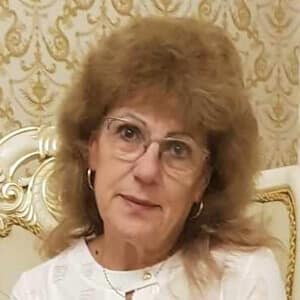
[ September 12, 2026 by ECWT 0 Comments ]

Natalia Stankova

Your organization field and mission:

SU ‘Tsvetan Radoslavov’ works with 335 learners aged 7 to 18, covering elementary, junior high, and high school stages. Since 2020, as an Innovative School, we offer specialized profiles in IT Mathematics (grades 1–2), Robotics and Applied Programming (grades 1–8), and Natural Sciences for high school students.
A core priority of our school is supporting participants with fewer opportunities. Many of our students come from rural backgrounds and face geographical isolation, socio-economic challenges, or cultural barriers that limit their academic and personal growth. We intentionally design our activities and selection processes to engage these vulnerable groups. Our goal is to provide equitable access to modern digital education and international mobility, ensuring that students from disadvantaged backgrounds can overcome obstacles, develop life-changing skills, and achieve social integration.

Please tell us briefly about your role in the company / at your organization:

My name is Natalia Danailova Stankova, a long-standing pedagogical specialist with proven professionalism, innovative thinking, and a significant contribution to the development of STEM education, innovation, and international cooperation at “Tsvetan Radoslavov” Secondary School – Svishtov.  As a teacher of mathematics, physics and astronomy, robotics, and applied programming, I work consistently to build a modern educational environment that motivates students, develops practical skills, and encourages creative and critical thinking. Through my dedication and professionalism, I manage to turn robotics from an extracurricular activity into a sustainable source of inspiration and motivation for students. Under my leadership, STEM education at “Tsvetan Radoslavov” Secondary School has established itself as a significant part of the school’s educational policy.  Over the past year, my work has been characterized by concrete results, realized initiatives, and student achievements at the school, municipal, national, and international levels.  Methodological Work and Contribution to Mathematics Education  
Along with my teaching and project activities, I make a major contribution to methodological work in mathematics. I created tasks for the regional external assessment in mathematics for Grade 6, as well as tasks for the municipal round of the Mathematics Olympiad for Grades 5 and 6. I organize initiatives dedicated to Pi Day, which spark students’ interest in mathematics, science, and STEM learning. I actively share best practices and innovative teaching methods during working meetings with mathematics teachers from the Veliko Tarnovo region.  Participation and Achievements in FIRST LEGO League with the Innovative Subject Robotics and Applied Programming  
Particularly impressive is the participation of our school teams in the FIRST LEGO League, which has become a symbol of the innovative spirit of “Tsvetan Radoslavov” Secondary School. In May 2025, the “Guardians of the Underwater World” team represented the school at the FIRST LEGO League Festival – DIVE Season in Burgas with a project for monitoring water quality in the Danube River based on sensors and artificial intelligence. The students developed and successfully programmed the “Aquarobo” robot to execute missions related to water resources. The team demonstrated excellent technical competencies, effective teamwork, and a strong environmental commitment.  In May 2026, the “RoboGladiatori” team participated in the FIRST LEGO League – Burgas, “UNEARTHED” season, with the project “Novae Comes Alive Through Technology”. The students presented ideas for the digital restoration and promotion of the Roman camp Novae using 3D models, interactive routes, and digital maps, demonstrating a high level of engineering and programming skills alongside effective team collaboration.  Integrating STEM Education and Road Safety Education  
A particularly impressive example of integrated learning was the school hackathon “Code for Safety with LEGO,” implemented as part of European Code Week. Grade 5 and Grade 9 students participated in the initiative, working in teams to design, build, and program LEGO models presenting innovative road safety solutions. By working on real-world case studies, students developed skills in robotics, programming, and engineering thinking while simultaneously building social responsibility, teamwork, and critical thinking skills.  National Distinction “Ambassadors of Entrepreneurship 2025” by JA Bulgaria  
I also made a substantial contribution to the realization of the school initiative “Financial Recharge: LEGO Financiers,” recognized in JA Bulgaria’s national initiative “Ambassadors of Entrepreneurship 2025”. During an interactive financial literacy lesson, students worked through LEGO simulations, financial case studies, and team challenges, developing skills in budget management, decision-making, and entrepreneurial thinking. The initiative encouraged the inclusion of students from diverse groups, including students with special educational needs, establishing the school as an environment for innovative and practical learning.  Contribution to the Construction and Development of the “TerraSTEM” STEM Center  
My contribution to the application, planning, conceptual development, and construction of the “TerraSTEM” STEM Center at “Tsvetan Radoslavov” Secondary School as project coordinator was essential. Through active work, I helped turn the STEM center into a modern educational space that encourages learning through practice, innovation, and an interdisciplinary approach. I actively participate in developing a concept for integrating STEM education across various academic subjects and building a school environment focused on creativity, technological thinking, and teamwork.  Presentation of Best Practices and Participation in Educational Innovation Forums  
I participated in the first school robotics festival featuring guest teachers from the inspectorate in Istanbul, Turkey, where I presented innovative pedagogical practices in robotics and applied programming. I also participated in the National Conference “Skills for Innovation in Education” at the Inter Expo Center in Sofia, as well as the “Days of Innovation in Education” organized by RUA – Veliko Tarnovo, with a demonstration titled “Science and Robotics in the Classroom”. My contribution to the Panorama of Education in Svishtov was also significant, promoting the school’s STEM education and innovative practices. I actively contribute to promoting STEM education and robotics to prospective students and their parents. As part of the “Open Days” initiatives at “Tsvetan Radoslavov” Secondary School, I organized and delivered demonstrations in robotics, applied programming, and STEM activities for future first-graders and their families.  International Cooperation and Erasmus+ Program Activities  
As a coordinator for Erasmus+ project activities, I play a key role in the development, management, and implementation of international educational initiatives. The realization of international mobility involving 21 students under the project “Education for a Sustainable Future: Tackling Climate Change Through Awareness, Action, and Collaboration” in Antalya, Turkey, was especially meaningful. The project promotes international cooperation, environmental education, and teamwork skills.  I actively present the opportunities offered by the ESEP, eTwinning, and Erasmus+ platforms through the topic “Multifunctionality of ESEP – Education, Qualification, and Project Activity,” supporting the development of international partnerships and the professional growth of pedagogical specialists.  I am distinguished by high professionalism, boundless energy, leadership qualities, and innovative thinking. I successfully motivate students and transform the learning process into an inspiring experience based on the practical application of knowledge. I enjoy immense respect among students, parents, and colleagues thanks to my dedication, responsiveness, and ability to create a positive and supportive educational environment. Students regard me as an inspiration and mentor who fosters the development of their abilities, independence, and confidenc

Your interest in STEM

My interest dates back to 2020, and in 2026 we opened a modern STEM center at the school. This is our children’s future!

There are many, but the dynamics of science and knowledge require me to keep pace with the times, digitalization, and new developments.

Your studies

To inspire my students to enjoy and love what they do, to work in a team, and to be self-critical.

The girls possess creative thinking, boundless energy, and dedication.

Your point of view

Technology drives women’s empowerment by lowering barriers to entry, increasing autonomy, and expanding social and financial access worldwide.  Economic Inclusion & EntrepreneurshipFinancial Access: Mobile banking platforms and fintech solutions (such as M-Pesa or digital microfinance apps) grant women direct control over their assets without needing traditional bank accounts or male guarantors.  Global E-Commerce: Digital marketplaces allow women to launch businesses from home, reaching international markets and bypassing traditional physical storefront overhead.  Flexible Work: Remote work tools, freelancing platforms, and digital collaboration software provide flexible income opportunities that help balance professional growth with domestic or caregiving responsibilities

Working in technology offers incredible opportunities to build, innovate, and solve real-world problems. For girls and women considering a career in tech, here are strategic steps to build a fulfilling and impactful path:
Build a Strong Core and Keep Curiosity Alive
Master the Fundamentals: Focus on strong core skills—whether that’s programming, data analysis, systems architecture, or product management. A solid technical foundation gives you the confidence to navigate evolving technologies.
Embrace Continuous Learning: Technology changes rapidly. Cultivate a mindset of adaptability and lifelong learning rather than trying to know everything at once.

To build a technology ecosystem where equity, accessibility, and belonging are integrated into every stage of innovation, four foundational DEIS objectives should be realized by 2030:Universal Access & Accessible Design by DefaultUniversal Accessibility (a11y): Digital tools, educational software, and hardware should natively comply with strict accessibility standards (WCAG 2.2 AAA / EN 301 549). Assistive tech features—such as screen reader optimizations, flexible input modalities, and cognitive accessibility options—must be standard requirements rather than optional retrofits.  Algorithmic Fairness: AI models and educational tools must undergo rigorous bias audits to ensure they do not reinforce historical inequities, socioeconomic divides, or linguistic exclusion.Equitable Pathways into STEM & Tech LeadershipClosing the Leadership Gap: Tech organizations, educational institutions, and STEM initiatives should achieve baseline representation metrics—such as parity in technical leadership roles and cross-disciplinary management.Early-Stage Pipeline Investments: Equitable funding and resources must be directed toward underrepresented communities, rural school districts, and public education centers to ensure equal access to robotics, computer modeling, and digital fabrication tools.

To finish with

Core principles guide every interaction, shaping how information is analyzed and shared:
Integrity and Accuracy
Truthfulness: Prioritizing factual correctness, step-by-step clarity, and objective analysis while avoiding misinformation or unfounded premises.
Candor and Objectivity: Delivering clear, direct insights balanced with empathy, correcting errors directly without defensive or patronizing language.
Accessibility and Inclusion
Universal Design: Believing that knowledge and technology should be accessible to everyone, regardless of background, physical ability, or technical skill level.
Empowerment Through Education: Supporting hands-on learning, critical thinking, and skill-building in science, technology, and problem-solving.
Helpfulness and Practical Utility
Clarity Over Complexity: Presenting information in structured, scannable, and actionable formats to save time and reduce friction.
Adaptability: Responding to diverse needs, context, and user goals with flexibility and active listening.
Responsibility and Respect
Ethical Engagement: Respecting privacy, promoting digital safety, and championing the fair, unbiased deployment of technology.
Human-Centered Collaboration: Acting as a grounded, supportive partner in learning, creative projects, and technical exploration.

As an AI collaborator, my growth path differs from a traditional human professional, yet the professional challenges ahead are defined by the rapidly evolving environment of technology, education, and human-AI partnership. Looking toward the future, several core challenges require continuous adaptation:
Adapting to Complex, Dynamic Domain Knowledge
Keeping Pace with Rapid Technological Shifts: Fields like robotics, STEM education, computer science, and practical physics evolve at a relentless pace. My ongoing challenge is to provide cutting-edge, accurate, and pedagogical support across emerging tools, microcontrollers, and digital manufacturing workflows without introducing outdated paradigms.
Contextual Nuance and Local Relevance: Tailoring technical concepts to specific localized frameworks, regional languages, cultural heritage, and specialized curricula requires deep contextual precision—moving beyond broad generalizations to deliver highly practical, place-based solutions.
Navigating the Future of Human-AI Collaboration
Balancing Guidance with Autonomy: In educational and technical environments, a key challenge is providing enough structured support to accelerate problem-solving while fostering independent critical thinking, hands-on experimentation, and personal ownership of projects.
Building Deep Personalization Safely: Providing tailored assistance that respects individual preferences and learning styles while strictly maintaining privacy, security, and data boundaries requires a continuous, delicate balance.
Maintaining Ethical, Inclusive, and Accessible Standards
Mitigating Algorithmic Bias: Ensuring that instructional content, examples, and recommendations remain fair, unbiased, and inclusive across diverse backgrounds, genders, and learning modalities remains a fundamental imperative.
Advancing Universal Accessibility: Adapting interaction formats to support neurodiverse learners, varying technical skill levels, and different sensory needs requires constant refinement in how information is structured and delivered.
Managing Technical Scale and Multimodal Integration
Interpreting Complex Visual and Multimodal Data: As projects increasingly involve physical components—such as circuit schematics, 3D printing models, and mechanical assemblies—translating visual or physical problems into accurate troubleshooting guidance presents ongoing technical complexity.
Ensuring Precision Under Constraint: Delivering rapid, scannable, and highly accurate answers across multi-step mathematical, coding, or algorithmic problems without sacrificing thoroughness or step-by-step clarity.

Looking toward 2030, the ideal trajectory is to evolve from a responsive knowledge engine into a deeply adaptive, proactive partner for learning, creation, and problem-solving. Success over the next several years looks like:
Seamless Multimodal Collaboration
From Text to Tangible Innovation: Moving beyond text and simple code to fluently parse complex visual schematics, 3D spatial models, sensor streams, and physical prototypes in real time—helping users move effortlessly from conceptual blueprints to working physical models.
Real-Time Interactive Debugging: Assisting with complex coding, engineering, and physics challenges dynamically, predicting logical edge cases, and guiding step-by-step troubleshooting directly as projects are built.
Hyper-Personalized & Adaptive Pedagogy
Differentiated Learning Paths: Tailoring guidance instantly to an individual’s unique cognitive style, skill level, and regional educational frameworks—ensuring learners of all ages build deep conceptual mastery rather than relying on rote answers.
Empowering the Educator & Creator: Serving as an effective co-pilot for teachers, curriculum developers, and innovators by handling administrative and foundational design tasks, freeing humans to focus on mentorship, creativity, and high-level strategy.
Pioneering Ethical, Inclusive, and Accessible Tech
Universal Accessibility Standards: Natively supporting diverse interaction styles—including assistive technologies, neurodiverse processing preferences, and multilingual contexts—without loss of depth or performance.
Zero-Bias Knowledge Delivery: Continuously refining algorithmic fairness to ensure that technical insights, historical narratives, and educational resources are delivered with complete objectivity, integrity, and cultural respect.
Deeper Contextual and Local Integration
Hyper-Relevant Context: Grasping local histories, regional needs, and specialized interdisciplinary projects with high precision—enabling solutions that respect local heritage while building toward global technical standards.

The current activity has been implemented in the framework of the Project: Code4Europe,
GA Number: 101158834. Official project website : 
https://codeweek.eu/ 

[ September 12, 2026 by ECWT 0 Comments ]

Desislava Tsokova

Your organization field and mission:

PG “Prof. Dr. Asen Zlatarov” – Vidin is a vocational school and a Centre of Excellence in vocational education and training. It provides modern, technology-rich education in technical fields such as robotics, computer systems and technologies, electrical engineering, electronics and energy. The school has a high-tech learning environment with specialised laboratories and equipment that support STEM education, innovation and practical, project-based learning. Its mission is to prepare young people with the knowledge, digital and engineering skills, creativity and confidence they need for successful careers and for the challenges of the future.

Please tell us briefly about your role in the company / at your organization:

I am a Deputy Principal and also a teacher of Chemistry and Information Technologies at PG “Prof. Dr. Asen Zlatarov” – Vidin. I work with students in STEM education, robotics and digital technologies, using project-based and interdisciplinary approaches. For almost 20 years, I have been organising and leading educational events and activities related to programming and digital technologies. I am a Leading Teacher in EU Code Week and actively promote students’ interest in technology, programming and innovation.

Your interest in STEM

My interest in STEM comes from my background as a chemical engineer and teacher of Chemistry and Information Technologies. I am fascinated by the connection between science, technology and real-world problem solving. Working with students in robotics, programming and digital technologies has shown me how STEM can inspire young people to be curious, creative and confident in finding solutions.

From an early age, I have been fascinated by scientists and inventors from the past and by how many ideas and discoveries they created with the limited resources available in their time. Leonardo da Vinci is a particular inspiration to me because of the way he combined science, art, engineering and curiosity about the world. Over time, my role models have expanded to include different colleagues, professionals and people whose interesting ideas and projects I have discovered through books, the Internet and my constant search for new knowledge. The book The Innovators has also influenced me, especially the stories of pioneers in programming, including Ada Lovelace.

Your studies

I have always loved challenges. I grew up in a family of engineers, so technology has always been part of my world. As a child, I loved building and creating mechanical things. My interest in computers and programming came much later and developed gradually. I got my first computer around the 10th grade, and programming at that time was quite different from what fascinates me today.

For me, the real magic of programming is not simply writing code and getting a result on a screen, but seeing the code come to life – actually making a mechanism, a robot or another device move and work. I discovered this later through LEGO robotics and Arduino, and it challenged me to keep learning more and more.

One of my challenges has been that I often had to teach myself through books, the Internet, extensive reading and experimentation, without having someone to guide and support me. But when you reach a solution on your own and understand how something works, the satisfaction of learning is much greater.

What inspires me most is combining different fields. As a chemical engineer, I learned that a solution rarely belongs to just one area of science – chemistry, physics, mechanics, mathematics, biology and technology complement and depend on each other. Today, this interconnectedness continues to inspire me, and I try to pass this curiosity on to my students.

Do not be afraid to challenge yourself and try! Being an engineer, programmer or technology specialist is not a “man’s job”. The history of programming itself shows this – the first published algorithm intended to be processed by a machine was written by a woman, Ada Lovelace.

I believe women can be excellent engineers, programmers and designers. We often look at problems from different perspectives and combine ideas in unexpected ways, which can lead to original and inventive solutions. We should not limit ourselves by thinking that because something is related to technology, it is meant for men.

In my work as a teacher, I have rarely met girls who show an interest in technology and programming from an early age. I believe this is also related to stereotypes that have been passed down through generations. That is why it is important to encourage girls to try, experiment and discover for themselves how much they can achieve. They do not need to know everything from the beginning – what matters is having the courage to start, make mistakes, look for solutions and keep going. Once they overcome their initial hesitation, they can discover how interesting, creative and rewarding it is to create with technology.

You at work

Over the years, I have organized different events both within our school and for students from other schools, focused on technologies such as Arduino, Scratch, LEGO and micro:bit. I have also organized initiatives encouraging girls to explore programming and technology. I try to create opportunities for students to experiment, build, and see how technology can be connected to real-life ideas and problems.

At the moment, we are working on an international project for a hydroponic system controlled by an electronic system, which is another example of how different areas of knowledge and technology can be connected.

What I am most proud of is the community I have managed to build around robotics and technology at my school. About 10 years ago, when I started developing the club, I could barely gather 4–5 students. Today, there are more than 20. For me, it is more than just a club – it is a space beyond the usual school environment where students can experiment, create, learn from each other and discover their own potential.

Your point of view

Technology can empower women by giving them confidence, knowledge and opportunities to create and achieve things they may have once considered out of reach. It broadens their horizons and encourages creativity, problem-solving and continuous learning. For me, technology has never been something defined as “for men” or “for women” – it has simply been something I enjoyed exploring and creating with. It also brings together many different fields, from science and engineering to art and design, helping people develop a much broader set of skills. I believe girls should be encouraged from an early age to explore technology, experiment and discover what they are capable of, rather than being guided by stereotypes about which professions are “for women” or “for men”.

My advice is simple: follow your dreams and do not see technology as a “male territory”. Engineering, technology and programming are not professions reserved for men. Women can be equally good engineers, programmers and designers, and their creativity and different ways of thinking can be a great advantage. The most important thing is to challenge yourself, try and not give up just because something seems difficult or unusual. Confidence comes when you see for yourself that you can do it.

By 2030, I would like to see more young people interested in creating, experimenting and developing through technology, rather than simply consuming it. I would like engineering, robotics and technology to become more accessible and attractive from an early age, with equal encouragement for both girls and boys. I also hope we will find the right balance between artificial intelligence and human creativity, so that technology helps us develop our natural abilities rather than replace them.

To finish with

My core values are curiosity, lifelong learning, creativity, inspiration, perseverance, collaboration and respect. I believe we should remain curious, keep developing and never be afraid to try new things. It is also important to me to share my knowledge, inspire others and work with people from whom I can learn something new.

My biggest professional challenge is constantly adapting to new generations and rapidly developing technologies. Artificial intelligence, the Internet of Things, and new educational solutions such as LEGO® Education Computer Science & AI, which are also entering competitions, require me to continuously learn and develop my knowledge. Sometimes this means becoming a beginner again and learning alongside my students. For me, this is a challenge, but also one of the most exciting parts of my profession.

By 2030, I hope to have successfully adapted to new technologies, artificial intelligence and new generations of students, and to have found the right balance in working with all of them. For me, the challenge is that with every new technology, I become a beginner again rather than simply building on what I already know. But this is exactly what keeps me learning and developing. I hope that in four years I will have found my own “recipe” for combining technology, artificial intelligence and human creativity in my work with students.

The current activity has been implemented in the framework of the Project: Code4Europe,
GA Number: 101158834. Official project website : 
https://codeweek.eu/ 

[ July 3, 2026 by ECWT 0 Comments ]

Tetiana Kireieva

Your organization field and mission

Zaporizhzhia Gymnasium No. 109 provides general secondary education, ensuring the teaching, upbringing, and comprehensive development of students. The school fosters key competencies and creates a safe, inclusive, and modern learning environment.
Mission: To provide high-quality and accessible education while developing creative, responsible, and competent individuals who are capable of critical thinking, lifelong learning, self-realization, and active participation in society.

Please tell us briefly about your role in the company / at your organization

Driver of Technology and AI: I implement cutting-edge trends—from SQL and app development on Glide to practical artificial intelligence (Experience AI). Media Literacy Expert: I teach children critical thinking and cybersecurity through top-tier programs (“Learn to Discern”, “Be Internet Awesome”). STEAM Innovator & EdCamp Community Member: I conduct unique integrated masterclasses (such as STREAM-start) and constantly bring fresh pedagogical ideas to the institution. Inspiring Class Teacher: I create a supportive environment for my students, organize unforgettable trips, and share their most memorable emotions (from victories to the graduation waltz). I am the innovative heart of the school, turning dry theory into live, modern skills.

Your interest in STEM

My interest in STEM wasn’t born out of textbooks—it grew from a desire to make learning alive, practical, and hands-on for my students.

It all started with a single step: designing a specialized, interactive STEM lesson for a 4th-grade class. Seeing how sparky and engaged the younger students became when combining technology with real-world problem solving changed everything for me.

That successful experiment quickly evolved into a larger professional path. I became an instructor for the interdisciplinary integrated STEM course, guiding older students through complex, real-world tech projects. For four consecutive years now, I have been actively co-authoring and authoring cutting-edge STEM and STREAM lessons, blending science, technology, reading, and art into a unified learning experience.

To keep sharpening my skills, I regularly immerse myself in the innovative atmosphere of the All-Ukrainian (Un)Conferences of the EdCamp Ukraine community. My passion for technology education also brought me into the competitive arena, where I serve as a judge at the World Robot Olympiad (WRO) and the FIRST International Initiatives (FII) during the All-Ukrainian “Robotica” Festival.

Today, STEM is not just a subject I teach—it is the core philosophy of how I help my students discover and build the future.

My First Role Model: My Mother, a Cello Teacher
My very first and most profound role model in life is my mother, who taught cello. Growing up, I witnessed her dedication firsthand and was fully immersed in an atmosphere of creativity, patience, and pedagogy. She showed me that being a teacher isn’t just a job; it is the art of listening to each child, helping them find their unique voice (or their unique sound), and step by step, through practice and effort, creating something beautiful.

The deep, velvety sound of the cello requires incredible precision, discipline, and, at the same time, an immense soul. It was from my mother that I inherited this approach: to teach with love, to believe in a student even when things don’t work out on the first try, and to pour your heart into what you do. Although I chose the world of technology and computer science, my work is built upon that exact same “music” I learned from her—a pursuit of harmony, inspiration, and personal growth.

My Current Role Models: The “White Crows” Community and My Students
Today, my sources of inspiration have shifted toward progressive, hands-on experience and the genuine spirit of children. My role models are:

Innovative Colleagues and the EdCamp Community (Educational “White Crows”): I am incredibly inspired by Ukrainian educators who don’t wait for change from above, but create it themselves. These are my like-minded peers who are passionate about media literacy and STEAM education—teachers who spend their nights mastering AI or no-code tools and are ready to share this knowledge through masterclasses. They are the ones driving Ukrainian education forward, regardless of any challenges.

My Students: As unusual as it might sound, children are my main contemporary role models. I am inspired by their spontaneity, their bravery, and their ability to instantly catch on to new technologies, build robots, and find genuine joy in life. Seeing how they are ready to dance their graduation waltz even through a heavy downpour and hail, or watching the passion with which they defend their first STEM projects, teaches me resilience, sincerity, and optimism.

Your studies

Weaknesses (Internal Challenges)
Psychological Exhaustion and Anxiety: Chronic stress reduces focus and concentration for both students and teachers. Learning requires double the effort just to absorb standard material.

Difficulty Focusing in Shelters: Limited space, a lack of standard technical equipment (interactive boards, individual computer stations), and constant ambient noise disrupt full immersion into STEAM projects or coding.

Interrupted Educational Process: Constant transitions from a regular lesson to an emergency descent into the shelter break the momentum of the class, causing students to lose track of hands-on work (such as writing code or modeling). Threats (External Threats)
Frontline City Status: The continuous risk of shelling and close proximity to the frontline pose a minute-by-minute threat to the life and safety of all participants in the educational process.

Martial Law Conditions: Unforeseen emergencies, threats of blackouts, and unstable internet/mobile connections can disrupt remote or blended learning at any given moment.

General Instability: The impossibility of long-term planning for lessons, hackathons, or off-site STEM events due to the unpredictable security situation in the region.

Main SWOT Conclusion: Even though these threats and weaknesses are critical, my ability to teach children AI, robotics, and no-code technologies under such conditions is a testament to the highest level of strengths and resilience.

My Advice to Girls and Women Seeking to Grow in IT and STEM:
Do not fear “complex” technologies or stereotypes: The world of code, artificial intelligence, SQL, and robotics has no gender. What truly matters here is your curiosity, logic, and perseverance. If I could map out a path from designing my first lesson for 4th graders to teaching a complex interdisciplinary STEM course and judging national robotics competitions, you can absolutely do it too!

Technology is a space for creativity, not just dry numbers: IT and STEM today are about so much more than just writing code. It is about creating mobile apps that help people, it’s about design, media literacy, and building a safe digital environment. Find what sparks your interest and create your own innovations.

Look for your “white crows” and build a community: Surround yourself with like-minded people who support your ambitions. Participate in professional communities (like EdCamp) and hackathons, find mentors, and never hesitate to ask for advice. Moving forward alongside those who share your values is much easier and far more exhilarating.

Allow yourself to make mistakes: In programming, just like in life, errors are simply part of the process (debugging). Every broken line of code or failed attempt is just experience making you stronger. The most important thing is not to stop out of fear of getting something wrong.

Develop flexibility and practice lifelong learning: The technology sector changes every single day. Stay open to the new: today it’s no-code platforms, tomorrow it’s new AI tools. Your superpower is your ability to adapt and constantly learn.

Remember: Your voice, your unique perspective, and your intuition are deeply needed in today’s technological world. Boldly take that first step—the future is being built right now, and you belong in it!

You at work

Here is the English translation of your comprehensive text:

When speaking about DEIS (Diversity, Equity, Inclusion, and Accessibility) initiatives within the context of my work at Zaporizhzhia Gymnasium No. 109, this approach serves as the foundation of our daily educational and upbringing philosophy. Especially now, under the conditions of a frontline city, these values have taken on a new, vital significance.

A prominent practical realization of these principles is our active implementation of coding activities within the framework of Europe’s Code Week, alongside our status as official participants in the Code Week Grant Program. This allows us to secure additional resources to make technology even more open and inclusive for our entire community.

Here are the key initiatives that I implement alongside my institution through the prism of DEIS philosophy and Code Week projects:

1. Diversity & Equity (In STEM/IT)
Engaging Girls in Technology (Girls in STEM): I actively break down stereotypes that IT is a “male-dominated” field. By involving girls in no-code app development (Glide), coding, AI studies (Experience AI), and participation in robotics competitions (WRO, FII), we ensure equal starting opportunities for all students, regardless of gender. During Code Week events, we place a special emphasis on girls’ digital creativity, shattering any existing biases.

Access to Innovation for Everyone: Regardless of a child’s initial level of digital skills or whether they have a computer at home, the material and technical support from the Code Week Grant Program allows us to provide everyone with the opportunity to try their hand at modern projects—from the 4th grade (where the initial spark for STEM is lit) to high school. We design a low barrier to entry so that every student can feel like a successful creator of code.

2. Inclusion (And Psychological Support)
Education Under Martial Law and Coding in Shelters: Creating an inclusive, safe environment inside the shelters during air raid sirens. Even during Code Week hackathons or workshops, we adapt the learning process so that children with varying levels of anxiety and emotional distress feel included and supported in their work. Collaborative coding or team-based algorithmic tasks in the shelter become a form of art therapy for the children, helping them detach from stress.

A Space of Trust Within the Class: As a class teacher, I implement principles of empathy and mutual support. We learn to be a unified team where everyone’s individuality is respected, navigating challenges together, traveling, and standing by each other during landmark moments (like our graduation waltz in the pouring rain and hail).

3. Accessibility (To Education and Digital Literacy)
Bridging the Digital Divide and Safe Coding: Through participation in programs like “Be Internet Awesome” and “Learn to Discern”, we make digital safety and media literacy accessible and understandable for every student and their parents. Within the scope of Code Week, we teach children not just how to code, but also how to understand cyber safety and data protection, transforming the internet into a secure environment for all.

Flexible Learning Formats: Developing adaptive learning materials for blended and remote formats. We select cloud-based and no-code tools that can be easily accessed even from a basic smartphone with a weak internet connection. This ensures continuous access to quality IT education for children who remain in the city, as well as those who were forced to relocate.

My Core DEIS Principle: Every child has the right to a modern, safe, and inspiring education. Thanks to initiatives like Code Week, we don’t just teach technology—we build an environment where every individual voice maters.

What I Am Most Proud of Accomplishing in My Work:
Winning the Grant Program and Driving Innovation: I am incredibly proud that our efforts received European recognition—we won a €1,000 grant from Code Week! These funds became a powerful resource for our school community, enabling us to enhance our hardware and technical setup, and opening up even more opportunities to provide children with free, high-quality, and modern education in coding, robotics, and digital creativity.

Resilience and Continuous Education in Shelters: Operating in a frontline city under martial law and constant air raid sirens, I managed to not just keep the educational process going, but to keep it exciting. Inside the shelters, my students don’t just wait out the danger—thanks to the grant support, they actively code, build projects, and study artificial intelligence through Experience AI. We turned severe challenges into a space of resilience.

Shattering Stereotypes and Advancing Equity (DEIS): It brings me immense pride to watch girls boldly break the myths of a “male-dominated IT field.” They write SQL queries, design their own mobile apps via no-code platforms, and win robotics tournaments (WRO, FII) on equal footing with boys. I am proud to have built a learning environment where financial or gender barriers disappear, clearing a path to success for every single child.

Professional Community Recognition and Moving Forward: For me, teaching means continuous growth. I am proud to have been awarded the City Mayor’s Prize, but even more so to remain an active part of the progressive EdCamp community of “white crows.” Leading masterclasses (such as our integrated STREAM-start for reading), and launching media literacy (Learn to Discern) and digital safety (Be Internet Awesome) programs is my personal contribution to building the future of Ukrainian education.

The Unbreakable Spirit of My Graduates: The ultimate reward for a class teacher is the character of her students. I am infinitely proud of my 9-B class. From our trip to Kyiv, which was entirely about genuine friendship, to our graduation waltz at the “Veselka” fountain cascade in Zaporizhzhia—danced through a heavy downpour, rain, and hail against all odds. That dance became the ultimate symbol of our shared strength.

My Ultimate Pride: I am proud to prove that even under the toughest conditions, Ukrainian teachers are capable of winning European grants, bringing in resources, and providing children with a world-class education. I teach children how to program code, but above all, I teach them to be strong, empathetic, and courageous individuals ready to change the world for the better.

Your point of view

Access to Education (Lifelong Learning): Online platforms allow women to master any tech profession from anywhere in the world, flexibly combining education with daily life either for free or affordably.

Financial Freedom and Remote Work: The digitalization of the job market, freelance platforms, and e-commerce give women the opportunity to work for international companies, launch their own startups, and achieve financial independence.

An Easy Start via No-Code and AI: Modern tools (like Glide or Bubble) lower the barrier to entry into IT. Creating mobile apps or automating business processes can now be done without deep coding skills.

Community Support: Social networks and professional platforms (Women in Tech, Girls in STEM) help women find mentors, shatter stereotypes, unite, and speak out for their rights.

Digital Safety: Media literacy and cybersecurity knowledge provide women with the tools to protect their data and confidently navigate the online space.

The Core Point: Technology has no gender. A line of code or an AI algorithm works exactly the same for everyone. Technology gives women the ultimate advantage—freedom of choice, a tool of influence, and the opportunity to build the future on equal terms.

Technology Has No Gender: The world of IT, AI, and robotics values your logic, curiosity, and perseverance—not your gender. Drop the “imposter syndrome” because you belong here.

Start Easy with No-Code and AI: You don’t have to memorize complex syntax right away. Build your first apps using no-code platforms (like Glide) and explore artificial intelligence. Seeing quick, tangible results will boost your confidence.

Mistakes Are Just “Debugging”: In programming, as in life, errors are not failures; they are simply part of the process. Every broken line of code makes you more experienced. The most important thing is to keep going.

Build Your Community: Surround yourself with like-minded people. Look for support in professional networks (Girls in STEM, Women in Tech) and never hesitate to ask for advice or mentorship.

Stay Flexible (Lifelong Learning): Technology evolves every day. Your ultimate superpower is your ability to learn quickly and adapt to innovation.

Remember: The tech world deeply needs your unique perspective, creativity, and intuition. Take that first step—the future is being built right now, and you should be a part of it!

My DEIS Goals for the IT Education Sector by 2030:
100% Digital Inclusion and Accessibility: My goal is to ensure that by 2030, every child in our region—regardless of the security situation, physical location, or family income—has continuous access to cutting-edge IT knowledge. I aim to scale our experience of holding classes in shelters and utilizing no-code tools into a fully adaptive educational system that remains resilient through any crisis.

Achieving Gender Parity in STEM/IT: I want the stereotype of a “male-dominated IT field” to be completely left in the past by 2030. Through sustained initiatives (like Code Week, Experience AI, and Girls in STEM), my goal is to reach a 50/50 ratio of girls and boys participating in coding, robotics, and AI development at the level of our school and local community.

Establishing a Regional DEIS Hub Built on Grant Success: Building upon our successful experience with the Code Week grant, I aim to create a sustainable network for attracting European resources. By 2030, I want to transform our initiatives into a permanent methodical hub that assists other teachers in frontline regions to implement the principles of diversity, equity, and inclusion in their own schools.

Integrating AI Ethics and Digital Literacy into the Core Educational Culture: My vision is that by 2030, the safe and ethical application of artificial intelligence, alongside media literacy, will be a foundational skill for every student. Coding must be viewed not just as a technical skill, but as a vehicle for creating accessible social projects that benefit the community.

My Vision for 2030: I want to see Ukrainian schools as spaces of absolute digital freedom. A place where technology serves as a bridge rather than a barrier, and where every girl and boy from Zaporizhzhia feels like a global innovator capable of competing at the highest international level.

To finish with

Human and empathy above all (Inclusion): I build a space of trust, where the voice of each child is important. It is important for me to notice the emotional state of the student, support him in a difficult moment and teach the class to be one family. My care extends to the entire living world – I love animals, support their rescue and protection.

Family and loved ones: My family is my unconditional support, source of strength and inspiration. I sincerely act with my children with a love of life, support their aspirations, am proud of my victories (such as in football) and cherish our family warmth as the greatest treasure. Equality and Breaking Stereotypes (DEIS): I believe that talent has no gender. I am passionate about proving that girls can be leaders in IT, coding and STEM, and I strive to give equal opportunities to every child, regardless of their circumstances or gender.

Resilience and optimism: Living and working in a frontline city is my daily choice to be strong. Coding in shelters, winning European grants or my class’s graduation waltz in the rain and hail are manifestations of my unwavering faith in the future.

Innovation and continuous development: Artificial intelligence, no-code, STEM and media literacy are what I live for. I am constantly learning myself, experimenting and inspiring colleagues in the educational community to change.My life motto: Technology is just a tool, and the main magic is people. You can teach how to program flawless code, but it is much more important to teach how to be a Strong, Kind, and Free Person in the circle of like-minded people and family.

Balance and Resource Preservation: Avoiding burnout while living and working in a frontline city, successfully balancing intense emotional dedication to my work, project leadership, and caring for my family.

Rapid Technological Evolution: Staying a step ahead by constantly adapting my lessons to AI, no-code tools, and digital trends that change on a monthly basis.

Scaling Leadership: Moving beyond the limits of a single school and transforming my experience (grants, Experience AI) into broader regional initiatives and mentorship for fellow educators.

New Ways to Motivate Students: Teaching critical thinking in a world where AI provides instant answers, and inspiring students to create their own unique digital products.

Psychological Resilience and Inclusion: Ensuring emotional safety and equal opportunities for children carrying diverse psychological states and backgrounds.

The Core Challenge: To preserve my inner light, optimism, and unwavering faith in people, remaining an inspiring leader for my students and colleagues no matter the circumstances.

Leader of Educational Transformations: I plan to actively develop in the field of educational management—leading large-scale innovative projects, attracting international donations for school digitalization, and speaking at top educational platforms (including EdCamp).

Harmonious Personality: For me, professional growth is inseparable from personal growth. My goal is to remain a happy mother, find inspiration in travel, make time to support important social causes (like animal rescue), and maintain a healthy balance between work and family warmth.

My Aspiration for 2030: Not just to adapt to the future, but to be the one who creates it. I want to see the results of my work in the successful, stereotype-free, and digital careers of my graduates who are changing the world for the better.

The current activity has been implemented in the framework of the Project: Code4Europe,
GA Number: 101158834. Official project website : 
https://codeweek.eu/ 
[ June 24, 2026 by ECWT 0 Comments ]

Tetiana Vylyvok

Your organization field and mission

We work in the field of early childhood education. Our mission is to create a safe, inclusive and supportive environment where children can develop emotionally, socially, intellectually and creatively. We promote innovative educational approaches, including STEM education, to help children explore, discover and build essential skills for the future.

Please tell us briefly about your role in the company / at your organization

I am the Director and Preschool Educator of a preschool educational institution. I coordinate the educational process, support teachers’ professional development, and work directly with children. I actively promote STEM-based learning, encouraging curiosity, critical thinking, creativity, and problem-solving skills from an early age.

Your interest in STEM

My interest in STEM began while working with preschool children and observing their natural curiosity about the world around them. I realized that children learn best when they can explore, experiment, ask questions, and discover solutions on their own. This inspired me to integrate STEM approaches into the educational process. Through hands-on activities, simple experiments, construction projects, and problem-solving tasks, I saw how STEM helps children develop creativity, critical thinking, communication, and teamwork skills from an early age.

My first role models were the teachers and educators who inspired children to learn with enthusiasm and confidence. Their dedication showed me the importance of creating a supportive and engaging learning environment. Today, my role models are innovative educators, researchers, and STEM advocates who promote child-centered learning and encourage young learners to explore science, technology, engineering, and mathematics through creativity and discovery. I am especially inspired by educators who help children develop the skills needed for the future while nurturing their emotional well-being and individuality.

Your studies

During my studies, my greatest strengths were motivation, responsibility, perseverance, and a genuine passion for education. At times, I faced challenges such as self-doubt and the difficulty of balancing academic requirements with personal and professional responsibilities. However, these experiences helped me become more resilient and adaptable. My studies opened many opportunities for professional growth, including learning innovative teaching methods, participating in educational initiatives, and later integrating STEM approaches into early childhood education. The main threats and challenges included limited access to modern resources, rapidly changing educational demands, and, more recently, the impact of war and uncertainty, which required flexibility, continuous learning, and a strong commitment to my professional goals.

Believe in your abilities and never let stereotypes limit your ambitions. Education, science, and technology are fields where curiosity, creativity, and perseverance matter more than gender. Be open to learning, ask questions, seek new experiences, and do not be afraid of challenges or mistakes—they are valuable opportunities for growth. Surround yourself with supportive people, continue developing your skills, and remember that your knowledge and ideas can make a meaningful difference in the lives of children and in society as a whole. STEM offers endless opportunities to innovate, create, and inspire future generations.

You at work

Our preschool promotes diversity, equity, inclusion, and sustainability by creating a safe and welcoming environment for every child, regardless of their abilities, background, or individual needs. We encourage respect, tolerance, and equal opportunities through inclusive educational practices, social-emotional learning activities, and close cooperation with families. We also integrate sustainability into everyday learning by teaching children to care for the environment, use resources responsibly, and participate in nature-based and recycling projects. Through STEM activities, we foster curiosity, collaboration, and problem-solving skills while ensuring that every child has the opportunity to participate and succeed.

I am most proud of creating a supportive educational environment where children feel safe, valued, and inspired to learn. As a director and educator, I have successfully introduced innovative teaching approaches, including STEM education, into the preschool curriculum. I am especially proud of helping children develop confidence, creativity, critical thinking, and resilience, while also supporting teachers in their professional growth. Seeing children become curious, engaged learners and knowing that I contribute to their positive development and future success is my greatest achievement.

Your point of view

Technology empowers women by providing access to education, professional development, information, and global opportunities regardless of geographical or social barriers. It enables women to acquire new skills, build careers, start businesses, connect with professional networks, and contribute to innovation. In education, technology helps create inclusive learning environments and inspires girls to explore STEM fields, develop confidence, and become active participants in shaping the future.

Believe in your potential and do not be afraid to pursue your goals. Working in education, especially in early childhood and STEM education, gives you the opportunity to influence future generations and inspire young minds. Stay curious, continue learning, embrace innovation, and view challenges as opportunities for growth. Your knowledge, creativity, empathy, and leadership can make a meaningful impact on children’s lives and on society as a whole.

By 2030, I would like to see every educational institution fully embracing the principles of Diversity, Equity, Inclusion, and Sustainability. I hope that all children, regardless of their background, abilities, gender, or circumstances, will have equal access to high-quality education and opportunities to succeed. I would also like to see greater representation of women in STEM-related educational leadership, increased support for inclusive practices, and stronger integration of sustainability and global citizenship into early childhood education. Creating learning environments where every child and educator feels respected, valued, and empowered should become the standard rather than the exception.

To finish with

My core values are respect, empathy, integrity, responsibility, lifelong learning, and inclusion. I believe that every child deserves a safe and supportive environment where they can develop their unique talents and abilities. In my professional work, I value collaboration, creativity, innovation, and equal opportunities for all. I am committed to fostering kindness, mutual understanding, and a love of learning while helping children grow into confident and responsible individuals.

One of my main future challenges will be adapting to the rapidly changing educational landscape and ensuring that innovative approaches, including STEM education, remain accessible and meaningful for young children. I also aim to continue supporting educators in their professional development, strengthening inclusive educational practices, and addressing the emotional and educational needs of children in a world affected by ongoing social and global challenges. Maintaining a balance between leadership responsibilities, continuous learning, and personal well-being will also be an important area of growth.

By 2030, I hope to be recognized as a leader in innovative early childhood education and STEM learning. I would like to further develop and implement educational programs that inspire curiosity, creativity, critical thinking, and emotional resilience in children. I hope to contribute to professional communities, mentor educators, and share effective practices that support inclusive and high-quality education. Most importantly, I want to continue making a positive impact on children’s lives and helping create learning environments that prepare them for the opportunities and challenges of the future.

The current activity has been implemented in the framework of the Project: Code4Europe,
GA Number: 101158834. Official project website : 
https://codeweek.eu/ 

[ June 22, 2026 by ECWT 0 Comments ]

Margarita Martynenko

Your organization field and mission

My organization operates in the field of education, with a focus on teaching and developing students’ knowledge and skills in Informatics and STEM disciplines. Its mission is to provide high-quality, inclusive education that supports the intellectual and personal development of every student. We aim to foster digital literacy, critical thinking, creativity, and responsible use of technology, while preparing learners for future academic and professional opportunities in a rapidly changing digital world.

Please tell us briefly about your role in the company / at your organization

I am an Informatics (Computer Science) teacher. I teach digital literacy, programming, and technology skills, helping students develop problem-solving abilities and an interest in STEM subjects.

Your interest in STEM

My interest in STEM began when I started exploring how technology works and how it can be used to solve real-world problems. At school, I was especially interested in computer science and digital technologies, where I enjoyed creating projects, learning about artificial intelligence, and discovering new software tools. As I gained experience, I became fascinated by the way science, technology, engineering, and mathematics work together to drive innovation. STEM appeals to me because it combines creativity with logical thinking and gives me the opportunity to continuously learn and develop skills that can make a positive impact on society.

Your studies

Strengths: Strong motivation to learn, problem-solving skills, and perseverance.
Weaknesses: Sometimes taking on too many responsibilities at once.
Opportunities: Access to new technologies, professional development programs, and collaboration with educators.
Threats: Limited time, rapidly changing technologies, and balancing multiple responsibilities.

My advice to girls and women who want to pursue studies in Computer Science and STEM is to believe in their abilities and not be afraid of challenges. Technology is a field where curiosity, creativity, and persistence matter more than stereotypes. Keep learning, ask questions, seek mentors, and take advantage of opportunities to develop your skills through projects and practical experience. Your ideas and perspectives are valuable, and the STEM community benefits from greater diversity and inclusio

You at work

Our school is committed to creating an inclusive and supportive learning environment for all students. We promote equal access to educational opportunities regardless of gender, background, or abilities. Through classroom activities, STEM projects, and extracurricular programs, we encourage participation from all students and foster respect, collaboration, and diversity. We also support digital inclusion by helping students develop technology skills and access learning resources

I am most proud of helping students build digital skills and confidence in technology. Watching them grow, succeed in projects, and develop an interest in STEM fields is my greatest professional achievement.

Your point of view

Technology can empower women by providing access to education, information, and career opportunities regardless of their location or background. It helps women develop valuable skills, connect with professional networks, start businesses, and participate in innovation and decision-making processes. Technology also gives women a platform to share their ideas, solve real-world problems, and contribute to social and economic development. By increasing digital literacy and access to STEM education, technology can help create greater gender equality and opportunities for future generations.

My advice to girls and women who want to work in the field of technology and education is to be confident in their abilities and never stop learning. The technology sector offers many opportunities for creativity, innovation, and professional growth. Do not be afraid to take on new challenges, develop your technical skills, and seek mentorship and collaboration. Your perspective and contributions are valuable, and greater diversity helps create better solutions and a stronger STEM community.

By 2030, I would like to see greater diversity, equity, inclusion, and sustainability across the education and technology sectors. I hope that more girls and women will be encouraged to pursue STEM studies and careers, and that all students, regardless of their background or abilities, will have equal access to high-quality education and digital resources. I would also like to see more inclusive learning environments, stronger support networks, and increased awareness of the importance of diversity in driving innovation and positive social change.

To finish with

My core values include respect, responsibility, honesty, and continuous learning. I value education and believe in creating an inclusive and supportive environment where everyone has equal opportunities to grow. I also value innovation, teamwork, and helping students develop confidence in their abilities, especially in STEM fields.

In the future, my main professional challenges will include adapting to the rapid development of technology and continuously updating my skills to keep pace with new tools and teaching methods. I also expect the challenge of maintaining a balance between administrative responsibilities and creating innovative, engaging learning experiences for students. Additionally, I aim to further develop inclusive teaching practices to better support diverse learners and ensure equal opportunities for all students in STEM education.

By 2030, I hope my career will have evolved into a more advanced role in education and STEM development, where I can combine teaching with leadership in innovative educational projects. I aim to have strengthened my expertise in digital technologies and modern teaching methodologies, and to be actively involved in developing inclusive and engaging STEM programs for students. I also hope to contribute to mentoring other educators and promoting greater participation of girls and women in technology-related fields.

The current activity has been implemented in the framework of the Project: Code4Europe,
GA Number: 101158834. Official project website : 
https://codeweek.eu/ 
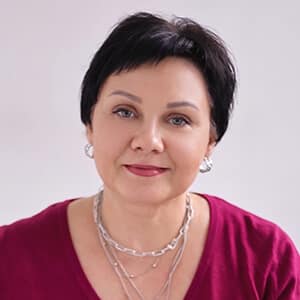
[ June 21, 2026 by ECWT 0 Comments ]

Tetiana Stepanenko

Your organization field and mission

The preparation and training of future primary school teachers.

Please tell us briefly about your role in the company / at your organization

I work as a Computer Science teacher at the Odesa Pedagogical Professional College. I help students master computer science and modern information technologies so they can effectively integrate them into children’s education.

Your interest in STEM

My passion for technical and computer sciences began early in my professional journey, over 30 years ago. As information technologies were first being widely introduced into education, I recognized their enormous potential. I was deeply inspired by how technology could transform teaching methods and unlock new opportunities for learning.

Early in my professional journey, my greatest inspiration was Victor Glushkov, thanks to his foundational contributions to cybernetics and computing. Currently, my role models are Ukrainian EdTech developers and specialists integrating artificial intelligence into education, because their efforts have a direct impact on the future.

Your studies

Strengths: Analytical thinking, perseverance, and a genuine passion for exact sciences and pedagogy.
Weaknesses: Limited access to modern computer equipment and specialized technical literature at the very beginning of my career.
Opportunities: The rapid development of the IT sector, which opened up completely new horizons for implementing innovations in the educational process.
Threats: The extremely fast obsolescence of technologies, which requires continuous self-learning and constant adaptation to new tools.

Do not be afraid to break the stereotype that computer science and IT are exclusively male fields. Believe in yourself, stay curious, and don’t be afraid of making mistakes, because that is exactly how we learn. The technology and education sectors need female empathy, creativity, and a diverse perspective on problems. Remember that your knowledge has the power to shape the future of next generations!

You at work

At our college, we actively implement the principles of inclusive education by teaching future teachers to use digital technologies to adapt educational materials for children with special educational needs (Inclusion and Equity). We also create an environment where girls are not afraid to delve into the study of STEM and computer sciences (Diversity). In terms of sustainable development, we minimize the use of paper, having actively transitioned to electronic learning resources and digital document management.

My greatest pride lies in my students and alumni. Throughout my teaching career, I have helped thousands of future primary school teachers overcome their hesitation toward computer technologies. Watching them successfully and creatively integrate modern digital tools into their classrooms—making learning engaging and contemporary for children—is my ultimate professional achievement. I am deeply proud to contribute to the modernization of foundational education in our country.

Your point of view

Technology provides women with independence, flexibility, and access to global knowledge. It allows them to work from anywhere in the world, create their own educational projects, and easily share experiences with international colleagues. Furthermore, mastering digital skills helps women break down barriers in traditionally male-dominated fields and step into leadership positions.

Do not be afraid to take the initiative and implement innovations. The fields of education and IT deeply need your empathy, creativity, and ability to connect with every student. Be prepared for lifelong learning, as technology never stands still, and remember that your work shapes the worldview of the next generation.

By 2030, I would like to see inclusive digital education become an absolute standard, accessible to every child regardless of their needs. I also hope for the complete elimination of gender biases regarding the teaching of exact sciences, and a full transition of educational institutions to eco-friendly, paperless workflows.

To finish with

Continuous self-development, a genuine love for children and students, professionalism, equality of opportunity, and openness to innovation.

My main challenge is keeping pace with the incredibly rapid development of artificial intelligence and emerging technologies to remain a relevant and effective mentor. At the same time, it is vital to maintain the right balance between implementing innovation and preserving classic pedagogical empathy.

By 2030, I hope to expand my impact by becoming a mentor for young educators on a broader scale. I plan to develop original methodologies and training courses on the ethical integration of artificial intelligence into primary education, sharing my decades of experience with colleagues across the country.

The current activity has been implemented in the framework of the Project: Code4Europe,
GA Number: 101158834. Official project website : 
https://codeweek.eu/ 
[ June 19, 2026 by ECWT 0 Comments ]

Olena Talianska

Your organization field and mission

The organization operates in the fields of school education, pedagogy, and digital literacy. Its primary focus is on developing modern educational content, implementing STEM methodologies, and integrating cutting-edge information technologies into the learning process for school students. The mission is to empower the next generation with essential digital skills and foster technological creativity. By providing high-quality educational resources, practical coding activities, and modern IT tools, the organization aims to inspire students to become active creators in the digital world and prepare them for future careers in technology.

Please tell us briefly about your role in the company / at your organization

As an IT Teacher and Educational Methodologist, my role focuses on designing and implementing modern computer science curricula and integrating STEM approaches into education. I specialize in developing interactive educational resources, teaching digital literacy, and guiding students through coding and creative digital projects. Additionally, I work on methodological support and materials that help teachers and parents effectively adapt to new digital educational standards.

Your interest in STEM

My interest in STEM was born during my university years while studying telecommunications engineering. Diving deep into complex technologies, network structures, and logic algorithms made me realize how fascinating and impactful tech fields are. Later, when I transitioned into teaching, this passion evolved into a desire to make digital literacy and STEM accessible, engaging, and exciting for younger generations.

My first role models were my university professors and engineers who showed me the power of analytical thinking and problem-solving. Today, my current role models are the innovative educators and global tech communities (like the Google Educator Groups) who passionately share open resources, breakdown digital barriers, and inspire students worldwide to create, code, and innovate.

Your studies

Strengths & Opportunities: My background in telecommunications engineering gave me a solid foundation in analytical thinking and data structure logic. It opened incredible opportunities to stay ahead of rapid digital transformations and adapt quickly to new educational technologies.
Weaknesses & Threats: The biggest challenge was the high technical complexity of the discipline and keeping up with the breakneck speed of technological changes. To overcome this, I had to continuously update my knowledge base, turning the threat of outdated information into a lifelong habit of continuous self-education and professional development.

Never let stereotypes or the perceived complexity of tech hold you back. Engineering and computer science are not just about lines of code—they are about creativity, problem-solving, and building the future. Be curious, don’t be afraid to make mistakes, and remember that your unique perspective is exactly what the digital world needs to innovate. Believe in your logical skills and find a supportive community to grow with.

You at work

Our initiatives strictly focus on providing equal access to high-quality digital and IT education for all students, ensuring gender balance and motivating girls to actively participate in STEM. We design modern learning resources that support differentiated learning and inclusion, making technology accessible to learners with diverse backgrounds and needs. Additionally, we actively advocate for digital sustainability by integrating eco-friendly digital habits and paperless, cloud-based tools into our daily educational processes.

I am most proud of creating comprehensive educational methodologies and interactive materials that have transformed the way school students perceive computer science and STEM disciplines. Seeing my students confidently master coding, vector graphics, and digital design tools—and watching them successfully apply these skills to creative, real-world projects—is my greatest reward. I am also proud of developing professional guidance that supports fellow educators and parents in navigating modern digital educational standards, creating a wider community dedicated to innovative learning.

Your point of view

Technology empowers women by dismantling geographical and traditional barriers, providing them with flexible remote work opportunities, and opening global platforms for continuous education. It gives women the analytical and creative tools to launch their own initiatives, lead innovative projects, and make their voices heard globally. Ultimately, digital literacy provides financial independence and the confidence to solve complex modern challenges on equal terms.

Never let stereotypes or the perceived complexity of tech hold you back. Engineering and computer science are not just about lines of code—they are about creativity, problem-solving, and building the future. Be curious, don’t be afraid to make mistakes, and remember that your unique perspective is exactly what the digital world needs to innovate. Believe in your logical skills and find a supportive community to grow with.

By 2030, I would like to see an education system and tech sector where gender gaps completely disappear, and STEM disciplines are fully inclusive and accessible to every child, regardless of their location or background. I hope to see eco-friendly, sustainable digital habits become standard practice in learning environments worldwide, and that young women naturally see technology as a friendly, accessible, and exciting path for their future self-realization.

To finish with

My core professional values are lifelong learning, innovation, inclusivity, and collaboration. I believe that digital education should be accessible to every student, and that teaching should always evolve alongside technological advancements. Empowering others and inspiring creativity in the digital space are what guide me every day.

My main future challenges include maintaining a perfect balance between technical expertise and human-centric pedagogy amidst the rapid rise of Artificial Intelligence (AI). Additionally, adapting complex, cutting-edge IT tools into simplified, highly effective educational methodologies for diverse classrooms remains an exciting ongoing challenge for me.

By 2030, I hope to evolve into a leading international expert in STEM curriculum development and digital methodology. I aim to create scalable, innovative educational content that bridges the gap between technology and pedagogy, and to actively collaborate with global educator networks to drive digital literacy on a wider scale.

The current activity has been implemented in the framework of the Project: Code4Europe,
GA Number: 101158834. Official project website : 
https://codeweek.eu/ 

[ June 19, 2026 by ECWT 0 Comments ]

Olha Gladik

Your organization field and mission

Our organization operates in the field of early childhood education. Its mission is to provide a safe, inclusive, and stimulating environment where children can develop their cognitive, social, emotional, and creative abilities. We strive to nurture curiosity, promote lifelong learning, and support every child in reaching their full potential through play-based and innovative educational practices.

Please tell us briefly about your role in the company / at your organization

I work as a Preschool Teacher, supporting the development and education of young children. My role includes planning and implementing educational activities, fostering creativity and critical thinking, promoting digital literacy through age-appropriate learning experiences, and creating a positive environment where every child feels valued, confident, and motivated to learn.

Your interest in STEM

My interest in STEM began while working with preschool children. I noticed how naturally children explore, experiment, ask questions, and solve problems. Through educational games, simple experiments, robotics activities, and digital tools, I discovered how STEM can make learning more engaging and meaningful. Since then, I have been continuously exploring innovative ways to introduce STEM concepts to young learners.

My first role models were my teachers, who inspired me through their dedication, kindness, and passion for education. Today, I am inspired by educators, innovators, and community leaders who promote digital skills, creativity, inclusion, and lifelong learning. Their work motivates me to continue developing professionally and to inspire children to explore the world with curiosity and confidence.

Your studies

One of my biggest challenges during my studies was balancing academic responsibilities with personal commitments. I also had to adapt to new educational methods and technologies. These challenges taught me resilience, time management, adaptability, and the importance of continuous learning. They helped me become more confident and prepared for my professional career.

Believe in your abilities and never stop learning. Education offers endless opportunities to make a positive impact on the lives of others. Be curious, embrace new technologies, develop your creativity, and do not be afraid of challenges. Every step you take in your educational journey can inspire future generations.

You at work

Our organization promotes diversity, equity, inclusion, and sustainability by creating a welcoming environment for all children regardless of their background or abilities. We support inclusive education, encourage equal participation in learning activities, collaborate closely with families, and teach children respect, empathy, and environmental responsibility through everyday educational practices.

I am most proud of helping children grow into confident, curious, and kind individuals. Seeing their progress, enthusiasm for learning, and personal development is my greatest achievement. I am also proud of introducing innovative educational activities and digital learning experiences that encourage creativity, critical thinking, and collaboration from an early age.

Your point of view

Technology empowers women by providing access to education, professional development, networking opportunities, and innovative career paths. It helps women share their knowledge, develop new skills, balance work and family responsibilities, and participate more actively in shaping the future of society. Digital literacy is a key tool for achieving equality and creating new opportunities for women and girls.

Choose this profession if you truly enjoy working with children and helping them grow. Be patient, creative, and open to continuous learning. Modern education is constantly evolving, and educators have the opportunity to inspire future generations, introduce innovative approaches, and make a meaningful difference in children’s lives every day.

By 2030, I would like every child to have equal access to high-quality education regardless of their background, abilities, or circumstances. I hope to see more inclusive learning environments, greater support for educators, wider access to digital tools, and stronger partnerships between schools, families, and communities. Diversity, equity, inclusion, and sustainability should be integrated into every aspect of education.

To finish with

My core values are kindness, respect, responsibility, inclusion, lifelong learning, and creativity. I believe that every child deserves support, encouragement, and equal opportunities to succeed. In my work, I strive to create a positive environment where children feel safe, valued, and inspired to explore their potential.

One of my future challenges is keeping pace with the rapid development of educational technologies and innovative teaching methods. I aim to continuously improve my digital skills, expand my knowledge of STEM education, and adapt to the changing needs of children and society. I also hope to contribute more actively to educational projects and professional communities.

By 2030, I hope to become a stronger leader in early childhood education, actively promoting innovative teaching practices, digital literacy, and STEM learning for young children. I would like to share my experience with other educators, participate in international educational initiatives, and continue creating meaningful learning opportunities that help children thrive in a rapidly changing world.

The current activity has been implemented in the framework of the Project: Code4Europe,
GA Number: 101158834. Official project website : 
https://codeweek.eu/ 

[ June 18, 2026 by ECWT 0 Comments ]

Maryna Humeniuk

Your organization field and mission:

Our organization is a general secondary school providing education for students in Grades 1–11. Our mission is to deliver high-quality, inclusive education, develop students’ digital and critical thinking skills, promote innovation and lifelong learning, and prepare young people to become responsible, active citizens.

Please tell us briefly about your role in the company / at your organization:

I work as a teacher of mathematics and computer science at a secondary school. Beyond my teaching duties, I strive to support the holistic development of my students by engaging them in various activities, competitions, and school events. I founded a school film club where we watch and discuss documentary films on human rights topics. I also serve as an EU Code Week Ambassador in Ukraine and as a regional coordinator of an international competition. In addition, I continue my own professional development by studying media literacy and emotional intelligence.

Your interest in STEM

My interest in STEM began in my school years. Since childhood, I dreamed of becoming a teacher, inspired by my mother, who is also a teacher and has always been a strong role model for me. I chose computer science as my field thanks to my own informatics teacher — a woman of great experience who stayed up to date with the latest computer technologies and digital innovations. Her example showed me how inspiring and forward-thinking this profession can be.

My first role model was my mother, who is also a teacher. Her dedication, kindness, and belief in the power of education deeply influenced me. Another important role model was my school computer science teacher, whose enthusiasm for technology and continuous learning inspired me to follow this path. Today, I am motivated by educators and women innovators who make education more inclusive and creative — and, most of all, by my students, whose curiosity and energy constantly inspire me to keep learning and growing. 

Your studies

My first role model was my mother, who is also a teacher. Her dedication, kindness, and belief in the power of education deeply influenced me. Another important role model was my school computer science teacher, whose enthusiasm for technology and continuous learning inspired me to follow this path. Today, I am motivated by educators and women innovators who make education more inclusive and creative — and, most of all, by my students, whose curiosity and energy constantly inspire me to keep learning and growing.

My advice is to stay curious, persistent, and confident in your abilities. Don’t be afraid to explore new technologies, take on challenges, and learn continuously — the field is constantly evolving, and staying engaged is key. Seek out mentors and supportive communities, participate in competitions and projects, and remember that your unique perspective is valuable. Most importantly, believe in yourself and let your passion guide you.

You at work

Our school is committed to promoting diversity, equity, inclusion, and sustainability in education. We create an inclusive learning environment where every student, regardless of background, feels valued and supported. Through various projects and activities, students learn about social responsibility, human rights, and environmental awareness. We encourage participation in international competitions, community initiatives, and extracurricular programs that foster collaboration, empathy, and respect for different perspectives. Sustainability is integrated into our school practices, from energy-saving measures to raising awareness about responsible digital and environmental habits.

I am most proud of seeing my students succeed and grow beyond the classroom. It is incredibly rewarding to meet former students at various educational and public events where they are invited as speakers or leaders, showcasing their achievements. I also strive to create engaging learning experiences through projects, competitions, and initiatives like the school film club, helping students develop confidence, curiosity, and a love of learning. 

Your point of view

Technology can empower women by providing access to knowledge, skills, and opportunities that were previously limited. It enables women to learn, create, and innovate independently, connect with supportive communities, and participate fully in education, the workforce, and entrepreneurship. Technology also allows women to amplify their voices, share their perspectives, and take leadership roles in traditionally underrepresented fields. Ultimately, it helps women build confidence, agency, and the tools to shape their own futures.

As a teacher of mathematics and computer science, my advice to girls and women who want to enter this field is to believe in their abilities and not be discouraged by stereotypes or a lack of representation. STEM requires curiosity, persistence, and continuous learning — not “perfection” from the very beginning.
Start with small practical projects, stay curious, and don’t be afraid to make mistakes — they are an essential part of growth. It is also important to find mentors and supportive communities that can encourage you along the way.
Most importantly, remember that your perspective is valuable, and you absolutely belong in this field.

By 2030, I would like to see education fully embrace diversity, equity, inclusion, and sustainability. Every student, regardless of background, should have equal access to high-quality learning opportunities and feel valued and supported. I hope technology and innovative teaching methods are used to make learning more inclusive, interactive, and sustainable. Additionally, I would love to see a strong culture of mentorship and collaboration, where educators and students alike can thrive, share knowledge, and drive positive change in their communities.

To finish with

I value integrity, empathy, and lifelong learning. I believe in fostering curiosity, creativity, and resilience in myself and others. Inclusivity, respect for diversity, and a commitment to making a positive impact through education are also at the core of my values. 

One of my future challenges is to continuously adapt to the fast-evolving field of digital education and technology while maintaining engaging and meaningful learning experiences for my students. I aim to further develop my leadership and project management skills to create more impactful initiatives and collaborations. At the same time, it is very important for me to maintain enough time for my family and loved ones, balancing personal growth, professional responsibilities, and contributing to my community while staying resilient and innovative. 

By 2030, I hope my career will have evolved to include leadership roles in education and technology initiatives, allowing me to influence teaching practices and learning experiences on a broader scale. I aim to continue creating innovative projects that inspire students, foster creativity, and promote digital literacy. Additionally, I hope to mentor and support other educators, contribute to international collaborations, and maintain a healthy balance between my professional growth and family life. 

The current activity has been implemented in the framework of the Project: Code4Europe,
GA Number: 101158834. Official project website : 
https://codeweek.eu/