
[ March 24, 2026 by ECWT 0 Comments ]

Dimitra Zarbouti

Your organization field and mission:

Higher Education, Research, and Innovation in ICT. The mission is to educate future engineers, conduct impactful research in wireless and mobile communications, and contribute to technological advancement and society.

Please tell us briefly about your role in the company / at your organization:

I work as Laboratory Teaching Staff, combining teaching, research, and educational innovation in wireless communications. I design and deliver hands-on laboratory experiences that support students’ practical understanding of telecommunications systems, while also exploring the use of AI to enhance learning and student support. In parallel, I contribute to European research projects through technical work and dissemination activities.

Your interest in STEM

My interest in STEM started at school, especially through my love for geometry. I was fascinated by how it combined imagination with visual outcomes, allowing me to “see” ideas take shape. It also gave me a strong sense of confidence, as I felt capable of understanding and creating something precise and meaningful. This early experience gradually led me toward engineering and a career in technology.

My first role model was a physics teacher who made us feel special by helping us understand how everyday phenomena work. There was a sense of magic in being able to explain things that are usually invisible, and that feeling stayed with me. Today, I am inspired by people who combine strong technical knowledge with the ability to make complex ideas accessible.

Your studies

During my studies, one of my biggest challenges was feeling that I truly belonged in a male-dominated environment. I was one of only a small number of women among hundreds of students, with very few female role models. As a first-generation student, I also lacked guidance and academic “know-how”. I had to overcome the feeling that I was there by “luck” and not by merit. Over time, I built confidence in my abilities and learned to trust that I deserved to be there.

Do not underestimate your abilities, even if you feel uncertain or out of place at the beginning. You belong in this field as much as anyone else. Stay curious, ask questions, and allow yourself time to grow — confidence comes with practice, experience, and many failures along the way.

You at work

While formal DEIS initiatives are still evolving, principles of inclusion and equal access are reflected in our teaching and academic environment. We aim to provide equal opportunities to all students, support diverse learning needs, and encourage participation from underrepresented groups in STEM.

I am most proud of contributing to students’ learning and confidence. Through hands-on laboratory teaching, I help students understand complex concepts and see how theory connects to real-world systems. Making technology accessible and meaningful to them is what I value most in my work.

Your point of view

Technology can act as a powerful “voice” for many women — a way to express themselves, be heard, and connect with others. It is deeply integrated into all aspects of life, and by engaging with it, women can actively shape conversations, opportunities, and the future.

By 2030, I would like to see more women represented across all levels of STEM, especially in academic and leadership roles. Beyond numbers, I hope for inclusive environments where everyone feels they belong, and where access to opportunities is not limited by gender or background.

To finish with

I value curiosity, integrity, and resilience. I believe in continuous learning, in making knowledge accessible to others, and in creating environments where people feel supported, respected, and able to grow.

One of my key future challenges is staying relevant in a rapidly evolving technological landscape. This requires continuous learning, adapting to new developments such as AI, and rethinking how I teach and support students. I see this not as a risk, but as a motivation to keep growing.

By 2030, I hope to still be keeping up with technology — and not the other way around — while maintaining a childlike mindset. I want to stay curious about the world and about what motivates new generations of students, and continue evolving as an educator.

The current activity has been implemented in the framework of the Project: Code4Europe,
GA Number: 101158834. Official project website : 
https://codeweek.eu/ 

[ March 18, 2026 by ECWT 0 Comments ]

Maria Fountana

Your organization field and mission:

To conduct research in ICT and its applications, with a particular focus on Education, to develop and utilize conventional and digital media in Education and Lifelong Learning as well as to publish and distribute Greek school textbooks.

Please tell us briefly about your role in the company / at your organization:

I am an educational technologist at the Computer Technology Institute and Press “Diophantus”, specialising in teacher training, digital transformation of education, and the design of innovative learning environments. I am a member of the INNOVETE (Innovation and Emerging Technologies in Education) research team and play a key role in the development of training programmes and curricula for teachers working in the newly established Innovation Centres, while also contributing in a research capacity to the national B-Level ICT teacher training initiative and actively participating in the acquisition, design, and implementation of innovative European research projects.

Your interest in STEM

My interest in STEM was born in 2000, when I actively sought and secured a scholarship for the most innovative Master’s program of that era at the Institute of Education, University of London, focused on Information and Communications Technology in Education. This experience ignited my passion for integrating technology into pedagogy, leading me to explore educational software design, teacher communities, and the transformative potential of digital tools in STEAM learning environments. Over the years, it has evolved through my research and projects at CTI Diophantus, where I now advance emerging technologies like gamification and AI in education.

My first role model was my MA supervisor at the Institute of Education, University of London, who in 2000 showed me how to blend rigorous research with practical edtech passion—igniting my career path. Today, I’m inspired by great Greek women like Hélène Glykatzi-Ahrweiler for her resilient leadership in academia and culture, and Maria Efthymiou for her bold historical insights that challenge norms—alongside edtech pioneers proving self-organized learning empowers communities.

Your studies

During my studies, the biggest challenge was balancing the demands of a rigorous academic program with financial constraints as an international student, which pushed me to proactively seek scholarships. Technically, adapting to rapidly evolving ICT tools required constant self-learning, but this built my resilience and problem-solving skills (strengths from SWOT). Opportunities arose through collaborative projects that expanded my network, while threats like limited access to cutting-edge resources in Greece at the time motivated my focus on innovative, accessible edtech solutions.

My advice to girls and women pursuing studies in educational technology is to embrace curiosity and hands-on experimentation with emerging tools like AI, gamification, and digital platforms early on, while building a strong foundation in both pedagogy and tech through online courses, open-source projects, and networking at conferences. This field is highly dynamic and emerging, with surging future demand for skilled personnel. While AI poses a potential deskilling risk for professionals across sectors by automating routine tasks, education will play a pivotal role in countering this through continuous, targeted upskilling initiatives. Persistence pays off.

You at work

At CTI Diophantus, we prioritize DEIS through targeted initiatives, including designing and developing e-learning environments for teacher that promote knowledge exchange among communities and networks, alongside large-scale teacher training programs like the A-Level and B-Level ICT initiatives (https://e-pimorfosi.cti.gr).

We advance educational innovation in distance learning—particularly English as a Foreign Language (EFL)—via projects such as ENRICH (2018-1-EL01-KA201-047894), REVIT (143664-LLP-1-2008-1-GR-KA3-KA3MP, Best Practice in social inclusion), and MuStLearnIT (225427-CP-1-2005-1-GR-MINERVA-M, awarded for creativity and inclusion), while developing online assessment tools and e-certification frameworks. For inclusion and combating discrimination, we have participated in diverse projects such as MaMLiSE (2020-1-PL01-KA201-081612) and RADAR (JUST/2013/FRAC/AG/6271) for anti-racism training; sustainability is embedded in digital transformation efforts like the Innovation Centres (Recovery Fund), ensuring long-term educational resilience.

I am most proud of actively participating as a member of the coordination team and/or research/scientific team in 20+ EU and national projects at CTI Diophantus, with several recognized as best practices in education innovation and social inclusion—particularly REVIT (awarded Best Practice 2012), MuStLearnIT (EACEA-disseminated 2010), and SimSafety (3rd International Prize 2011).

I am also a member of the INNOVETE research team on Innovation and Emerging Technologies in Education, exploring cutting-edge edtech models. Developing teacher training materials and curricula for the Innovation Centres (https://ic.cti.gr/en/) and many EU-funded projects has directly contributed in upskilling numerous educators in digital pedagogy. Above all, contributing to inclusive initiatives like MaMLiSE and RADAR that combat discrimination and support diverse classrooms has brought me deep professional satisfaction.

Your point of view

Technology empowers women in really practical ways: it opens doors to education and skills through online courses and AI tools that fit around busy lives, no matter where you live or your budget. It gives economic freedom with remote jobs, freelancing platforms, and ways to start edtech projects from home—helping women break into high-demand fields like digital teaching. And it builds strong communities via social media and networks, letting women share stories, find mentors, and push for change in STEM, just like my own path from chasing that 2000 scholarship to leading inclusive projects at CTI Diophantus.

My advice to girls and women aiming for careers in educational technology is simple: start experimenting today with free tools like AI chatbots, game design apps, and online platforms—combine that with real-world practice teaching peers or volunteering on small projects. Don’t just study theory; join women-in-STEM groups online or at local meetups to find mentors and collaborators who get the challenges. The sector needs your fresh ideas to make learning inclusive and fun, and with dedication, you’ll thrive in edtech.

By 2030, I hope educational technology centers around human connection and empathy, with teachers trained as inclusive facilitators who adapt learning to every student’s cultural background, language, and needs—building on initiatives like MaMLiSE and RADAR that I’ve contributed to. Equity will mean every girl and underserved community gets equal access to hands-on upskilling and mentorship networks, closing gaps I’ve witnessed during my participation in EU Funded projects for over 20 years at CTI Diophantus. Inclusion becomes the norm through global teacher communities sharing anti-discrimination practices, while sustainability focuses on human-centered design—creating durable, accessible tools that empower lifelong learning without waste, putting people over technology every time.

To finish with

My core values are inclusion—ensuring every learner, regardless of background, thrives through equitable education, innovation with empathy, blending tech with human-centered pedagogy to empower teacher agency; lifelong learning and persistence and human in the loop, prioritizing people’s creativity and ethics amid AI advances to keep technology serving humanity, not replacing it—as I advocate in my edtech work at CTI Diophantus.

As a PhD candidate researching Teacher Agency in the Digital Age at the University of Athens, my biggest future challenge is balancing rigorous academic research with my role at CTI Diophantus—completing my doctoral Thesis while continuing with my work for the B-Level ICT teacher training initiative, the Innovation Centres initiative and the INNOVETE research team endeavors. Professionally, I aspire to evolve into a more pivotal leadership position at CTI, bridging my research into scalable upskilling programs that empower teachers against AI-driven deskilling and uphold human-centered pedagogy. Personally, maintaining work-life balance during this intense phase will test my resilience—but it’s what fuels my passion for inclusive edtech innovation. 

By 2030, I hope to have evolved into a senior leadership role at CTI Diophantus or a similar institution, leading national and EU-wide initiatives on teacher upskilling and digital transformation—building on my PhD in Teacher Agency, B-Level ICT training, and Innovation Centres work. I envision publishing influential research that shapes policy on human-centered edtech, mentoring the next generation of women in STEM, and coordinating large-scale projects that make inclusive, sustainable learning accessible to all. Ultimately, contributing to a country and a continent where every educator thrives in the AI era, preserving the human touch in teaching.

The current activity has been implemented in the framework of the Project: Code4Europe,
GA Number: 101158834. Official project website : 
https://codeweek.eu/ 

[ March 18, 2026 by ECWT 0 Comments ]

Konstantina Vrontaki

Your organization field and mission:

CityLab is a specialized STEM and Digital Skills center dedicated to fostering creative intelligence in students aged 4 to 18. Its primary sector is the delivery of high-level, project-based learning that combines Robotics, Computer Science, and Engineering with real-world application. The mission of CityLab is to transform students from passive consumers of technology into proactive creators and problem-solvers. By emphasizing deep “how-to” understanding over superficial knowledge, the center fosters critical thinking and a solid scientific foundation. Through its role as a National Hub for European initiatives, CityLab bridges the gap between traditional school curricula and the demands of the modern digital economy. Ultimately, it seeks to future-proof the next generation, equipping them with the logic and innovation skills necessary to excel in the careers of tomorrow.

Please tell us briefly about your role in the company / at your organization:

I am a STEM Educator at CityLab, where I specialize in Mechanics, Robotics, Programming, and Mechatronics. My work focuses on turning complex technical theories into practical, hands-on projects for students of all ages. Beyond the classroom, I design and implement original workshops covering diverse themes like Physics, Astrophysics, and Algorithmic Thinking. A key part of my role involves training other teachers, equipping them with the tools and methods to bring high-level STEM activities into their own schools. By moving away from “black-box” learning, I help both students and educators understand the deep logic behind modern technology.

Your interest in STEM

When I was ten years old, my favorite part of the day was coming home from school to watch documentaries about physics and the stars. Those stories sparked a deep curiosity in me about how our universe actually works. This curiosity lead to more reading that cultivated a love for Science and Physics.

My first role model was Marie Curie, a pioneer who broke every barrier to succeed. Her story remains deeply inspiring to me—from moving to a new country to pursue her studies to becoming the first person to win two Nobel Prizes.

I also find the story of Katherine Johnson inspiring. The mathematician who broke through stereotypes to help humanity reach the moon. Her brilliant work and determination remind me to push through any difficulty, no matter how a challenge may seem. These women taught me that science isn’t just about formulas, it’s about the courage to fight for your dreams and the persistence to innovate.

Your studies

During my studies, one of the greatest challenge was the hey workload. It was demanding and left little to no personal time. I had to organize program to be able to dedicat eenough time for every lesson. This challenge though taught me discipline and resilience.

Another setback was the COVID-19 pandemic, which made it difficult to build the professional partnerships and connections I needed in the STEM field

My advice is simple: stay curious and never stop dreaming. Don’t limit your learning to just one sector, keep filling your mind with knowledge from every field you can find. You must set your goals and remain resilient until you achieve them. The road might look very different from what you originally expected, but if you keep trying and keep adapting, that path will eventually lead you exactly where you want to be. Remember that every challenge is just a detour, not a dead end. Trust your curiosity to guide you, and your persistence to get you there.

You at work

At CityLab, Equity and Inclusion are core foundations of everything we do. Our team is built on a diversity of mindsets, ensuring a collaborative environment where every voice is respected and heard. We carry this same philosophy into our classrooms, where we treat every student with equal respect and dignity.

Our classes bring boys and girls together as equal partners, fostering a new generation that naturally values inclusion. Moreover, we organize targeted events designed to inspire young women and girls to pursue careers in digital and scientific fields. Last but not least, in the spirit of true inclusion, we provide specialized workshops for schools and students with special needs, ensuring STEM education is accessible to everyone.

The greatest achievement of my work is watching my students grow into independent thinkers with a deep mindset of curiosity. I am incredibly proud to help them cultivate a genuine love for learning and to provide the tools they need to discover their own unique paths. Seeing them ready to take on the world with their own ideas, is what makes my role as an educator truly rewarding.

Your point of view

Technology empowers women by proving that logic and innovation are the same for everyone, regardless of gender. By mastering fields like Robotics and AI, women move from being passive users to becoming the architects of the future. This technical literacy levels the playing field, offering the independence to lead in the world’s fastest-growing industries. It allows women to apply their unique perspectives to global challenges.

My advice is to stay curious and never be afraid to “get your hands dirty” with practical work. When you study, focus on the “why” behind everything—this mindset will always lead you to the most important answers. Don’t limit yourself to the materials you are taught; keep asking questions until you truly understand the logic. It is also vital to build strong relationships with your professors and peers, as these connections lead to the collaborations and partnerships that drive real-world success.

While we have seen more women entering Physics and Astrophysics in recent years, my goal for 2030 is to see them in leading positions. I want to see more women heading research departments, leading engineering firms, and shaping global tech policy. It is not enough to just have a seat at the table, we need to be at the head of it.

To finish with

I have four core values: curiosity, creativity, out-of-the-box thinking, and collaboration. To me, science isn’t just about following a manual, it’s about having the curiosity to ask “why” and the creativity to design a solution that doesn’t exist yet. I also believe that the greatest breakthroughs happen when we challenge traditional boundaries and look at problems from a completely new perspective. Lastly and most importantly, I value the power of working together. Innovation is rarely a solo journey—it thrives when different minds collaborate in unison.

My next major challenge is balancing my PhD research with my full-time job. Being a researcher while maintaining a career requires intense discipline and persistence, as both roles demand my full creative energy.
Beyond the schedule, there is the intellectual challenge of staying ahead of the curve. In a field that moves as fast as ours, staying up-to-date with the emerging technologies that will shape our digital future is a constant pursuit.

By 2030, my goal is to bridge the gap between high-level academic research and the younger generation. I want to bring the complexities of Physics and Astronomy to students in a more hands-on, accessible way, turning “black-box” theories into tangible discoveries. My career will be a blend of creating new knowledge through my own research and mastering the art of science communication. By combining these two worlds, I aim to translate the latest scientific breakthroughs into inspiring educational tools, ensuring that the explorers of tomorrow have the curiosity and the skills to lead the way.

The current activity has been implemented in the framework of the Project: Code4Europe,
GA Number: 101158834. Official project website : 
https://codeweek.eu/ 
[ October 28, 2025 by ECWT 0 Comments ]

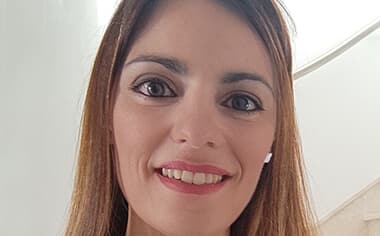
Maureen Sciberras

Your organization field and mission:

The Directorate for Digital Literacy & Transversal Skills (DDLTS) in Malta is dedicated to empower learners of all ages with the digital competences they need to succeed in the 21st century world. With a focus on collaboration, communication, creativity, critical thinking, citizenship and computational thinking, the DDLTS leads national initiatives in digital learning, supports educators in integrating technology into teaching and drives forward Malta’s digital education agenda. This year a new national Digital Education Strategy (covering 2025-2030) was launched by the Directorate which includes measures such as one device per student, greater educator training in digital tools and AI and a focus on inclusive access to technology for all learners. 

Please tell us briefly about your role in the company / at your organization:

As a Digital Literacy support educator, I work closely with educators to help them integrate digital tools and technologies into their teaching and learning practices. This involves providing one-to-one support, delivering tailored training sessions and developing resources that align with the national digital literacy strategy. I occasionally also deliver hands-on workshops directly to students to introduce them to emerging technologies such as VRs, coding and artificial intelligence.

Your interest in STEM

Unlike many, my journey into STEM didn’t begin in childhood. During my primary and secondary education, opportunities to explore coding or STEM subjects were limited. It was at university, while preparing for teaching practice, that I was introduced to the world of Web 2.0 tools and realised the potential of digital technology in education. That initial spark grew stronger during my teaching years, eventually leading me to join the digital literacy team, where I could work more closely with digital technologies.

As a Digital Literacy support teacher, my passion for technology deepened even further—supporting educators in integrating tools like VR sets, coding platforms, and AI into their classrooms made me realise the transformative impact of technology on teaching and learning. These hands-on experiences not only enhanced my own understanding but reinforced my commitment to making STEM more engaging and accessible for both teachers and students.

The first figure in STEM who truly inspired me was Ada Lovelace. Her courage to pursue her passion for mathematics—despite societal limitations—reminds me that women have always had a place in STEM, even when that space wasn’t acknowledged. As someone who came into STEM later in life, her story encourages me to keep learning and pushing boundaries. She showed me that innovation often begins with curiosity and the bravery to see things differently.

Another person who truly inspires me is Reshma Saujani, founder of Girls Who Code. Her dedication to closing the gender gap in technology resonates deeply with me, as I also strive to empower girls and women through digital literacy and STEM education. Organisations like this  motivates me to keep working toward making STEM accessible and exciting for all learners, especially those who might not otherwise see themselves represented in this field.

Your studies

One of my strengths during my studies was strong self-motivation and resilience. I began my Masters’ degree just as I returned to work from maternity leave—with a six-month-old baby at home. Balancing academic work, professional responsibilities, and motherhood required determination and focus. A weakness I faced was my limited early exposure to STEM, which meant I had to put in extra effort to build my knowledge and skills later in life. Fortunately, I was eager to learn and welcomed every opportunity to improve, attending online on onsite professional development opportunities that arose.  This was not always easy considering that I live on an island and most of these opportunities are offered in mainland Malta. A major threat I continue to navigate is the challenge of caring for my daughter, who has a severe disability and is fully dependent on me. This has shaped my perspective and made me even more determined to stay abreast of developments in STEM—especially those that can help improve my daughter’s quality of life.

My advice to girls and women who want to pursue studies and careers in STEM is to stay curious, be brave, and never underestimate the power of your ideas. Reshma Saujani encourages us to “be brave, not perfect,” reminding us that it’s okay to take risks and learn from failure along the way. Be resilient and never give up despite all the challenges.

You at work

We are committed to promoting gender diversity in the tech field by actively encouraging and supporting girls to explore coding and digital skills. In fact, one of the strategic measures under the Digital Education Strategy is to provide learners with training in crucial areas such as the digital divide, career roles in IT, and the vital issue of gender equality within technology-related professions. As a woman teaching digital technology and coding, I’ve seen how my presence alone can make a significant impact; many girls feel more confident and motivated when they see someone like themselves in this role. It helps challenge the stereotype that tech is only for boys and reinforces the message that digital technology is a space where girls belong and can thrive.


My organisation helps promote equitable access to digital education by contributing to community events like Code Week and Digital Literacy Week which is organised by my Directorate.  The One Device Per Child program, which has been extend to students in Years 7, 8, and 9 helps bridge the digital divide by equipping all learners—regardless of their socioeconomic background—with the necessary tools to fully participate in digital education. This also includes neurodiverse learners to foster an inclusive and accessible environment to help every learner build confidence in their technological abilities. Through our involvement in various eTwinning projects, we encourage the integration of digital tools in cross-curricular learning. These projects not only enhance digital competence among students but also foster collaboration across countries, helping young people understand their role in addressing global challenges through innovation and responsible digital practices.

I take great pride in supporting continuous learning for educators, helping them build confidence and skills in integrating technology effectively into their teaching. During subject meetings, I assist teachers by demonstrating how particular technologies can be effectively integrated into their curriculum to enhance student learning and engagement. By collaborating closely with teachers and schools, I ensure that digital tools are used thoughtfully to enhance learning experiences while fostering responsible digital citizenship. This also helps students develop the critical awareness needed to navigate the digital world responsibly and confidently.

Your point of view

Technology empowers women by increasing their representation in STEM fields and leadership roles, breaking down long-standing gender stereotypes. By providing access to digital education, technology creates pathways for women to enter and thrive in traditionally male-dominated industries. This visibility and participation help challenge societal norms about gender roles, inspire future generations, and promote greater gender equality in both the workplace and society at large. Through these opportunities, technology acts as a catalyst for empowering women to lead, innovate, and contribute fully to the digital economy.

Believe in your ability to succeed in the digital and technology sector—your voice and perspective are not only valuable but necessary. Don’t be discouraged by stereotypes or the lack of representation; instead, see yourself as part of the change. Take every opportunity to learn, stay curious, and don’t be afraid to ask questions or make mistakes—it’s all part of the journey. Most importantly, know that there is space for you in tech—not just to participate, but to lead, innovate, and make a real difference. An inspiring quote by Katherine Johnson who works in NASA says “Girls are capable of doing everything men are capable of doing. Sometimes they have more imagination than men.”

By 2030, I hope to see a digital education sector that fully embraces and reflects the principles of Diversity, Equity, Inclusion, and Sustainability. This means closing the digital divide so that every student—regardless of gender, background or ability—has equal access to high-quality digital tools, computational thinking skills, and opportunities. I would like to see more women and underrepresented groups not only participating in, but also leading, innovation in technology and education. Additionally, I hope there is a stronger focus on using digital learning to address global challenges, with sustainability embedded into both the content we teach and the way we use technology in schools.

To finish with

I believe that digital technology is not just a tool, but a fundamental part of education, innovation, and daily life in today’s world. The COVID-19 pandemic clearly demonstrated how essential technology is for staying connected, continuing education, and solving real-world problems. My values in STEM are rooted in ensuring that everyone—especially girls—has the opportunity to develop strong digital skills, understand how technology works, and use it responsibly. I strongly value accessibility, inclusion, and the power of technology to empower individuals. I am dedicated to supporting both learners and educators in using digital tools to create a more connected, resilient, and future-oriented society that continue in narrowing the digital divide gap and strive to make the best possible ethical use of the opportunities arising by AI and the emergent technology.

In my professional role with DDLTS, one of my key future challenges is keeping pace with the advances in coding and artificial intelligence (AI) and ensuring these developments are harnessed in an inclusive way. As technology evolves rapidly, I must continuously update my own expertise and guide both teachers and students in using these tools effectively. 

By 2030, I hope my career will have evolved to include a leadership role within digital literacy education, where I can influence policy and practice on a broader scale. I aim to be at the forefront of integrating emerging technologies like AI and coding into inclusive, accessible learning environments. Additionally, I plan to collaborate closely with educators across other STEM subjects to raise awareness and foster interdisciplinary approaches that highlight the importance of digital skills for all students. 

The current activity has been implemented in the framework of the Project: Code4Europe,
GA Number: 101158834. Official project website : 
https://codeweek.eu/ 
[ October 16, 2025 by ECWT 0 Comments ]

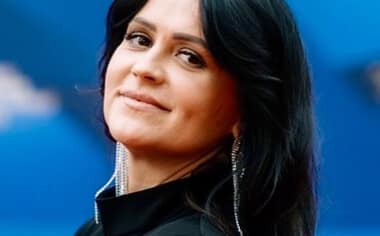
Nataliia Perekhryst

Your organization field and mission:

My mission is to develop high-quality, inclusive, and modern education that combines creativity, digital literacy, and the values of global citizenship. I integrate innovative technologies, including artificial intelligence and STEM education, into the learning process to inspire students to think critically, act responsibly, and shape a future built on knowledge and kindness.

Please tell us briefly about your role in the company / at your organization:

I work as a teacher of Computer Science and English, focusing on integrating innovative technologies and artificial intelligence into the learning process. I design and implement interdisciplinary STEM projects, organize workshops, and promote digital literacy among students. As an ambassador of EU Code Week and the Universal Youth Alliance, I represent and share best educational practices at national and international levels, fostering creativity, sustainability, and a culture of lifelong learning.
I am the winner of the “Computer Science Teacher of the Year 2025” nomination of the Global Teacher Prize Ukraine, which recognizes my professional excellence, leadership, and dedication to advancing modern Ukrainian education.

Your interest in STEM

My interest in STEM was born during my early teaching years, when I realized how powerfully science and technology could spark curiosity and creativity in children. With a background in Physics, Computer Science, and English, I began integrating interdisciplinary projects that connected coding, robotics, and environmental studies. Seeing how students’ eyes lit up when they could create and solve real problems inspired me to focus on STEM education as a way to prepare them for the future. Over time, this passion grew into larger initiatives — including AI-based environmental projects like “SmartSort: AI for a Clean Future” — aimed at developing critical thinking, innovation, and sustainability in the classroom.

My first role model was my grandmother, a teacher with encyclopedic knowledge and an incredible ability to love everyone equally. She taught me that true strength lies in kindness, responsibility, and lifelong learning. Growing up, I was inspired by her wisdom, honesty, and unwavering faith in education as a force for good.
Today, I continue to be inspired by innovative educators and leaders who use technology and creativity to transform learning — people who show that education is not just about knowledge, but about shaping values, empathy, and a better future for all.

Your studies

During my studies, my biggest challenges included:
Strengths: I have strong curiosity, discipline, and a love for learning, which helped me engage deeply with complex subjects like physics, computer science, and pedagogy.
Weaknesses: Balancing multiple disciplines at the same time and applying theoretical knowledge in practical classroom settings was sometimes difficult.
Opportunities: Access to modern educational resources, mentorship from experienced teachers, and participation in innovative projects allowed me to explore interdisciplinary approaches and STEM integration.
Threats/Challenges: Limited practical experience with emerging technologies initially, and the need to adapt quickly to rapid changes in educational tools and methodologies, especially in digital and AI-driven learning.

My advice to girls and women who want to pursue studies in STEM and education:
Believe in your curiosity and creativity, and never let stereotypes or self-doubt limit you. STEM fields thrive on curiosity, problem-solving, and innovation — qualities that everyone can develop. Seek mentors, embrace challenges as opportunities for growth, and don’t be afraid to take risks or try new technologies. Remember that your perspective, empathy, and unique ideas are as valuable as technical skills. By following your passion and staying persistent, you can not only succeed in your studies but also inspire future generations

You at work

At my school, we actively promote diversity, equity, inclusion, and sustainability through both curriculum and extracurricular projects. We design lessons and STEM projects that are accessible to all students, including those with special educational needs, ensuring everyone can participate and thrive. I lead initiatives such as “SmartSort: AI for a Clean Future”, which teach environmental sustainability through AI-driven waste sorting, combining technology with social responsibility.

We also foster cultural awareness and collaboration, encouraging students to work in diverse teams and respect different perspectives. Through partnerships with international programs such as EU Code Week, Universal Youth Alliance, Global Teacher Prize, Global Money Week, and participation in the Science on Stage AI Challenge platform, students engage in global projects that emphasize ethical, sustainable, and inclusive approaches to learning and problem-solving. These initiatives aim to create a learning environment where every student feels valued, included, and empowered to make a positive impact on their community and the world.

I am proud that in just one year I have achieved a series of significant accomplishments: winner of Coding Week 2024, winner of the “Modern Educational Institutions 2025” competition, ambassador of Global Money Week, winner of Code Week grant projects, and winner of the “Computer Science Teacher of the Year 2025” nomination of the Global Teacher Prize Ukraine. These achievements reflect my dedication to innovation, STEM education, and inspiring students to be creative, responsible, and proactive in shaping their future.

Your point of view

Technology can empower women by providing access to knowledge, skills, and opportunities that were previously limited. Digital tools, online learning platforms, and STEM education enable women to build careers in science, technology, engineering, and mathematics, pursue entrepreneurship, and engage in global networks. Technology also helps women amplify their voices, connect with mentors, and advocate for equality and social change.

By embracing innovation and digital literacy, women can overcome barriers, unlock their potential, and create impact in their communities and beyond, shaping a more inclusive and equitable future.

Believe in yourself and your curiosity, and don’t let stereotypes or self-doubt limit your potential. STEM fields thrive on creativity, problem-solving, and persistence — qualities that everyone can develop. Seek mentors, embrace challenges as opportunities to grow, and don’t be afraid to explore new technologies or innovative approaches. 

Remember that your unique perspective, empathy, and ideas are just as valuable as technical skills. Follow your passion, stay persistent, and know that by doing so, you can not only succeed in your career but also inspire future generations.

By 2030, I would like to see DEIS (Diversity, Equity, Inclusion, and Sustainability) fully integrated into STEM education and schools globally.

I envision a world where every student, regardless of gender, background, or ability, has equal access to high-quality STEM learning and opportunities to innovate. I hope schools become inclusive spaces where diversity is celebrated, collaboration across cultures and perspectives is the norm, and sustainability is embedded in every project and curriculum.

I also hope that by 2030, technology and AI will be used ethically and responsibly to support inclusive education, ensuring that no one is left behind. Ultimately, I want education to empower students to be problem-solvers, innovators, and responsible global citizens who contribute to a fairer, greener, and more equitable world.

To finish with

My values are integrity, empathy, curiosity, and lifelong learning. I believe in acting with honesty and responsibility, treating everyone with respect and care, and continuously seeking knowledge to grow personally and professionally. I value creativity, collaboration, and inclusivity, striving to inspire others and create learning environments where everyone feels empowered and supported.

My future challenges as a professional include continuously adapting to the rapid changes in educational technologies, particularly in the fields of AI, digital tools, and emerging STEM disciplines. I strive to balance innovation with inclusivity, ensuring that new methods and technologies are accessible to all students, including those with special educational needs.

Another challenge is scaling impactful projects, such as “SmartSort: AI for a Clean Future,” to reach more schools and communities while maintaining quality and sustainability. Additionally, I aim to mentor and inspire other educators, helping them implement innovative approaches and DEIS principles in their own classrooms. I am also a winner of the “Educational Dream” nomination, which has given me the opportunity to pursue my main goal — creating my own digital school, combining innovative technologies, STEM education, and inclusive approaches to make learning accessible, modern, and inspiring for every student.

Ultimately, my goal is to continue growing as a leader and lifelong learner, while ensuring that my work positively impacts students, colleagues, and the broader educational community.

By 2030, I hope my career will have evolved to a level where I can lead large-scale educational innovations that combine STEM, AI, and inclusive learning approaches. I envision expanding my digital school, creating a platform where students from diverse backgrounds can access high-quality, personalized education and develop critical thinking, creativity, and problem-solving skills.

I also hope to mentor and inspire a new generation of educators, helping them implement innovations, DEIS principles, and technology to make learning more engaging and equitable. In addition, I aim to become a school principal or lead an educational administration, allowing me to influence education at the institutional or regional level.
Ultimately, I want my work to have a meaningful global impact, fostering inclusive, sustainable, and forward-thinking education that prepares students to contribute positively to their communities and the world.

The current activity has been implemented in the framework of the Project: Code4Europe,
GA Number: 101158834. Official project website : 
https://codeweek.eu/ 
[ October 15, 2025 by ECWT 0 Comments ]

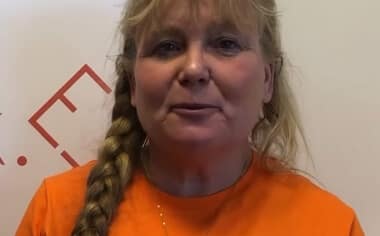
Annie Bergh

Your organization field and mission:

I work at the Department of development in the city of Malmö. The Development Department of the City of Malmö works to ensure “Varje elevs bästa skola” – Every Student’s Best Possible School.
Our mission is to support schools in providing high-quality, equitable, and future-oriented education for all learners. We strengthen schools through innovation, inclusion, digitalisation, and international collaboration — always with the student’s learning, wellbeing, and participation at the centre. By building bridges between research, practice, and policy, we help teachers and leaders develop sustainable practices that prepare students for an increasingly digital, interconnected, and rapidly changing world.

Please tell us briefly about your role in the company / at your organization:

As an International Coordinator at the Development Department of the City of Malmö, my mission is to connect innovation, inclusion, and international collaboration in education — turning global opportunities into local impact and vice versa.
I coordinate several Erasmus+ KA2 partnerships and lead Malmö’s Erasmus+ KA1 Accreditation consortium for schools with students age 6 – 16, enabling around 100–150 teacher and student mobilities each year. These projects strengthen our schools’ work with digital transformation, sustainability, and equity in education.
I currently serve as President of the EU Code Week Council, as well as an EU Code Week Ambassador and eTwinning Ambassador, promoting creativity, coding, and collaboration across Europe. For seven years, I were the regional project leader for the FIRST LEGO League finals in Skåne/Malmö, empowering students to explore STEM, innovation, and teamwork, up until 2023. As the person responsible for Malmö’s work with NAO robots, I have spent nearly a decade using robotics to enhance language learning, reading motivation, and inclusion for students aged 6–19. I learned programming myself through this work — together with teachers and students — which strengthened my belief that learning should always be collaborative, playful, and human-centred. In addition, I design and host international training courses, study visits, and dissemination events in Malmö to share results, inspire others, and build long-term partnerships. My goal is to empower both educators and students to see themselves as changemakers shaping Europe’s digital and sustainable future.

Your interest in STEM

My interest in STEM grew naturally through my work — by learning with and from students. Seeing their curiosity, creativity, and problem-solving skills develop sparked my own fascination. Over time, working hands-on with our NAO robots deepened that passion; programming and experimenting alongside teachers and students taught me that technology can be both empowering and profoundly human.

International collaborations through Erasmus+ projects, eTwinning, and EU Code Week have also shaped my understanding of how STEM can unite people across cultures. For me, STEM is not just about science and technology — it’s about curiosity, creativity, and collaboration as driving forces for positive change.

I have been fortunate to meet many inspiring people who have shaped my professional journey. One of the first was Leila Khammari, a visionary STEM and STREAM advocate and founder of STREAM Scandinavia, whose work connects education with industry and opens doors for young people in technology and innovation.

Another is Sumita Batharrayya from Vellinge, whose leadership and dedication to creativity, equity, and lifelong learning continually remind me that courage and compassion are the foundation of all meaningful change.

I am also deeply inspired by Professor Chunfang Chen from the University of Southern Denmark, whose research into creativity, innovation, and engineering education has profoundly influenced how I view learning as a shared, evolving process between research, practice, and policy.

And, perhaps most powerfully, Team Amaryllis from Malmö — a group of extraordinary students who have represented Sweden in both the Scandinavian and World Finals of the FIRST LEGO League. Their creativity, teamwork, and perseverance embody everything that education should nurture.

Together, these individuals — educators, researchers, and students — remind me daily that inspiration flows in all directions. Real change happens when we listen, learn, and create together.

Your studies

My biggest challenge has been stepping into the world of digitalisation and technology from a non-technical background. As a teacher of languages, social science, and core values, learning to master digital tools, programming, and leading digital development was at first overwhelming. The learning curve was steep — and many times, the struggle felt very real.

But these challenges became my greatest teachers. They taught me perseverance, curiosity, and the importance of learning together with others. Today, this journey allows me to bridge disciplines and help other educators see that technology isn’t only for “tech experts” — it’s a creative language that anyone can learn to speak.

My advice is: don’t wait until you feel ready — start, and learn as you go. You don’t need to be a “tech person” to belong in this field. Curiosity, creativity, and empathy are just as valuable as coding or engineering skills.

Surround yourself with people who lift you up, ask questions fearlessly, and never apologise for wanting to understand how things work. Technology and innovation need diverse voices — and your perspective matters.

And remember: every time you doubt yourself, someone else is waiting to see someone like you succeed. Be that person — for yourself, and for the girls who will come after you.

You at work

The City of Malmö’s Development Department works strategically with diversity, equity, inclusion, and sustainability (DEIS) in every aspect of our mission — guided by the vision “Varje elevs bästa skola” (“Every student’s best possible school”).

Our work is strongly aligned with the UN Sustainable Development Goals (SDGs). We empower schools and students to take real action for sustainability through authentic, cross-curricular learning experiences. One of our key initiatives is InnoCarnival, where students develop innovative solutions to real global and local challenges, learning to see themselves as active changemakers.

Through international Erasmus+ projects such as UNITY, ECO-STEAM, and M-STEM, we integrate sustainability, digital literacy, and global citizenship into everyday teaching and learning. Inclusion and equity are at the heart of all our activities — from school-dog pedagogy supporting emotional inclusion to NAO robotics inspiring reading motivation and curiosity in students of all ages.

Sustainability for us means more than environmental responsibility — it also includes social and digital sustainability: building resilient, inclusive, and future-ready schools where every learner can thrive and contribute to a better world.

What makes me most proud is seeing how technology can reconnect, empower, and include students who might otherwise be left out.

I initiated the introduction of AV1 telepresence robots in Malmö, and for seven years I worked with schools to make sure children who could not physically attend school — due to illness, anxiety, or other circumstances — could still be present, learn, and stay part of their class community. The impact was profound: friendships continued, learning progressed, and belonging was restored.

I also initiated Malmö’s long-term work with NAO robots, using them to support language learning, reading motivation, and inclusion among many other initiatives  from ages 6 to 19. Watching teachers and students discover new ways to learn together — across subjects, cultures, and abilities — is what continues to inspire me every day.

For me, true innovation is not about technology itself, but about how it helps us stay human, connected, and hopeful.

Your point of view

Technology can be one of the most powerful tools for equity and empowerment — when access, skills, and confidence are shared equally. It opens doors for women to learn, connect, and lead on their own terms. For me, empowerment begins with visibility and voice. When women design, code, innovate, and lead projects, they reshape what technology looks like — and who it is for. Technology allows women to collaborate across borders, challenge stereotypes, and create new opportunities not only for themselves but for others who follow.

In education, I’ve seen how girls gain confidence when they realise they can build robots, program code, or lead a digital project. The key is not just teaching technology — it’s inviting women and girls to see themselves as creators of it. That’s how technology becomes truly transformative: when it helps everyone participate equally in shaping the future.

My advice is simple: believe that you belong here — because you do. You don’t need to fit a certain profile or have a technical background to make an impact in technology and education. Curiosity, creativity, and empathy are your greatest strengths.

Start small, stay curious, and don’t be afraid to ask questions or make mistakes — that’s how real learning happens. Surround yourself with people who share knowledge generously and lift each other up.

This field needs more women’s perspectives, voices, and ideas. We design better solutions when more people are included in shaping them. So take your place — not quietly, but confidently — and remember: the future of technology is brighter when you’re part of it.

By 2030, I hope diversity, equity, inclusion, and sustainability (DEIS) are no longer seen as separate goals — but as the foundation of how we design education and technology. I want every student, regardless of gender, background, or ability, to have equal access to meaningful digital learning experiences. Technology should not widen gaps — it should close them. That means designing tools, policies, and learning environments that are accessible, inclusive, and sustainable from the start.

I also hope that by 2030, we see more women and underrepresented groups in leadership roles across education and technology, shaping decisions and innovations that reflect the diversity of our world. In short, I want DEIS to move from being a vision to being our shared reality — where every learner, teacher, and innovator can thrive and contribute to a better, more sustainable future.

To finish with

My core values are inclusion, curiosity, collaboration, empathy, wellbeing, and building relations. For me, everything begins with building meaningful relations — creating trust, understanding, and a sense of belonging between people. Strong relationships are the foundation of learning, leadership, and innovation. I believe education should open doors for everyone, helping each learner feel seen, valued, and capable. Curiosity drives creativity, and learning should be a joyful, lifelong process that grows through collaboration.

Empathy and wellbeing — including digital wellbeing — are equally important. Technology should strengthen human connection and support balance, not replace it. These values guide my work every day, reminding me that the true goal of innovation is not efficiency, but human connection, growth, and hope.

One of my future challenges will be to continue balancing rapid technological change with the human dimension of education — ensuring that digital transformation always serves people, not the other way around. As technology evolves faster than ever, I want to keep developing my own digital skills while staying grounded in empathy, inclusion, and wellbeing. Another challenge is to build sustainable systems for innovation — where creativity can thrive without overwhelming teachers or students.

I also see it as a personal mission to keep building relations across sectors and countries, creating bridges between education, research, and industry. Staying curious, open, and humble in this process will be both my biggest challenge — and my greatest strength.

By 2030, I hope to work even closer to students — empowering them, amplifying their voices, and helping them realise the power they have to shape the world. I want to continue supporting young people, but from a broader perspective than within a single school system.

I believe deeply in the voice of youth and the importance of creating platforms where they can influence, innovate, and lead. My goal is to work in a larger, international context — beyond the municipality — where my experience, creativity, and collaborative mindset can be used to drive positive change on a wider scale. I know that I can do so much more than I am doing today for more students than I reach today through my work: 36 000 in Malmö can easily be scaled up working in another context. I see myself connecting education, innovation, and policy in new ways, ensuring that digital transformation and inclusion go hand in hand — and that every young person feels seen, heard, and capable of making a difference.

The current activity has been implemented in the framework of the Project: Code4Europe,
GA Number: 101158834. Official project website : 
https://codeweek.eu/ 
[ October 14, 2025 by ECWT 0 Comments ]

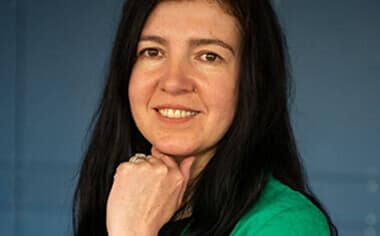
Olha Doskochynska

Your organization field and mission:

The mission of our lyceum: To develop and form in students the key competencies necessary for the successful life of a holistic and competitive personality.
The vision of our lyceum: The educational environment of the Ivan Pulyuy Lyceum ensures the comprehensive development of the student, contributing to the formation of his ability to independently determine his trajectory and actively take care of his development.
Graduates of our lyceum have a high level of knowledge and are able to realize their potential in relationships with other people, as well as in professional and personal life.

Please tell us briefly about your role in the company / at your organization:

My role as a teacher is to prepare students for the digital future, developing in them not only technical skills, but also critical thinking, creativity and responsibility, to inspire, help find knowledge, form STEM and digital literacy and prepare for the realities of the information society.

Your interest in STEM

Back in 2016, my students and I created a STEM project called “Flower Watering Robot” using Arduino kits and sensors. And this result inspired me to develop STEM. That was the beginning. Now we are actively involved in STEM projects.

My first role model was my mathematics teacher. Thanks to her, I developed an interest in science, particularly in mathematics and physics. Later, my own students became my source of inspiration – their eagerness to create STEM projects motivates me to keep going, support them in bringing their ideas to life, and nurture their love for science. Today, I strive to be a role model for younger teachers, sharing my experience and involving them in STEM initiatives both at our lyceum and at national and international levels.

Your studies

During my studies, one of my biggest challenges was overcoming the lack of practical opportunities and modern equipment to explore technology. I was passionate about computer science and physics, but access to resources was limited, which meant I had to rely on creativity, self-learning, and collaboration with others to gain practical experience.
From a SWOT perspective:
Strengths: strong motivation to learn, persistence, and curiosity about how technology can solve real-world problems.
Weaknesses: limited access to modern tools and mentors in the STEM field.
Opportunities: participation in teacher training programs, online communities, and international STEM initiatives.
Threats: gender stereotypes in technology and the lack of role models for young women in STEM.
These challenges motivated me to become not only a teacher but also a mentor and leader in STEM education -helping students and colleagues develop their own innovative projects and believe in their potential.

My advice to girls and women who want to study in STEM fields is to believe in your abilities and never let stereotypes define your path. Creativity and perseverance are more important than perfection. Don’t be afraid to make mistakes, ask questions, experiment – because that’s how innovation happens. Surround yourself with people who support you, mentors, and a community that inspires you to grow. Remember that your perspective and ideas are valuable, and the STEM world needs your voice and vision.

You at work

In our organization, we actively promote Diversity, Equality, Inclusion and Sustainability (DEIS) through education and empowerment for girls. We create equal opportunities for girls and women in STEM by organizing workshops, mentoring programs and leadership trainings. Our projects focus on inclusive education, psychological well-being and digital literacy for teachers and students. We also encourage sustainable development by integrating eco-STEM themes and digital tools that facilitate responsible innovation.

I am most proud of creating opportunities for students and teachers to explore innovation and technology through STEM educational initiatives. Seeing young people develop critical thinking, creativity, and confidence in their abilities, especially girls who begin to believe that they can be leaders in technology and science, has been the most rewarding part of my job. Together with the students, they joined the CodeWeek initiative, Girls Go Stem, Involved girls in the Young Inventors Club, engaged in robotics club.

Your point of view

Technology empowers women by giving them access to education, skills, and networks that open new opportunities. It allows women to work flexibly, start businesses, and share their voices with the world. In this way, technology helps women lead, innovate, and create real change in their communities.

My advice to girls and women aspiring to work in technology is to embrace curiosity and resilience. Participate in initiatives like Girls in Code Week to gain hands-on experience and connect with inspiring role models. Remember, the digital world thrives on diverse perspectives, and your unique voice can drive meaningful change. Start small, stay consistent, and never underestimate the power of your ideas.

I hope that by 2030, regardless of gender or background, there will be equal access to digital education and opportunities. I want to see more women and girls leading, innovating, and shaping the tech sector. Inclusion and digital skills should become a natural part of everyday learning and work.

To finish with

My core values ​​are inclusion, curiosity, and empowerment. I believe in creating opportunities for everyone to learn, grow, and make a positive impact. I strive to lead with integrity and inspire others through education and technology.

А future challenge for me will be keeping up with fast-changing technology while making sure my work stays meaningful and inclusive. I also want to balance leadership with hands-on involvement in projects that empower students and communities. Finally, collaborating across diverse teams and continuously learning will be key to overcoming these challenges.

By 2030, I aim to expand my work in technology, education, and social impact, creating inclusive digital learning opportunities. I want to empower the next generation, especially girls and underrepresented groups in tech, while growing in both professional impact and personal fulfillment.

The current activity has been implemented in the framework of the Project: Code4Europe,
GA Number: 101158834. Official project website : 
https://codeweek.eu/ 
[ October 6, 2025 by ECWT 0 Comments ]

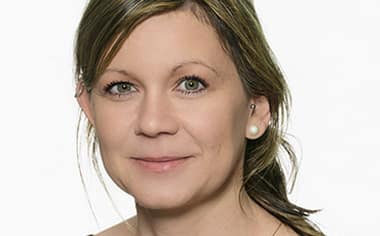
Daniela Wolf

Your organization field and mission:

The Ferdinand Porsche FernFH is Austria’s first and only university of applied sciences dedicated to distance learning. Its mission is to make academic education accessible to people who wish to combine work, family, and studies. Through innovative online learning methods and a strong focus on practical relevance, the university aims to promote lifelong learning, professional development, and equal opportunities in higher education.

Please tell us briefly about your role in the company / at your organization:

I am a researcher in the field of Computer Science Education and a lecturer specializing in virtual collaboration, Computer-Supported Cooperative Work (CSCW), and user training.

Your interest in STEM

My interest in technology began when our neighbors bought the first computer in our street. I was fascinated by this new world of possibilities and curious to understand how it worked. That early experience sparked my passion for STEM and set me on the path I am on today.

My first role model was my cousin, who chose a career in the construction industry – a field that was, and still is, largely male-dominated. I admired her courage, persistence, and independence. Today, I continue to be inspired by women who drive change, break barriers, and refuse to be intimidated. Their strength and vision motivate me to keep pushing boundaries in my own field as well.

Your studies

One of my biggest challenges during my studies was balancing everything at once. My parents didn’t have the financial means – and honestly, they neither wanted me to study. But for me, pursuing higher education was deeply important; it was my way of shaping my own path and independence. Managing studies, work, and a healthy work-life balance at the same time was definitely the hardest part.

Use your brain to think analytically, your heart to empathize and connect, your hands to create and achieve – and your persistence to keep going when things get tough.

You at work

Key initiatives include:

  • Ongoing recertification as a “Family-Friendly University”, supporting the compatibility of study, work, and family life.
  • Measures to promote gender balance among students across all study programs.
  • Advisory support on gender and diversity aspects in projects, research proposals, and theses.
  • Consideration of equality and diversity goals in recruitment and appointment procedures.
  • Participation in the research program “Diversity in Organizations.”
  • Preparation of an annual Gender Equality Report for the university’s collegial leadership.
  • Operation of a Standing Committee on Gender Equality, Gender & Diversity.

Completed and ongoing activities:

  • Integration of gender and diversity management into the university’s statutes and core values.
  • Courses on Diversity Management across study programs.
  • Implementation of the “Equal Pay” project to evaluate pay structures.
  • Gender-neutral language and third gender option in applications and student records.
  • Establishment of gender-neutral and accessible facilities, including toilets and barrier-free buildings and web content.
  • Code of Conduct and anonymous reporting mechanism for equality and respect.

“Nestor Gold” project promoting age-inclusive organizations.

I am most proud of having contributed to both academic innovation and institutional development at the Ferdinand Porsche FernFH. Over the years, I have helped transform the university’s digital learning landscape by establishing the E-Learning and Web-Support Center (including a MediaLab), implementing virtual classrooms, and leading the university’s first social media and public outreach initiatives. I am also proud of promoting gender equality through the recruitment of female lecturers, simplifying examination processes, and being re-elected to the faculty in 2024. My commitment to teaching excellence was recognized with the Werner Jungwirth Teaching Award (2022), and my research achievements have been supported by the Lower Austrian Research Promotion Society (GFF NÖ) and the Austrian Research Promotion Agency (FFG), where I was selected for the Innovation Leadership Program and recognized as one of their INNOVATORINNEN alumnae.

Your point of view

Technology can empower women by giving them access to knowledge, networks, and opportunities that transcend traditional barriers. It allows women to learn, work, and lead from anywhere, often creating new paths where none existed before. When women gain digital skills, they not only strengthen their own voices but also shape the technologies that influence our societies. True empowerment comes when women are not just users of technology – but its creators, innovators, and decision-makers.

Use your brain to think analytically, your heart to empathize and connect, your hands to create and achieve – and your persistence to keep going when things get tough.

By 2030, I would like to see diversity, equity, inclusion, and sustainability fully embedded – not as add-ons, but as natural foundations of every decision in the tech and education sector. This means equal representation of women and underrepresented groups in all levels of technology and academia, from classrooms to leadership. It also means valuing different life paths, cultural backgrounds, and ways of learning as assets rather than exceptions. In terms of sustainability, I hope digital education becomes both environmentally conscious and socially responsible – empowering people, not replacing them.

To finish with

Less poverty, less inequality, more education — and one connected world, both physical and digital.

One of my ongoing challenges is balancing the demands of motherhood with a professional career – especially when support systems are limited. It can be difficult to stay fully present and perform at full strength at work while managing everything that family life requires. Finding sustainable ways to maintain both focus and energy remains one of my biggest personal and professional goals.

By 2030, I hope to have deepened my work at the intersection of technology, education, and social impact – continuing to build projects that make digital learning accessible and inclusive. I want to combine research, teaching, and innovation to empower the next generation, especially girls and underrepresented groups in tech. Most of all, I hope my career will reflect a balance between professional purpose and personal fulfillment – growing not only in titles, but in meaning.

The current activity has been implemented in the framework of the Project: Code4Europe,
GA Number: 101158834. Official project website : 
https://codeweek.eu/