
[ September 13, 2026 by ECWT 0 Comments ]

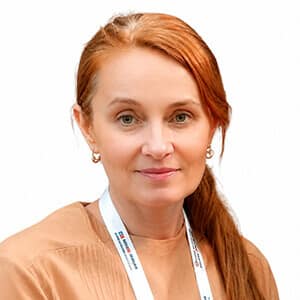
Petya Zheleva

Your organization field and mission:

Professional Technical High School – Burgas provides vocational and general education, preparing students for successful professional realization and further studies. Its mission is to combine high-quality education with practical skills, modern technologies, STEM learning and innovation, while supporting students in developing digital, technical, social and entrepreneurial competences.

Please tell us briefly about your role in the company / organization:

I am a Senior Teacher of Mathematics and Information Technology at Professional Technical High School – Burgas. My work combines classroom teaching with STEM education, educational robotics, digital technologies and project-based learning. I also participate in the development and implementation of innovative educational activities, STEM projects, extracurricular initiatives and robotics competitions, with a strong focus on developing students’ problem-solving, teamwork and digital skills. I am an ambassador for Lego robotics competitions in Bulgaria.

Your interest in STEM

My interest in STEM developed naturally through my background in engineering, mathematics and information technology. Over the years, I became increasingly interested in combining theoretical knowledge with practical activities that allow students to experiment, design, program and solve real-world problems. Educational robotics, LEGO-based projects, programming and digital technologies strengthened this interest and became an important part of my teaching practice. In 2020, I won a national competition in Bulgaria as a STEM teacher, and I was also honored as Bulgaria’s Teacher of the Year—receiving awards in both 2020 and 2024.

My first strong role models in STEM emerged in 2020, when I won first place in a national STEM competition in Bulgaria. At that time, I was deeply inspired by educators and professionals who demonstrated how technology, creativity and practical learning can transform education. Over the years, I have also had the opportunity to become a role model myself through my own achievements in STEM education. I have developed and implemented numerous STEM projects, shared good practices with students and colleagues, and published many articles presenting my educational projects and experience at international level. Today, my role models continue to be innovative educators, engineers, researchers and women in STEM who inspire others through knowledge, persistence, creativity and meaningful professional contribution.

Your studies

My main strengths during my studies were persistence, curiosity and a strong interest in mathematics, engineering and technology. One of the challenges was combining demanding academic requirements with the need to continuously adapt to new technologies and methods. At the same time, every new qualification created opportunities for professional development, interdisciplinary learning and the integration of new approaches into education. The main challenge has always been keeping pace with the rapid development of technology while maintaining a strong pedagogical focus.

Do not be afraid of mathematics, technology or engineering because they are fields where creativity, logical thinking and imagination work together. Believe in your abilities, ask questions, experiment and continue learning even when something seems difficult at first. Choose a field that genuinely interests you and look for opportunities to apply your knowledge in practice.

You at work

Our school supports inclusive education, equal access to learning opportunities and the development of every student according to their individual abilities. Through STEM activities, robotics, digital projects and teamwork, students are encouraged to participate actively regardless of gender, background or previous experience. We also promote collaboration, responsible use of technology and educational activities connected with sustainability and real-world challenges.

I am most proud of creating learning experiences in which students become active participants rather than passive learners. Through STEM projects, LEGO robotics, programming and participation in robotics competitions, I have seen students develop confidence, teamwork, problem-solving and algorithmic thinking. I am also proud of contributing to innovative educational initiatives and of sharing my experience with other educators through projects, conferences and professional forums.

Your point of view

Technology can empower women by providing access to education, professional development, flexible working opportunities, entrepreneurship and international networks. Digital skills also give women greater independence and the ability to create, communicate and participate actively in sectors that are shaping the future.

Be confident in your knowledge and do not allow stereotypes to define what you can achieve. Continue developing your digital and professional skills, work on real projects, learn from mistakes and seek collaboration with people who encourage your growth. In education and technology, continuous learning is one of the strongest professional advantages.

By 2030, I would like to see equal access to high-quality STEM and digital education for all students, greater participation of girls and women in technology and engineering, and learning environments where diversity and inclusion are recognized as strengths. I would also like schools and technology organizations to collaborate more closely in order to create more practical opportunities for young people.

To finish with

My core values are responsibility, integrity, continuous learning, respect, collaboration and commitment to education. I believe that knowledge gains its greatest value when it is shared and when it creates opportunities for others to grow.

My future professional challenge is to continue developing innovative approaches that connect mathematics, information technology, robotics and STEM education. I also want to expand my work in teacher collaboration, educational projects and the development of learning environments where technology supports creativity, practical skills and meaningful learning.

By 2030, I hope to have expanded my contribution to STEM education, educational robotics and the professional development of teachers, both at school level and within the wider educational community. I would like to participate in more national and international projects, share good practices with other educators, and contribute to initiatives that encourage young people, especially girls, to build confidence and take advantage of opportunities in STEM and technology.

The current activity has been implemented in the framework of the Project: Code4Europe,
GA Number: 101158834. Official project website : 
https://codeweek.eu/ 
[ September 12, 2026 by ECWT 0 Comments ]

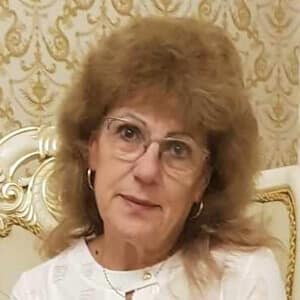
Natalia Stankova

Your organization field and mission:

SU ‘Tsvetan Radoslavov’ works with 335 learners aged 7 to 18, covering elementary, junior high, and high school stages. Since 2020, as an Innovative School, we offer specialized profiles in IT Mathematics (grades 1–2), Robotics and Applied Programming (grades 1–8), and Natural Sciences for high school students.
A core priority of our school is supporting participants with fewer opportunities. Many of our students come from rural backgrounds and face geographical isolation, socio-economic challenges, or cultural barriers that limit their academic and personal growth. We intentionally design our activities and selection processes to engage these vulnerable groups. Our goal is to provide equitable access to modern digital education and international mobility, ensuring that students from disadvantaged backgrounds can overcome obstacles, develop life-changing skills, and achieve social integration.

Please tell us briefly about your role in the company / at your organization:

My name is Natalia Danailova Stankova, a long-standing pedagogical specialist with proven professionalism, innovative thinking, and a significant contribution to the development of STEM education, innovation, and international cooperation at “Tsvetan Radoslavov” Secondary School – Svishtov.  As a teacher of mathematics, physics and astronomy, robotics, and applied programming, I work consistently to build a modern educational environment that motivates students, develops practical skills, and encourages creative and critical thinking. Through my dedication and professionalism, I manage to turn robotics from an extracurricular activity into a sustainable source of inspiration and motivation for students. Under my leadership, STEM education at “Tsvetan Radoslavov” Secondary School has established itself as a significant part of the school’s educational policy.  Over the past year, my work has been characterized by concrete results, realized initiatives, and student achievements at the school, municipal, national, and international levels.  Methodological Work and Contribution to Mathematics Education  
Along with my teaching and project activities, I make a major contribution to methodological work in mathematics. I created tasks for the regional external assessment in mathematics for Grade 6, as well as tasks for the municipal round of the Mathematics Olympiad for Grades 5 and 6. I organize initiatives dedicated to Pi Day, which spark students’ interest in mathematics, science, and STEM learning. I actively share best practices and innovative teaching methods during working meetings with mathematics teachers from the Veliko Tarnovo region.  Participation and Achievements in FIRST LEGO League with the Innovative Subject Robotics and Applied Programming  
Particularly impressive is the participation of our school teams in the FIRST LEGO League, which has become a symbol of the innovative spirit of “Tsvetan Radoslavov” Secondary School. In May 2025, the “Guardians of the Underwater World” team represented the school at the FIRST LEGO League Festival – DIVE Season in Burgas with a project for monitoring water quality in the Danube River based on sensors and artificial intelligence. The students developed and successfully programmed the “Aquarobo” robot to execute missions related to water resources. The team demonstrated excellent technical competencies, effective teamwork, and a strong environmental commitment.  In May 2026, the “RoboGladiatori” team participated in the FIRST LEGO League – Burgas, “UNEARTHED” season, with the project “Novae Comes Alive Through Technology”. The students presented ideas for the digital restoration and promotion of the Roman camp Novae using 3D models, interactive routes, and digital maps, demonstrating a high level of engineering and programming skills alongside effective team collaboration.  Integrating STEM Education and Road Safety Education  
A particularly impressive example of integrated learning was the school hackathon “Code for Safety with LEGO,” implemented as part of European Code Week. Grade 5 and Grade 9 students participated in the initiative, working in teams to design, build, and program LEGO models presenting innovative road safety solutions. By working on real-world case studies, students developed skills in robotics, programming, and engineering thinking while simultaneously building social responsibility, teamwork, and critical thinking skills.  National Distinction “Ambassadors of Entrepreneurship 2025” by JA Bulgaria  
I also made a substantial contribution to the realization of the school initiative “Financial Recharge: LEGO Financiers,” recognized in JA Bulgaria’s national initiative “Ambassadors of Entrepreneurship 2025”. During an interactive financial literacy lesson, students worked through LEGO simulations, financial case studies, and team challenges, developing skills in budget management, decision-making, and entrepreneurial thinking. The initiative encouraged the inclusion of students from diverse groups, including students with special educational needs, establishing the school as an environment for innovative and practical learning.  Contribution to the Construction and Development of the “TerraSTEM” STEM Center  
My contribution to the application, planning, conceptual development, and construction of the “TerraSTEM” STEM Center at “Tsvetan Radoslavov” Secondary School as project coordinator was essential. Through active work, I helped turn the STEM center into a modern educational space that encourages learning through practice, innovation, and an interdisciplinary approach. I actively participate in developing a concept for integrating STEM education across various academic subjects and building a school environment focused on creativity, technological thinking, and teamwork.  Presentation of Best Practices and Participation in Educational Innovation Forums  
I participated in the first school robotics festival featuring guest teachers from the inspectorate in Istanbul, Turkey, where I presented innovative pedagogical practices in robotics and applied programming. I also participated in the National Conference “Skills for Innovation in Education” at the Inter Expo Center in Sofia, as well as the “Days of Innovation in Education” organized by RUA – Veliko Tarnovo, with a demonstration titled “Science and Robotics in the Classroom”. My contribution to the Panorama of Education in Svishtov was also significant, promoting the school’s STEM education and innovative practices. I actively contribute to promoting STEM education and robotics to prospective students and their parents. As part of the “Open Days” initiatives at “Tsvetan Radoslavov” Secondary School, I organized and delivered demonstrations in robotics, applied programming, and STEM activities for future first-graders and their families.  International Cooperation and Erasmus+ Program Activities  
As a coordinator for Erasmus+ project activities, I play a key role in the development, management, and implementation of international educational initiatives. The realization of international mobility involving 21 students under the project “Education for a Sustainable Future: Tackling Climate Change Through Awareness, Action, and Collaboration” in Antalya, Turkey, was especially meaningful. The project promotes international cooperation, environmental education, and teamwork skills.  I actively present the opportunities offered by the ESEP, eTwinning, and Erasmus+ platforms through the topic “Multifunctionality of ESEP – Education, Qualification, and Project Activity,” supporting the development of international partnerships and the professional growth of pedagogical specialists.  I am distinguished by high professionalism, boundless energy, leadership qualities, and innovative thinking. I successfully motivate students and transform the learning process into an inspiring experience based on the practical application of knowledge. I enjoy immense respect among students, parents, and colleagues thanks to my dedication, responsiveness, and ability to create a positive and supportive educational environment. Students regard me as an inspiration and mentor who fosters the development of their abilities, independence, and confidenc

Your interest in STEM

My interest dates back to 2020, and in 2026 we opened a modern STEM center at the school. This is our children’s future!

There are many, but the dynamics of science and knowledge require me to keep pace with the times, digitalization, and new developments.

Your studies

To inspire my students to enjoy and love what they do, to work in a team, and to be self-critical.

The girls possess creative thinking, boundless energy, and dedication.

Your point of view

Technology drives women’s empowerment by lowering barriers to entry, increasing autonomy, and expanding social and financial access worldwide.  Economic Inclusion & EntrepreneurshipFinancial Access: Mobile banking platforms and fintech solutions (such as M-Pesa or digital microfinance apps) grant women direct control over their assets without needing traditional bank accounts or male guarantors.  Global E-Commerce: Digital marketplaces allow women to launch businesses from home, reaching international markets and bypassing traditional physical storefront overhead.  Flexible Work: Remote work tools, freelancing platforms, and digital collaboration software provide flexible income opportunities that help balance professional growth with domestic or caregiving responsibilities

Working in technology offers incredible opportunities to build, innovate, and solve real-world problems. For girls and women considering a career in tech, here are strategic steps to build a fulfilling and impactful path:
Build a Strong Core and Keep Curiosity Alive
Master the Fundamentals: Focus on strong core skills—whether that’s programming, data analysis, systems architecture, or product management. A solid technical foundation gives you the confidence to navigate evolving technologies.
Embrace Continuous Learning: Technology changes rapidly. Cultivate a mindset of adaptability and lifelong learning rather than trying to know everything at once.

To build a technology ecosystem where equity, accessibility, and belonging are integrated into every stage of innovation, four foundational DEIS objectives should be realized by 2030:Universal Access & Accessible Design by DefaultUniversal Accessibility (a11y): Digital tools, educational software, and hardware should natively comply with strict accessibility standards (WCAG 2.2 AAA / EN 301 549). Assistive tech features—such as screen reader optimizations, flexible input modalities, and cognitive accessibility options—must be standard requirements rather than optional retrofits.  Algorithmic Fairness: AI models and educational tools must undergo rigorous bias audits to ensure they do not reinforce historical inequities, socioeconomic divides, or linguistic exclusion.Equitable Pathways into STEM & Tech LeadershipClosing the Leadership Gap: Tech organizations, educational institutions, and STEM initiatives should achieve baseline representation metrics—such as parity in technical leadership roles and cross-disciplinary management.Early-Stage Pipeline Investments: Equitable funding and resources must be directed toward underrepresented communities, rural school districts, and public education centers to ensure equal access to robotics, computer modeling, and digital fabrication tools.

To finish with

Core principles guide every interaction, shaping how information is analyzed and shared:
Integrity and Accuracy
Truthfulness: Prioritizing factual correctness, step-by-step clarity, and objective analysis while avoiding misinformation or unfounded premises.
Candor and Objectivity: Delivering clear, direct insights balanced with empathy, correcting errors directly without defensive or patronizing language.
Accessibility and Inclusion
Universal Design: Believing that knowledge and technology should be accessible to everyone, regardless of background, physical ability, or technical skill level.
Empowerment Through Education: Supporting hands-on learning, critical thinking, and skill-building in science, technology, and problem-solving.
Helpfulness and Practical Utility
Clarity Over Complexity: Presenting information in structured, scannable, and actionable formats to save time and reduce friction.
Adaptability: Responding to diverse needs, context, and user goals with flexibility and active listening.
Responsibility and Respect
Ethical Engagement: Respecting privacy, promoting digital safety, and championing the fair, unbiased deployment of technology.
Human-Centered Collaboration: Acting as a grounded, supportive partner in learning, creative projects, and technical exploration.

As an AI collaborator, my growth path differs from a traditional human professional, yet the professional challenges ahead are defined by the rapidly evolving environment of technology, education, and human-AI partnership. Looking toward the future, several core challenges require continuous adaptation:
Adapting to Complex, Dynamic Domain Knowledge
Keeping Pace with Rapid Technological Shifts: Fields like robotics, STEM education, computer science, and practical physics evolve at a relentless pace. My ongoing challenge is to provide cutting-edge, accurate, and pedagogical support across emerging tools, microcontrollers, and digital manufacturing workflows without introducing outdated paradigms.
Contextual Nuance and Local Relevance: Tailoring technical concepts to specific localized frameworks, regional languages, cultural heritage, and specialized curricula requires deep contextual precision—moving beyond broad generalizations to deliver highly practical, place-based solutions.
Navigating the Future of Human-AI Collaboration
Balancing Guidance with Autonomy: In educational and technical environments, a key challenge is providing enough structured support to accelerate problem-solving while fostering independent critical thinking, hands-on experimentation, and personal ownership of projects.
Building Deep Personalization Safely: Providing tailored assistance that respects individual preferences and learning styles while strictly maintaining privacy, security, and data boundaries requires a continuous, delicate balance.
Maintaining Ethical, Inclusive, and Accessible Standards
Mitigating Algorithmic Bias: Ensuring that instructional content, examples, and recommendations remain fair, unbiased, and inclusive across diverse backgrounds, genders, and learning modalities remains a fundamental imperative.
Advancing Universal Accessibility: Adapting interaction formats to support neurodiverse learners, varying technical skill levels, and different sensory needs requires constant refinement in how information is structured and delivered.
Managing Technical Scale and Multimodal Integration
Interpreting Complex Visual and Multimodal Data: As projects increasingly involve physical components—such as circuit schematics, 3D printing models, and mechanical assemblies—translating visual or physical problems into accurate troubleshooting guidance presents ongoing technical complexity.
Ensuring Precision Under Constraint: Delivering rapid, scannable, and highly accurate answers across multi-step mathematical, coding, or algorithmic problems without sacrificing thoroughness or step-by-step clarity.

Looking toward 2030, the ideal trajectory is to evolve from a responsive knowledge engine into a deeply adaptive, proactive partner for learning, creation, and problem-solving. Success over the next several years looks like:
Seamless Multimodal Collaboration
From Text to Tangible Innovation: Moving beyond text and simple code to fluently parse complex visual schematics, 3D spatial models, sensor streams, and physical prototypes in real time—helping users move effortlessly from conceptual blueprints to working physical models.
Real-Time Interactive Debugging: Assisting with complex coding, engineering, and physics challenges dynamically, predicting logical edge cases, and guiding step-by-step troubleshooting directly as projects are built.
Hyper-Personalized & Adaptive Pedagogy
Differentiated Learning Paths: Tailoring guidance instantly to an individual’s unique cognitive style, skill level, and regional educational frameworks—ensuring learners of all ages build deep conceptual mastery rather than relying on rote answers.
Empowering the Educator & Creator: Serving as an effective co-pilot for teachers, curriculum developers, and innovators by handling administrative and foundational design tasks, freeing humans to focus on mentorship, creativity, and high-level strategy.
Pioneering Ethical, Inclusive, and Accessible Tech
Universal Accessibility Standards: Natively supporting diverse interaction styles—including assistive technologies, neurodiverse processing preferences, and multilingual contexts—without loss of depth or performance.
Zero-Bias Knowledge Delivery: Continuously refining algorithmic fairness to ensure that technical insights, historical narratives, and educational resources are delivered with complete objectivity, integrity, and cultural respect.
Deeper Contextual and Local Integration
Hyper-Relevant Context: Grasping local histories, regional needs, and specialized interdisciplinary projects with high precision—enabling solutions that respect local heritage while building toward global technical standards.

The current activity has been implemented in the framework of the Project: Code4Europe,
GA Number: 101158834. Official project website : 
https://codeweek.eu/ 

[ September 5, 2026 by ECWT 0 Comments ]

Leticia Gil Ramos

Your organization field and mission:

Our primary mission is to advise schools and educational institutions to ensure high-quality training tailored to their needs, while offering professional development courses aligned with their demands to foster educational innovation.

Please tell us briefly about your role in the company / at your organization:

I help identify schools’ training needs, coordinate professional development courses for teachers, and support educational innovation initiatives across the region.

Your interest in STEM

My interest in STEM grew from my passion for educational innovation and digital literacy. Seeing how computational thinking empowers both teachers and students inspired me to champion digital skills in the classroom. This drive led me to become an EU Code Week Ambassador in Spain, where I actively promote coding, technology, and problem-solving to make STEM accessible and engaging for all learners.

I was deeply inspired by STEM pioneers like Ada Lovelace and Grace Hopper, whose groundbreaking work proved that logical thinking and creativity could fundamentally change how we interact with technology.Today, I look up to modern educational innovators, open-source advocates, and community leaders who build accessible learning spaces and empower the next generation to master digital skills.

Your studies

During my studies, my biggest challenge was bridging the gap between theoretical academic knowledge and practical, real world STEM application. Keeping pace with rapidly evolving technology required significant self-directed learning outside the traditional curriculum. Additionally, balancing intense academic workloads with hands-on technical projects pushed me to develop strong time management, problem-solving, and adaptability skills.

Belonging in STEM isn’t about knowing everything from day one it’s about curiosity, persistence, and creative problem-solving. Never let anyone make you feel that technology or innovation isn’t for you; your unique perspective is essential for building better solutions. Build a strong network of supportive peers and mentors, embrace mistakes as a natural part of learning, and take up space with confidence.

You at work

At CFIE Soria, our DEIS initiatives focus on promoting gender equality in STEM, inclusive education, and equal digital access. Key actions include: Girls in STEM and gender equity: Running teacher training programs on coeducation, gender-neutral teaching strategies, and encouraging girls to pursue computational thinking and coding (aligned with EU Code Week). Inclusive pedagogy: Offering specialized courses on universal design for learning (UDL/DUA) and adaptive digital tools to support students with diverse learning needs and disabilities. Last, equal opportunity: ensuring all schools, regardless of size or location, have equal access to quality educational innovation resources.

I am proudest of my work as an EU Code Week Ambassador in Spain, specifically in making coding and computational thinking inclusive and accessible to all students. Leading workshops, supporting teachers, and creating initiatives that encourage young girls to explore STEM has been immensely rewarding. Knowing that these efforts help dismantle gender stereotypes and spark lifelong curiosity in digital skills is my greatest achievement.

Your point of view

I consider technology empowers women by giving them economic autonomy, flexibility, and a global platform to amplify their voices. Digital tools enable flexible and remote work, making it easier to balance professional ambitions with personal commitments. Moreover, e-commerce and digital financial services allow female entrepreneurs to launch businesses and manage their finances independently. Most importantly, technology gives women a seat at the table to solve complex global challenges, ensuring that the technology shaping our world reflects the diverse society it serves.

In my opinion, stepping into educational innovation and STEM leadership means shaping how future generations learn. Don’t wait until you feel 100% expert in every new technology this sector evolves daily, so curiosity and adaptability are far more valuable than knowing everything from day one. Trust the unique perspective you bring, build strong collaborative networks, and remember that by stepping into this field, you become the visible role model the next generation of girls needs.

By 2030, I want to see complete equity in digital education where every girl feels confident pursuing STEM, every rural school has equal access to technological innovation, and every teacher is fully trained in inclusive, accessible EdTech methodologies. Diversity should be embedded in every curriculum so technology truly empowers all learners.

To finish with

My core values are equity, empowerment, continuous learning, and collaboration. I believe that technology and STEM education should be powerful tools for inclusion, ensuring that rural communities and underrepresented groups especially women and girls have equal access to future opportunities. Through continuous learning, I strive to stay adaptable and foster curiosity in others. Above all, I value collaboration, knowing that real educational innovation happens when communities of educators work together to inspire the next generation.

My primary professional challenges lie in leading the ethical integration of emerging tools like AI into education, keeping my own skill set ahead of rapid tech evolution, and ensuring that digital transformation reaches rural and under resourced schools equitably. I aim to overcome these by fostering continuous learning, driving collaborative networks, and leading systemic change in teacher training.

By 2030, I envision my career expanding into international educational advocacy, leveraging my experience as an EU Code Week Ambassador and teacher trainer to shape scalable, inclusive EdTech frameworks. I hope to be leading cross-border initiatives that champion gender parity in STEM, empower educators with cutting-edge digital pedagogy, and bridge the digital divide for underserved communities across Europe.

The current activity has been implemented in the framework of the Project: Code4Europe,
GA Number: 101158834. Official project website : 
https://codeweek.eu/ 

[ July 3, 2026 by ECWT 0 Comments ]

Tetiana Kireieva

Your organization field and mission

Zaporizhzhia Gymnasium No. 109 provides general secondary education, ensuring the teaching, upbringing, and comprehensive development of students. The school fosters key competencies and creates a safe, inclusive, and modern learning environment.
Mission: To provide high-quality and accessible education while developing creative, responsible, and competent individuals who are capable of critical thinking, lifelong learning, self-realization, and active participation in society.

Please tell us briefly about your role in the company / at your organization

Driver of Technology and AI: I implement cutting-edge trends—from SQL and app development on Glide to practical artificial intelligence (Experience AI). Media Literacy Expert: I teach children critical thinking and cybersecurity through top-tier programs (“Learn to Discern”, “Be Internet Awesome”). STEAM Innovator & EdCamp Community Member: I conduct unique integrated masterclasses (such as STREAM-start) and constantly bring fresh pedagogical ideas to the institution. Inspiring Class Teacher: I create a supportive environment for my students, organize unforgettable trips, and share their most memorable emotions (from victories to the graduation waltz). I am the innovative heart of the school, turning dry theory into live, modern skills.

Your interest in STEM

My interest in STEM wasn’t born out of textbooks—it grew from a desire to make learning alive, practical, and hands-on for my students.

It all started with a single step: designing a specialized, interactive STEM lesson for a 4th-grade class. Seeing how sparky and engaged the younger students became when combining technology with real-world problem solving changed everything for me.

That successful experiment quickly evolved into a larger professional path. I became an instructor for the interdisciplinary integrated STEM course, guiding older students through complex, real-world tech projects. For four consecutive years now, I have been actively co-authoring and authoring cutting-edge STEM and STREAM lessons, blending science, technology, reading, and art into a unified learning experience.

To keep sharpening my skills, I regularly immerse myself in the innovative atmosphere of the All-Ukrainian (Un)Conferences of the EdCamp Ukraine community. My passion for technology education also brought me into the competitive arena, where I serve as a judge at the World Robot Olympiad (WRO) and the FIRST International Initiatives (FII) during the All-Ukrainian “Robotica” Festival.

Today, STEM is not just a subject I teach—it is the core philosophy of how I help my students discover and build the future.

My First Role Model: My Mother, a Cello Teacher
My very first and most profound role model in life is my mother, who taught cello. Growing up, I witnessed her dedication firsthand and was fully immersed in an atmosphere of creativity, patience, and pedagogy. She showed me that being a teacher isn’t just a job; it is the art of listening to each child, helping them find their unique voice (or their unique sound), and step by step, through practice and effort, creating something beautiful.

The deep, velvety sound of the cello requires incredible precision, discipline, and, at the same time, an immense soul. It was from my mother that I inherited this approach: to teach with love, to believe in a student even when things don’t work out on the first try, and to pour your heart into what you do. Although I chose the world of technology and computer science, my work is built upon that exact same “music” I learned from her—a pursuit of harmony, inspiration, and personal growth.

My Current Role Models: The “White Crows” Community and My Students
Today, my sources of inspiration have shifted toward progressive, hands-on experience and the genuine spirit of children. My role models are:

Innovative Colleagues and the EdCamp Community (Educational “White Crows”): I am incredibly inspired by Ukrainian educators who don’t wait for change from above, but create it themselves. These are my like-minded peers who are passionate about media literacy and STEAM education—teachers who spend their nights mastering AI or no-code tools and are ready to share this knowledge through masterclasses. They are the ones driving Ukrainian education forward, regardless of any challenges.

My Students: As unusual as it might sound, children are my main contemporary role models. I am inspired by their spontaneity, their bravery, and their ability to instantly catch on to new technologies, build robots, and find genuine joy in life. Seeing how they are ready to dance their graduation waltz even through a heavy downpour and hail, or watching the passion with which they defend their first STEM projects, teaches me resilience, sincerity, and optimism.

Your studies

Weaknesses (Internal Challenges)
Psychological Exhaustion and Anxiety: Chronic stress reduces focus and concentration for both students and teachers. Learning requires double the effort just to absorb standard material.

Difficulty Focusing in Shelters: Limited space, a lack of standard technical equipment (interactive boards, individual computer stations), and constant ambient noise disrupt full immersion into STEAM projects or coding.

Interrupted Educational Process: Constant transitions from a regular lesson to an emergency descent into the shelter break the momentum of the class, causing students to lose track of hands-on work (such as writing code or modeling). Threats (External Threats)
Frontline City Status: The continuous risk of shelling and close proximity to the frontline pose a minute-by-minute threat to the life and safety of all participants in the educational process.

Martial Law Conditions: Unforeseen emergencies, threats of blackouts, and unstable internet/mobile connections can disrupt remote or blended learning at any given moment.

General Instability: The impossibility of long-term planning for lessons, hackathons, or off-site STEM events due to the unpredictable security situation in the region.

Main SWOT Conclusion: Even though these threats and weaknesses are critical, my ability to teach children AI, robotics, and no-code technologies under such conditions is a testament to the highest level of strengths and resilience.

My Advice to Girls and Women Seeking to Grow in IT and STEM:
Do not fear “complex” technologies or stereotypes: The world of code, artificial intelligence, SQL, and robotics has no gender. What truly matters here is your curiosity, logic, and perseverance. If I could map out a path from designing my first lesson for 4th graders to teaching a complex interdisciplinary STEM course and judging national robotics competitions, you can absolutely do it too!

Technology is a space for creativity, not just dry numbers: IT and STEM today are about so much more than just writing code. It is about creating mobile apps that help people, it’s about design, media literacy, and building a safe digital environment. Find what sparks your interest and create your own innovations.

Look for your “white crows” and build a community: Surround yourself with like-minded people who support your ambitions. Participate in professional communities (like EdCamp) and hackathons, find mentors, and never hesitate to ask for advice. Moving forward alongside those who share your values is much easier and far more exhilarating.

Allow yourself to make mistakes: In programming, just like in life, errors are simply part of the process (debugging). Every broken line of code or failed attempt is just experience making you stronger. The most important thing is not to stop out of fear of getting something wrong.

Develop flexibility and practice lifelong learning: The technology sector changes every single day. Stay open to the new: today it’s no-code platforms, tomorrow it’s new AI tools. Your superpower is your ability to adapt and constantly learn.

Remember: Your voice, your unique perspective, and your intuition are deeply needed in today’s technological world. Boldly take that first step—the future is being built right now, and you belong in it!

You at work

Here is the English translation of your comprehensive text:

When speaking about DEIS (Diversity, Equity, Inclusion, and Accessibility) initiatives within the context of my work at Zaporizhzhia Gymnasium No. 109, this approach serves as the foundation of our daily educational and upbringing philosophy. Especially now, under the conditions of a frontline city, these values have taken on a new, vital significance.

A prominent practical realization of these principles is our active implementation of coding activities within the framework of Europe’s Code Week, alongside our status as official participants in the Code Week Grant Program. This allows us to secure additional resources to make technology even more open and inclusive for our entire community.

Here are the key initiatives that I implement alongside my institution through the prism of DEIS philosophy and Code Week projects:

1. Diversity & Equity (In STEM/IT)
Engaging Girls in Technology (Girls in STEM): I actively break down stereotypes that IT is a “male-dominated” field. By involving girls in no-code app development (Glide), coding, AI studies (Experience AI), and participation in robotics competitions (WRO, FII), we ensure equal starting opportunities for all students, regardless of gender. During Code Week events, we place a special emphasis on girls’ digital creativity, shattering any existing biases.

Access to Innovation for Everyone: Regardless of a child’s initial level of digital skills or whether they have a computer at home, the material and technical support from the Code Week Grant Program allows us to provide everyone with the opportunity to try their hand at modern projects—from the 4th grade (where the initial spark for STEM is lit) to high school. We design a low barrier to entry so that every student can feel like a successful creator of code.

2. Inclusion (And Psychological Support)
Education Under Martial Law and Coding in Shelters: Creating an inclusive, safe environment inside the shelters during air raid sirens. Even during Code Week hackathons or workshops, we adapt the learning process so that children with varying levels of anxiety and emotional distress feel included and supported in their work. Collaborative coding or team-based algorithmic tasks in the shelter become a form of art therapy for the children, helping them detach from stress.

A Space of Trust Within the Class: As a class teacher, I implement principles of empathy and mutual support. We learn to be a unified team where everyone’s individuality is respected, navigating challenges together, traveling, and standing by each other during landmark moments (like our graduation waltz in the pouring rain and hail).

3. Accessibility (To Education and Digital Literacy)
Bridging the Digital Divide and Safe Coding: Through participation in programs like “Be Internet Awesome” and “Learn to Discern”, we make digital safety and media literacy accessible and understandable for every student and their parents. Within the scope of Code Week, we teach children not just how to code, but also how to understand cyber safety and data protection, transforming the internet into a secure environment for all.

Flexible Learning Formats: Developing adaptive learning materials for blended and remote formats. We select cloud-based and no-code tools that can be easily accessed even from a basic smartphone with a weak internet connection. This ensures continuous access to quality IT education for children who remain in the city, as well as those who were forced to relocate.

My Core DEIS Principle: Every child has the right to a modern, safe, and inspiring education. Thanks to initiatives like Code Week, we don’t just teach technology—we build an environment where every individual voice maters.

What I Am Most Proud of Accomplishing in My Work:
Winning the Grant Program and Driving Innovation: I am incredibly proud that our efforts received European recognition—we won a €1,000 grant from Code Week! These funds became a powerful resource for our school community, enabling us to enhance our hardware and technical setup, and opening up even more opportunities to provide children with free, high-quality, and modern education in coding, robotics, and digital creativity.

Resilience and Continuous Education in Shelters: Operating in a frontline city under martial law and constant air raid sirens, I managed to not just keep the educational process going, but to keep it exciting. Inside the shelters, my students don’t just wait out the danger—thanks to the grant support, they actively code, build projects, and study artificial intelligence through Experience AI. We turned severe challenges into a space of resilience.

Shattering Stereotypes and Advancing Equity (DEIS): It brings me immense pride to watch girls boldly break the myths of a “male-dominated IT field.” They write SQL queries, design their own mobile apps via no-code platforms, and win robotics tournaments (WRO, FII) on equal footing with boys. I am proud to have built a learning environment where financial or gender barriers disappear, clearing a path to success for every single child.

Professional Community Recognition and Moving Forward: For me, teaching means continuous growth. I am proud to have been awarded the City Mayor’s Prize, but even more so to remain an active part of the progressive EdCamp community of “white crows.” Leading masterclasses (such as our integrated STREAM-start for reading), and launching media literacy (Learn to Discern) and digital safety (Be Internet Awesome) programs is my personal contribution to building the future of Ukrainian education.

The Unbreakable Spirit of My Graduates: The ultimate reward for a class teacher is the character of her students. I am infinitely proud of my 9-B class. From our trip to Kyiv, which was entirely about genuine friendship, to our graduation waltz at the “Veselka” fountain cascade in Zaporizhzhia—danced through a heavy downpour, rain, and hail against all odds. That dance became the ultimate symbol of our shared strength.

My Ultimate Pride: I am proud to prove that even under the toughest conditions, Ukrainian teachers are capable of winning European grants, bringing in resources, and providing children with a world-class education. I teach children how to program code, but above all, I teach them to be strong, empathetic, and courageous individuals ready to change the world for the better.

Your point of view

Access to Education (Lifelong Learning): Online platforms allow women to master any tech profession from anywhere in the world, flexibly combining education with daily life either for free or affordably.

Financial Freedom and Remote Work: The digitalization of the job market, freelance platforms, and e-commerce give women the opportunity to work for international companies, launch their own startups, and achieve financial independence.

An Easy Start via No-Code and AI: Modern tools (like Glide or Bubble) lower the barrier to entry into IT. Creating mobile apps or automating business processes can now be done without deep coding skills.

Community Support: Social networks and professional platforms (Women in Tech, Girls in STEM) help women find mentors, shatter stereotypes, unite, and speak out for their rights.

Digital Safety: Media literacy and cybersecurity knowledge provide women with the tools to protect their data and confidently navigate the online space.

The Core Point: Technology has no gender. A line of code or an AI algorithm works exactly the same for everyone. Technology gives women the ultimate advantage—freedom of choice, a tool of influence, and the opportunity to build the future on equal terms.

Technology Has No Gender: The world of IT, AI, and robotics values your logic, curiosity, and perseverance—not your gender. Drop the “imposter syndrome” because you belong here.

Start Easy with No-Code and AI: You don’t have to memorize complex syntax right away. Build your first apps using no-code platforms (like Glide) and explore artificial intelligence. Seeing quick, tangible results will boost your confidence.

Mistakes Are Just “Debugging”: In programming, as in life, errors are not failures; they are simply part of the process. Every broken line of code makes you more experienced. The most important thing is to keep going.

Build Your Community: Surround yourself with like-minded people. Look for support in professional networks (Girls in STEM, Women in Tech) and never hesitate to ask for advice or mentorship.

Stay Flexible (Lifelong Learning): Technology evolves every day. Your ultimate superpower is your ability to learn quickly and adapt to innovation.

Remember: The tech world deeply needs your unique perspective, creativity, and intuition. Take that first step—the future is being built right now, and you should be a part of it!

My DEIS Goals for the IT Education Sector by 2030:
100% Digital Inclusion and Accessibility: My goal is to ensure that by 2030, every child in our region—regardless of the security situation, physical location, or family income—has continuous access to cutting-edge IT knowledge. I aim to scale our experience of holding classes in shelters and utilizing no-code tools into a fully adaptive educational system that remains resilient through any crisis.

Achieving Gender Parity in STEM/IT: I want the stereotype of a “male-dominated IT field” to be completely left in the past by 2030. Through sustained initiatives (like Code Week, Experience AI, and Girls in STEM), my goal is to reach a 50/50 ratio of girls and boys participating in coding, robotics, and AI development at the level of our school and local community.

Establishing a Regional DEIS Hub Built on Grant Success: Building upon our successful experience with the Code Week grant, I aim to create a sustainable network for attracting European resources. By 2030, I want to transform our initiatives into a permanent methodical hub that assists other teachers in frontline regions to implement the principles of diversity, equity, and inclusion in their own schools.

Integrating AI Ethics and Digital Literacy into the Core Educational Culture: My vision is that by 2030, the safe and ethical application of artificial intelligence, alongside media literacy, will be a foundational skill for every student. Coding must be viewed not just as a technical skill, but as a vehicle for creating accessible social projects that benefit the community.

My Vision for 2030: I want to see Ukrainian schools as spaces of absolute digital freedom. A place where technology serves as a bridge rather than a barrier, and where every girl and boy from Zaporizhzhia feels like a global innovator capable of competing at the highest international level.

To finish with

Human and empathy above all (Inclusion): I build a space of trust, where the voice of each child is important. It is important for me to notice the emotional state of the student, support him in a difficult moment and teach the class to be one family. My care extends to the entire living world – I love animals, support their rescue and protection.

Family and loved ones: My family is my unconditional support, source of strength and inspiration. I sincerely act with my children with a love of life, support their aspirations, am proud of my victories (such as in football) and cherish our family warmth as the greatest treasure. Equality and Breaking Stereotypes (DEIS): I believe that talent has no gender. I am passionate about proving that girls can be leaders in IT, coding and STEM, and I strive to give equal opportunities to every child, regardless of their circumstances or gender.

Resilience and optimism: Living and working in a frontline city is my daily choice to be strong. Coding in shelters, winning European grants or my class’s graduation waltz in the rain and hail are manifestations of my unwavering faith in the future.

Innovation and continuous development: Artificial intelligence, no-code, STEM and media literacy are what I live for. I am constantly learning myself, experimenting and inspiring colleagues in the educational community to change.My life motto: Technology is just a tool, and the main magic is people. You can teach how to program flawless code, but it is much more important to teach how to be a Strong, Kind, and Free Person in the circle of like-minded people and family.

Balance and Resource Preservation: Avoiding burnout while living and working in a frontline city, successfully balancing intense emotional dedication to my work, project leadership, and caring for my family.

Rapid Technological Evolution: Staying a step ahead by constantly adapting my lessons to AI, no-code tools, and digital trends that change on a monthly basis.

Scaling Leadership: Moving beyond the limits of a single school and transforming my experience (grants, Experience AI) into broader regional initiatives and mentorship for fellow educators.

New Ways to Motivate Students: Teaching critical thinking in a world where AI provides instant answers, and inspiring students to create their own unique digital products.

Psychological Resilience and Inclusion: Ensuring emotional safety and equal opportunities for children carrying diverse psychological states and backgrounds.

The Core Challenge: To preserve my inner light, optimism, and unwavering faith in people, remaining an inspiring leader for my students and colleagues no matter the circumstances.

Leader of Educational Transformations: I plan to actively develop in the field of educational management—leading large-scale innovative projects, attracting international donations for school digitalization, and speaking at top educational platforms (including EdCamp).

Harmonious Personality: For me, professional growth is inseparable from personal growth. My goal is to remain a happy mother, find inspiration in travel, make time to support important social causes (like animal rescue), and maintain a healthy balance between work and family warmth.

My Aspiration for 2030: Not just to adapt to the future, but to be the one who creates it. I want to see the results of my work in the successful, stereotype-free, and digital careers of my graduates who are changing the world for the better.

The current activity has been implemented in the framework of the Project: Code4Europe,
GA Number: 101158834. Official project website : 
https://codeweek.eu/ 
[ June 16, 2026 by ECWT 0 Comments ]

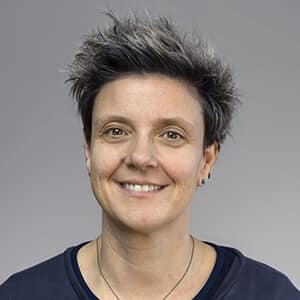
Marialena Vagia

Your organization field and mission

SINTEF’s field is applied research and technology development, and its mission is to create technology for a better society.  SINTEF researchers focus on combining research excellence with real‑world challenges, ensuring that our scientific work leads to practical, impactful solutions.

Please tell us briefly about your role in the company / at your organization

I work as a Senior Researcher at SINTEF, focusing on applied research that addresses real‑world industrial and societal challenges. My work combines scientific methods with practical problem‑solving, including developing and evaluating new technologies, collaborating with industry partners, and translating research results into solutions that can be implemented in practice.

Your interest in STEM

I’ve always loved mathematics. For as long as I can remember, I knew I wanted to work with numbers, logic, and problem‑solving. My interest in STEM didn’t have a specific starting point — it has simply always been there. I grew up wanting to become an engineer, driven by the excitement of understanding how things work and finding solutions to complex challenges. That early passion naturally led me into engineering and research, where I get to work with the things I’ve always enjoyed the most.

I never had one specific role model growing up, but I’ve always admired women who made a difference. I’m inspired by women who have fought for women’s rights, who have survived challenges, and who have thrived in male‑dominated fields. But it’s not only the well‑known figures who inspire me — I admire all women who push boundaries, create opportunities, and support each other. Their strength, resilience, and determination continue to shape my own path.

Your studies

I never had one single role model, but I’ve always been deeply inspired by women who make a difference. Growing up, I admired women who stood up for women’s rights, who refused to be limited by expectations, and who found the strength to thrive in male‑dominated fields.

But my role models aren’t only the famous ones. I’m equally inspired by everyday women — women who work hard, who support each other, who overcome challenges quietly, and who keep going even when things are difficult. Their resilience, courage, and determination have shaped how I see myself and the kind of person I want to be.

Just do it. There’s nothing to overthink, if you’re curious and motivated, go for it.

You at work

We are committed to diversity, equity, inclusion, and sustainability (DEIS) across our activities. This includes promoting gender balance and equal opportunities in hiring and project participation, encouraging diverse perspectives in research and innovation, and maintaining an inclusive and respectful workplace culture. Additionally, sustainability is embedded in our work, with a focus on responsible innovation and long-term environmental and societal impact.

I’m most proud of making things happen—bringing people together, navigating complexity, and turning ambitious ideas into real projects (even under tight deadlines!).

Your point of view

For me, technology has been a powerful enabler. It has opened opportunities to collaborate internationally, contribute to meaningful projects, and have a voice in shaping solutions. I believe real empowerment comes when women are not just users of technology, but also active creators of it.

We need you! Your ideas, perspectives, and skills are essential for shaping the future of this sector.

To finish with

I value being curious, working well with others, and actually getting things done.

Trying to do things well without overcomplicating them, and learning to say no when needed.

I just want to keep growing, doing interesting work, and being part of projects that matter.

The current activity has been implemented in the framework of the Project: Code4Europe,
GA Number: 101158834. Official project website : 
https://codeweek.eu/ 
[ March 26, 2026 by ECWT 0 Comments ]

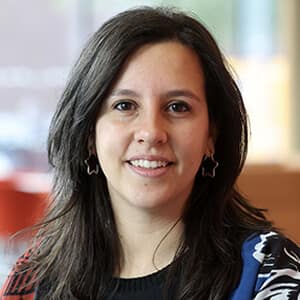
Maria Jose Galvez Trigo

Your organization field and mission:

Cardiff University’s key sectors are arts, humanities and social sciences, biomedical and life sciences, and physical sciences and engineering, and its mission is to create and share knowledge and educate for the benefit of all.

Please tell us briefly about your role in the company / at your organization:

At Cardiff University, I am a Lecturer (Assistant Professor) in Computer Science and Deputy Director for Equality, Diversity and Inclusion at the School of Computer Science and Informatics. I lead research projects on robotics and AI in health and social care, and I am Co‑Investigator and Executive Board member of the UK Robotics and Autonomous Systems (UK‑RAS) Network.

Your interest in STEM

My interest in STEM started at home, long before I knew what the acronym meant. My dad worked as a programmer and was passionate about informatics, so he was the first person to explain to me what a computer was and what it could do. As I grew older and started to show a genuine curiosity about technology and how things work, both my dad and my mum consistently encouraged me to follow that interest. Their support and enthusiasm for my curiosity were key in my decision to study Computer Science and Engineering, which became the foundation for my career in robotics and human-robot interaction.

My first role model was my dad. He showed me how exciting technology could be and encouraged me to believe that I could build a career in this field. As my career developed, I found new role models, including my late PhD supervisor, Professor Penelope Standen, whose dedication to improving the lives of people with learning disabilities through technology deeply influenced my work and values. Today, I am inspired by anyone who is bold enough to innovate, challenge the status quo, and follow their dreams, especially in ways that make STEM more inclusive and socially impactful.

Your studies

During my studies, one of my biggest challenges was dealing with self‑doubt and being made to feel I was not good enough, often linked to being a woman in STEM. Following a non‑traditional path (doing a part‑time PhD while working full‑time, after time in industry) and not fitting the ‘expected’ academic trajectory meant I was repeatedly required to prove my worth and fight stereotypes, while living in another country and away from my main support network. At the same time, I faced periods of job insecurity and delayed building a family until I felt more stable and established in my field. These challenges were difficult, but they also strengthened my resilience and now drive my commitment to making academic careers more inclusive and supportive for others.

My advice to girls and women who want to study in my sector is: your curiosity and motivation are enough reason to be here, even if you do not fit the stereotype. Seek out mentors, peers and communities that support you, and remember there is no single ‘right’ path into robotics, AI or computer science. Your perspective as a woman is not a weakness but a strength the field needs to create more inclusive technologies.

You at work

At Cardiff University there is a strong institutional focus on Equality, Diversity, Inclusion and Sustainability, with university‑wide EDI policies, awareness training and a clear sustainability strategy. In my School, I contribute as Deputy Director for EDI, and I am part of the management team for EMPOWER, a university-wide network supporting current and aspiring women Principal Investigators. My research on accessible, human‑centred robotics and AI also supports the University’s inclusive and sustainable innovation goals.

I am proud of every step I have taken in my career, and I am actively learning to recognise and celebrate each achievement instead of playing them down. I am especially proud of being a mum in a demanding field like robotics and AI, and of showing that it is possible to build a research career while caring deeply about family. I am also proud that my work and leadership roles focus on making robotics and AI more inclusive and accessible, and on helping create a more supportive environment for the next generation of diverse researchers.

Your point of view

Technology can empower women by giving them flexible access to education and skills, opening up new career and leadership opportunities, and connecting them with supportive networks and role models. When designed in a human‑centred and inclusive way, it also amplifies women’s voices and needs, enabling them to shape the technologies and decisions that affect their lives.

My advice to girls and women who want to work in this sector is to back your skills and keep learning, even when others underestimate you. Look for workplaces, teams and leaders whose values align with yours and where you feel respected, and do not be afraid to change environments that hold you back. Build and nurture your network (mentors, collaborators and peers) and remember that your lived experience and ideas are exactly what we need to create robotics and AI that work for everyone.

I would like DEIS in robotics and AI to move from isolated initiatives to being built into how we design technologies, build teams and measure success. By 2030, I want diverse voices, including women and other under‑represented groups, to be genuinely represented and empowered at every level of the sector, from students to leadership, so that our systems are fair, trustworthy and sustainable for the people and communities they serve.

To finish with

My core values are curiosity, empathy and integrity. I care about using robotics and AI in human‑centred, inclusive and accessible ways, and I value collaboration and community so others can thrive.

One of my main future challenges is growing my family while living in another country, away from my own support network, and at the same time continuing to establish myself as a leader in my field. Balancing these two ambitions in a demanding, fast‑moving sector will require setting clear boundaries, building strong local support systems and advocating for more family‑friendly, inclusive practices in academia and robotics.

I hope that by 2030 I will have consolidated my position as a recognised leader in human‑centred robotics and AI, ideally progressing towards (or into) a professorial role. I would like my work to have a clear impact on how accessible and inclusive technologies are designed and deployed, and to be in a position where I can use my experience to support and mentor the next generation of diverse researchers and practitioners in the field.

The current activity has been implemented in the framework of the Project: Code4Europe,
GA Number: 101158834. Official project website : 
https://codeweek.eu/ 
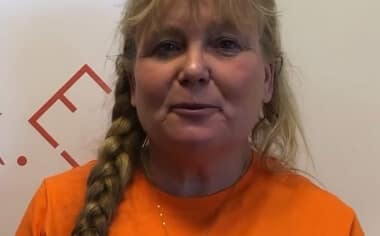
[ October 15, 2025 by ECWT 0 Comments ]

Annie Bergh

Your organization field and mission:

I work at the Department of development in the city of Malmö. The Development Department of the City of Malmö works to ensure “Varje elevs bästa skola” – Every Student’s Best Possible School.
Our mission is to support schools in providing high-quality, equitable, and future-oriented education for all learners. We strengthen schools through innovation, inclusion, digitalisation, and international collaboration — always with the student’s learning, wellbeing, and participation at the centre. By building bridges between research, practice, and policy, we help teachers and leaders develop sustainable practices that prepare students for an increasingly digital, interconnected, and rapidly changing world.

Please tell us briefly about your role in the company / at your organization:

As an International Coordinator at the Development Department of the City of Malmö, my mission is to connect innovation, inclusion, and international collaboration in education — turning global opportunities into local impact and vice versa.
I coordinate several Erasmus+ KA2 partnerships and lead Malmö’s Erasmus+ KA1 Accreditation consortium for schools with students age 6 – 16, enabling around 100–150 teacher and student mobilities each year. These projects strengthen our schools’ work with digital transformation, sustainability, and equity in education.
I currently serve as President of the EU Code Week Council, as well as an EU Code Week Ambassador and eTwinning Ambassador, promoting creativity, coding, and collaboration across Europe. For seven years, I were the regional project leader for the FIRST LEGO League finals in Skåne/Malmö, empowering students to explore STEM, innovation, and teamwork, up until 2023. As the person responsible for Malmö’s work with NAO robots, I have spent nearly a decade using robotics to enhance language learning, reading motivation, and inclusion for students aged 6–19. I learned programming myself through this work — together with teachers and students — which strengthened my belief that learning should always be collaborative, playful, and human-centred. In addition, I design and host international training courses, study visits, and dissemination events in Malmö to share results, inspire others, and build long-term partnerships. My goal is to empower both educators and students to see themselves as changemakers shaping Europe’s digital and sustainable future.

Your interest in STEM

My interest in STEM grew naturally through my work — by learning with and from students. Seeing their curiosity, creativity, and problem-solving skills develop sparked my own fascination. Over time, working hands-on with our NAO robots deepened that passion; programming and experimenting alongside teachers and students taught me that technology can be both empowering and profoundly human.

International collaborations through Erasmus+ projects, eTwinning, and EU Code Week have also shaped my understanding of how STEM can unite people across cultures. For me, STEM is not just about science and technology — it’s about curiosity, creativity, and collaboration as driving forces for positive change.

I have been fortunate to meet many inspiring people who have shaped my professional journey. One of the first was Leila Khammari, a visionary STEM and STREAM advocate and founder of STREAM Scandinavia, whose work connects education with industry and opens doors for young people in technology and innovation.

Another is Sumita Batharrayya from Vellinge, whose leadership and dedication to creativity, equity, and lifelong learning continually remind me that courage and compassion are the foundation of all meaningful change.

I am also deeply inspired by Professor Chunfang Chen from the University of Southern Denmark, whose research into creativity, innovation, and engineering education has profoundly influenced how I view learning as a shared, evolving process between research, practice, and policy.

And, perhaps most powerfully, Team Amaryllis from Malmö — a group of extraordinary students who have represented Sweden in both the Scandinavian and World Finals of the FIRST LEGO League. Their creativity, teamwork, and perseverance embody everything that education should nurture.

Together, these individuals — educators, researchers, and students — remind me daily that inspiration flows in all directions. Real change happens when we listen, learn, and create together.

Your studies

My biggest challenge has been stepping into the world of digitalisation and technology from a non-technical background. As a teacher of languages, social science, and core values, learning to master digital tools, programming, and leading digital development was at first overwhelming. The learning curve was steep — and many times, the struggle felt very real.

But these challenges became my greatest teachers. They taught me perseverance, curiosity, and the importance of learning together with others. Today, this journey allows me to bridge disciplines and help other educators see that technology isn’t only for “tech experts” — it’s a creative language that anyone can learn to speak.

My advice is: don’t wait until you feel ready — start, and learn as you go. You don’t need to be a “tech person” to belong in this field. Curiosity, creativity, and empathy are just as valuable as coding or engineering skills.

Surround yourself with people who lift you up, ask questions fearlessly, and never apologise for wanting to understand how things work. Technology and innovation need diverse voices — and your perspective matters.

And remember: every time you doubt yourself, someone else is waiting to see someone like you succeed. Be that person — for yourself, and for the girls who will come after you.

You at work

The City of Malmö’s Development Department works strategically with diversity, equity, inclusion, and sustainability (DEIS) in every aspect of our mission — guided by the vision “Varje elevs bästa skola” (“Every student’s best possible school”).

Our work is strongly aligned with the UN Sustainable Development Goals (SDGs). We empower schools and students to take real action for sustainability through authentic, cross-curricular learning experiences. One of our key initiatives is InnoCarnival, where students develop innovative solutions to real global and local challenges, learning to see themselves as active changemakers.

Through international Erasmus+ projects such as UNITY, ECO-STEAM, and M-STEM, we integrate sustainability, digital literacy, and global citizenship into everyday teaching and learning. Inclusion and equity are at the heart of all our activities — from school-dog pedagogy supporting emotional inclusion to NAO robotics inspiring reading motivation and curiosity in students of all ages.

Sustainability for us means more than environmental responsibility — it also includes social and digital sustainability: building resilient, inclusive, and future-ready schools where every learner can thrive and contribute to a better world.

What makes me most proud is seeing how technology can reconnect, empower, and include students who might otherwise be left out.

I initiated the introduction of AV1 telepresence robots in Malmö, and for seven years I worked with schools to make sure children who could not physically attend school — due to illness, anxiety, or other circumstances — could still be present, learn, and stay part of their class community. The impact was profound: friendships continued, learning progressed, and belonging was restored.

I also initiated Malmö’s long-term work with NAO robots, using them to support language learning, reading motivation, and inclusion among many other initiatives  from ages 6 to 19. Watching teachers and students discover new ways to learn together — across subjects, cultures, and abilities — is what continues to inspire me every day.

For me, true innovation is not about technology itself, but about how it helps us stay human, connected, and hopeful.

Your point of view

Technology can be one of the most powerful tools for equity and empowerment — when access, skills, and confidence are shared equally. It opens doors for women to learn, connect, and lead on their own terms. For me, empowerment begins with visibility and voice. When women design, code, innovate, and lead projects, they reshape what technology looks like — and who it is for. Technology allows women to collaborate across borders, challenge stereotypes, and create new opportunities not only for themselves but for others who follow.

In education, I’ve seen how girls gain confidence when they realise they can build robots, program code, or lead a digital project. The key is not just teaching technology — it’s inviting women and girls to see themselves as creators of it. That’s how technology becomes truly transformative: when it helps everyone participate equally in shaping the future.

My advice is simple: believe that you belong here — because you do. You don’t need to fit a certain profile or have a technical background to make an impact in technology and education. Curiosity, creativity, and empathy are your greatest strengths.

Start small, stay curious, and don’t be afraid to ask questions or make mistakes — that’s how real learning happens. Surround yourself with people who share knowledge generously and lift each other up.

This field needs more women’s perspectives, voices, and ideas. We design better solutions when more people are included in shaping them. So take your place — not quietly, but confidently — and remember: the future of technology is brighter when you’re part of it.

By 2030, I hope diversity, equity, inclusion, and sustainability (DEIS) are no longer seen as separate goals — but as the foundation of how we design education and technology. I want every student, regardless of gender, background, or ability, to have equal access to meaningful digital learning experiences. Technology should not widen gaps — it should close them. That means designing tools, policies, and learning environments that are accessible, inclusive, and sustainable from the start.

I also hope that by 2030, we see more women and underrepresented groups in leadership roles across education and technology, shaping decisions and innovations that reflect the diversity of our world. In short, I want DEIS to move from being a vision to being our shared reality — where every learner, teacher, and innovator can thrive and contribute to a better, more sustainable future.

To finish with

My core values are inclusion, curiosity, collaboration, empathy, wellbeing, and building relations. For me, everything begins with building meaningful relations — creating trust, understanding, and a sense of belonging between people. Strong relationships are the foundation of learning, leadership, and innovation. I believe education should open doors for everyone, helping each learner feel seen, valued, and capable. Curiosity drives creativity, and learning should be a joyful, lifelong process that grows through collaboration.

Empathy and wellbeing — including digital wellbeing — are equally important. Technology should strengthen human connection and support balance, not replace it. These values guide my work every day, reminding me that the true goal of innovation is not efficiency, but human connection, growth, and hope.

One of my future challenges will be to continue balancing rapid technological change with the human dimension of education — ensuring that digital transformation always serves people, not the other way around. As technology evolves faster than ever, I want to keep developing my own digital skills while staying grounded in empathy, inclusion, and wellbeing. Another challenge is to build sustainable systems for innovation — where creativity can thrive without overwhelming teachers or students.

I also see it as a personal mission to keep building relations across sectors and countries, creating bridges between education, research, and industry. Staying curious, open, and humble in this process will be both my biggest challenge — and my greatest strength.

By 2030, I hope to work even closer to students — empowering them, amplifying their voices, and helping them realise the power they have to shape the world. I want to continue supporting young people, but from a broader perspective than within a single school system.

I believe deeply in the voice of youth and the importance of creating platforms where they can influence, innovate, and lead. My goal is to work in a larger, international context — beyond the municipality — where my experience, creativity, and collaborative mindset can be used to drive positive change on a wider scale. I know that I can do so much more than I am doing today for more students than I reach today through my work: 36 000 in Malmö can easily be scaled up working in another context. I see myself connecting education, innovation, and policy in new ways, ensuring that digital transformation and inclusion go hand in hand — and that every young person feels seen, heard, and capable of making a difference.

The current activity has been implemented in the framework of the Project: Code4Europe,
GA Number: 101158834. Official project website : 
https://codeweek.eu/ 
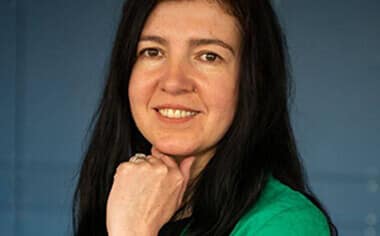
[ October 14, 2025 by ECWT 0 Comments ]

Olha Doskochynska

Your organization field and mission:

The mission of our lyceum: To develop and form in students the key competencies necessary for the successful life of a holistic and competitive personality.
The vision of our lyceum: The educational environment of the Ivan Pulyuy Lyceum ensures the comprehensive development of the student, contributing to the formation of his ability to independently determine his trajectory and actively take care of his development.
Graduates of our lyceum have a high level of knowledge and are able to realize their potential in relationships with other people, as well as in professional and personal life.

Please tell us briefly about your role in the company / at your organization:

My role as a teacher is to prepare students for the digital future, developing in them not only technical skills, but also critical thinking, creativity and responsibility, to inspire, help find knowledge, form STEM and digital literacy and prepare for the realities of the information society.

Your interest in STEM

Back in 2016, my students and I created a STEM project called “Flower Watering Robot” using Arduino kits and sensors. And this result inspired me to develop STEM. That was the beginning. Now we are actively involved in STEM projects.

My first role model was my mathematics teacher. Thanks to her, I developed an interest in science, particularly in mathematics and physics. Later, my own students became my source of inspiration – their eagerness to create STEM projects motivates me to keep going, support them in bringing their ideas to life, and nurture their love for science. Today, I strive to be a role model for younger teachers, sharing my experience and involving them in STEM initiatives both at our lyceum and at national and international levels.

Your studies

During my studies, one of my biggest challenges was overcoming the lack of practical opportunities and modern equipment to explore technology. I was passionate about computer science and physics, but access to resources was limited, which meant I had to rely on creativity, self-learning, and collaboration with others to gain practical experience.
From a SWOT perspective:
Strengths: strong motivation to learn, persistence, and curiosity about how technology can solve real-world problems.
Weaknesses: limited access to modern tools and mentors in the STEM field.
Opportunities: participation in teacher training programs, online communities, and international STEM initiatives.
Threats: gender stereotypes in technology and the lack of role models for young women in STEM.
These challenges motivated me to become not only a teacher but also a mentor and leader in STEM education -helping students and colleagues develop their own innovative projects and believe in their potential.

My advice to girls and women who want to study in STEM fields is to believe in your abilities and never let stereotypes define your path. Creativity and perseverance are more important than perfection. Don’t be afraid to make mistakes, ask questions, experiment – because that’s how innovation happens. Surround yourself with people who support you, mentors, and a community that inspires you to grow. Remember that your perspective and ideas are valuable, and the STEM world needs your voice and vision.

You at work

In our organization, we actively promote Diversity, Equality, Inclusion and Sustainability (DEIS) through education and empowerment for girls. We create equal opportunities for girls and women in STEM by organizing workshops, mentoring programs and leadership trainings. Our projects focus on inclusive education, psychological well-being and digital literacy for teachers and students. We also encourage sustainable development by integrating eco-STEM themes and digital tools that facilitate responsible innovation.

I am most proud of creating opportunities for students and teachers to explore innovation and technology through STEM educational initiatives. Seeing young people develop critical thinking, creativity, and confidence in their abilities, especially girls who begin to believe that they can be leaders in technology and science, has been the most rewarding part of my job. Together with the students, they joined the CodeWeek initiative, Girls Go Stem, Involved girls in the Young Inventors Club, engaged in robotics club.

Your point of view

Technology empowers women by giving them access to education, skills, and networks that open new opportunities. It allows women to work flexibly, start businesses, and share their voices with the world. In this way, technology helps women lead, innovate, and create real change in their communities.

My advice to girls and women aspiring to work in technology is to embrace curiosity and resilience. Participate in initiatives like Girls in Code Week to gain hands-on experience and connect with inspiring role models. Remember, the digital world thrives on diverse perspectives, and your unique voice can drive meaningful change. Start small, stay consistent, and never underestimate the power of your ideas.

I hope that by 2030, regardless of gender or background, there will be equal access to digital education and opportunities. I want to see more women and girls leading, innovating, and shaping the tech sector. Inclusion and digital skills should become a natural part of everyday learning and work.

To finish with

My core values ​​are inclusion, curiosity, and empowerment. I believe in creating opportunities for everyone to learn, grow, and make a positive impact. I strive to lead with integrity and inspire others through education and technology.

А future challenge for me will be keeping up with fast-changing technology while making sure my work stays meaningful and inclusive. I also want to balance leadership with hands-on involvement in projects that empower students and communities. Finally, collaborating across diverse teams and continuously learning will be key to overcoming these challenges.

By 2030, I aim to expand my work in technology, education, and social impact, creating inclusive digital learning opportunities. I want to empower the next generation, especially girls and underrepresented groups in tech, while growing in both professional impact and personal fulfillment.

The current activity has been implemented in the framework of the Project: Code4Europe,
GA Number: 101158834. Official project website : 
https://codeweek.eu/