
[ March 24, 2026 by ECWT 0 Comments ]

Christina Kartsiotou

Your organization field and mission:

TO HELP OUR CUSTOMERS SUCCED IN THEIR DIGITAL TRANSFORMATION JOURNAY.

Please tell us briefly about your role in the company / at your organization:

Management Consultant at Euroaxes Group of companies, with a focus on guiding the Group, through strategic planning, operational improvement and digiatal transformation to ensure efficiency, competitiveness and long term growth, while also supporting tech startups on a voluntary basis.

Your interest in STEM

As a child, I was fascinated by two things: solving mathematical puzzles and watching science-fiction movies about futuristic technologies. I loved imagining futures shaped by innovation and at the time, I had no idea these passions would shape my career. But they did and they led me into the world of technology and digital innovation. 

The first was my brother. He is a true IT guru, and growing up I watched him work with computers and solve problems that seemed impossible.
But more importantly, he was the person who showed me that I could enter this world too.
He gave me the opportunity to become an entrepreneur, and together we started our first startup. His passion for technology and his confidence encouraged me to take that first leap into the world of tech entrepreneurship. Today, I am inspired by the ambition, creativity, and innovation of the AI startups I mentor.

Your studies

I was drawn to programming and computers at a time when the biggest challenge was that access to technology was still extremely limited. In the 1980s, at university, computing was mostly theoretical because there were no computers yet. But that very limitation made the vision even more compelling: the idea that you could give instructions to a machine and make it do something. Then came another challenge: a long university occupation. While many students saw it as lost time, I chose to see it as an opportunity. I decided to use that period creatively and enrolled in a private school to study programming and computer science. There, I met incredible teachers — not only excellent professors, but true mentors who inspired me, challenged me, and encouraged me to explore. For the first time, I worked on real computers. I applied what I was learning, I experimented, I failed, and I learned.

My advice to girls and women pursuing studies in technology is: stay curious, explore widely, and don’t be afraid to tackle challenging subjects. Build strong foundations, ask questions, and seek guidance from mentors — every bit of learning is a step toward shaping your future in tech.

You at work

Our organization takes DEIS seriously — Diversity, Equity, Inclusion, and Sustainability guide everything we do. From mentoring underrepresented talent and running unconscious bias training and employee resource groups, we aim to create a workplace where everyone can thrive. For example, in our Technical Operations department, 50% of middle management positions are held by women.

One of my proudest achievements was creating the Cosmote TV Sales Directorate. The team started with 250 employees, many over 50, some with no prior sales experience — and even more who were considered “surplus.” Through training, trust, and teamwork, they not only exceeded targets but also won awards, proving that anyone can learn, adapt, and succeed when given the opportunity. This is a great example of DEIS in action: embracing diversity, fostering inclusion, ensuring equity, and giving everyone a chance to thrive.

Your point of view

Technology can empower women by giving them access to information, education, and opportunities that were previously out of reach. It enables flexible careers, supports entrepreneurship, amplifies voices through networks and platforms, and provides tools to solve real-world problems. When women harness technology, they can innovate, lead, and create impact on a scale that benefits not just themselves, but entire communities.

Follow your curiosity, trust your ideas, and take action. Do not wait until everything feels perfect. Learn by doing, experiment, and embrace challenges. If you fail try again
Don’t let stereotypes, doubts, or societal expectations limit you.
Your ideas, your vision, and your leadership are exactly what the digital world needs.
Seek mentors and mentoring programs. Build networks. Surround yourself with people who inspire you.Take calculated risks. Keep learning. Be persistent. Be fearless.
Because when you follow your true calling, you’re not just creating a business —you’re creating opportunities, impact, and inspiration for the next generation.
So step forward. Start now and enjoy the journey.

By 2030, I hope the tech sector will be a place where DEIS principles are fully realized, where diversity is reflected at every level, equity ensures equal opportunities for all, inclusion is the norm, and sustainability guides innovation. I want women and underrepresented groups to thrive, ethical practices to be standard, and every professional to have the tools and support to leave a positive impact on society.

To finish with

I believe in building environments guided by core values: integrity, fairness, and responsibility. I embrace diversity by welcoming different perspectives, pursue equity to ensure everyone has access to opportunities, foster inclusion so every voice is respected, and champion sustainability to create lasting positive impact for people and the planet. These principles shape how I mentor, lead, and contribute to the tech community.

One of my future challenges is to continue growing as a leader while staying true to my values of integrity, fairness, and responsibility. With over 40 years in the sector, I want to stay actively present in technological developments, mentor and empower the next generation, and drive meaningful change — ensuring that every decision I make leaves a positive impact on society. Balancing ambition, continuous learning, and social responsibility will be my ongoing challenge.

By 2030, I hope my career will have evolved into a role where I continue to lead and mentor, while staying actively engaged with the latest technological developments. I aim to leverage my 40+ years of experience to drive innovation, champion DEIS principles, and leave a lasting positive impact on both my organization and society. Ultimately, I want to grow as a professional who not only adapts to change but shapes it responsibly.

The current activity has been implemented in the framework of the Project: Code4Europe,
GA Number: 101158834. Official project website : 
https://codeweek.eu/ 

[ March 24, 2026 by ECWT 0 Comments ]

Dimitra Vasilia

Your organization field and mission:

Schuman Associates is a leading EU funding and public affairs consultancy with an outstanding track-record of securing EU and public sector funding for our clients. Headquartered on the European Commission’s doorstep in Brussels, and a stone’s throw from the EU institutions, we have over three decades of close ties and expertise working with our EU partners, and unrivalled access to high-level EU stakeholders.

Schuman Associates launched the Skills Coalition in response to a major gap in EU-level policy dialogue: the absence of a unified platform bringing together a broad spectrum of stakeholders with deep expertise in upskilling, training, and reskilling.

The Schuman Associates Skills Coalition successfully brought together 27 organisations including major EU sectoral associations, academic institutions and private sector actors, who are committed to promoting skills and quality jobs and enabling good match between skills and labour market demands essential to underpinning competitiveness across all sectors, taking into account the challenges posed by the Green and Digital transition.

Please tell us briefly about your role in the company / at your organization:

I lead Public Affairs and Communications activities at Schuman Associates, with a strong focus on digital policy and skills development at the European level. I am particularly passionate about contributing to initiatives that foster connectivity, innovation, education and skills, and digital inclusion across Europe.

I also lead the Schuman Associates Skills Coalition that serves as Co-Chair of the Advisory Committee of the European Parliament Intergroup on the Future of Education and Skills for a Competitive Europe, where I contribute to strategic dialogue and stakeholder engagement on education and skills with focus on the green and digital transitions.

In addition, I am the Communications Manager for the Broadband Competence Offices Network Support Facility, supporting knowledge exchange and capacity building among Member States in the field of digital connectivity. I also act as Project Lead for the 5G for Smart Communities Support Platform, helping to accelerate the deployment of large-scale 5G pilots across Europe.

Your interest in STEM

My interest in STEM started already in school when I was very much interested in math and chemistry. Later on I chose European Union Studies and political communication to focus on.

I have many role models and professors from my University Studies and school years including professors in philosophy, law and literature.

Your studies

My biggest challenges during my studies was achieving depth across all subjects, as my studies spanned a wide range of disciplines, including law, political communication, project management and EU policies.

Don’t be discouraged if your path doesn’t fit neatly into one category – careers at the intersection of policy, technology, and communication are increasingly valuable. Stay curious and build a strong foundation across disciplines, even if it feels challenging at times. Confidence grows with experience, so speak up, take initiative.

You at work

Schuman Associates is a participant in the UN Global Compact and actively supports its principles on diversity, equity, inclusion, and sustainability. We have also been involved in numerous EU-funded projects and initiatives that promote diversity and inclusion, with a particular focus on empowering women and girls.

One of my proudest achievements has been the creation of the Schuman Associates Skills Coalition, as well as supporting the establishment of the first European Parliament Intergroup on the future of education and skills for a Competitive Europe.

Your point of view

Technology helps women access education, build skills, and connect with opportunities no matter where they are. It also opens doors to leadership, entrepreneurship, and having a stronger voice. Technology also helps women connect, learn from each other, and support one another, opening up more opportunities along the way.

Gender disparity is a reality in STEM and especially the tech sector. Seek out mentors and supportive networks – they can open doors, provide guidance, and remind you that you belong in these spaces.

By 2030, I would like diversity, inclusion, and sustainability to be a natural part of how the tech and digital sectors work. This means more women and underrepresented groups in leadership, equal access to digital skills and opportunities, and technologies that are designed to be inclusive from the start. I would like to see more women driving tech in Brussels.

To finish with

Openness, a positive mindset, creativity, and resilience guide my work and approach. I value collaboration, staying curious and solution-oriented, thinking creatively to address challenges, and remaining resilient in the face of complexity and change.

One of my key challenges will be staying adaptable in a fast-changing digital world, especially with the rise of AI, while still creating meaningful impact. I believe that, no matter how advanced technology becomes, it can’t replace creativity, imagination, or real human connections and that’s where the real magic happens.

By 2030, I hope to grow into a stronger leadership role, continuing to build bridges between policy, technology, and people, and contributing to impactful digital and skills initiatives at the European level.

The current activity has been implemented in the framework of the Project: Code4Europe,
GA Number: 101158834. Official project website : 
https://codeweek.eu/ 
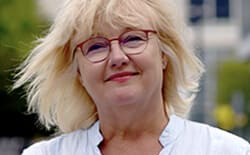
[ February 23, 2026 by ECWT 0 Comments ]

Marianne Andersen

Your organization field and mission:

Everything within STEM Science technology engineering mathematics.

Please tell us briefly about your role in the company / at your organization:

I founded High5Girls in 2018 as I have seen a lack of women in tech working as an engineer for 30 years in global corporate companies within medtech – and having been the only woman in the class when I studied engineering.

Your interest in STEM

After gymnasia where I studied languages when I had a young STEM teacher in physics, chemistry, programming and mathematics.

Your studies

I love to learn – when I studied electronics and was the only girl in the class I had to find some friends in the class… but they were all good guys and the teachers too.

Just do it – and if you need support from other women contact High5Girls or other organizations that can give you the help you need. And if you do not need any help then I think you have an obligation to help those girls/ women that need help to be in a male dominated sector.

You at work

Our focus is to get girls/ women interested in STEM – and not only that – we have learned that many girls keep away from STEM because they think it is for boys only or they think they are not good enought despite they are. Apart from this we always work with UN 17 goals whenever we do activities ( better health, clean water etc).

I have had an amazing career in Corporate and I loved it. 8 years ago I got tired of corporate life and formed High5Girls which has become an amazing association with lots of amazing supporters, role models, happy girls and parents. Right now I am very proud of this achievement.

Your point of view

It can give women a nice income – and if we get more women into the “stearing room” we will have more solution to women´s issues like health care issues. Also we need women in AI in order to change status quo as AI just tell things as they are today and then nothing will be changed.

It is amazing to work with STEM – interesting, challenging, it is about helping people and you are payed a good salary.

Equality 100% taking into consideration that men and women are not equal but we should have equal rights, salary for same jobs etc.

To finish with

Honesty, If you want a change – make it or do what you can to change it , be responsible, be good to other people, take good care of the nature.

To get more girls to see STEM is for them. To make teachers and parents se they have a huge responsibility in making this change.

I hope in 2030 High5Girls are in 10 different EU countries.

The current activity has been implemented in the framework of the Project: Code4Europe,
GA Number: 101158834. Official project website : 
https://codeweek.eu/ 
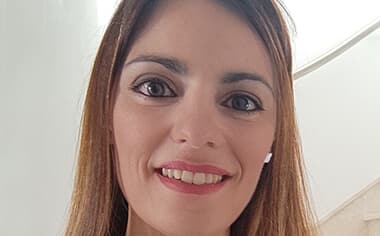
[ October 28, 2025 by ECWT 0 Comments ]

Maureen Sciberras

Your organization field and mission:

The Directorate for Digital Literacy & Transversal Skills (DDLTS) in Malta is dedicated to empower learners of all ages with the digital competences they need to succeed in the 21st century world. With a focus on collaboration, communication, creativity, critical thinking, citizenship and computational thinking, the DDLTS leads national initiatives in digital learning, supports educators in integrating technology into teaching and drives forward Malta’s digital education agenda. This year a new national Digital Education Strategy (covering 2025-2030) was launched by the Directorate which includes measures such as one device per student, greater educator training in digital tools and AI and a focus on inclusive access to technology for all learners. 

Please tell us briefly about your role in the company / at your organization:

As a Digital Literacy support educator, I work closely with educators to help them integrate digital tools and technologies into their teaching and learning practices. This involves providing one-to-one support, delivering tailored training sessions and developing resources that align with the national digital literacy strategy. I occasionally also deliver hands-on workshops directly to students to introduce them to emerging technologies such as VRs, coding and artificial intelligence.

Your interest in STEM

Unlike many, my journey into STEM didn’t begin in childhood. During my primary and secondary education, opportunities to explore coding or STEM subjects were limited. It was at university, while preparing for teaching practice, that I was introduced to the world of Web 2.0 tools and realised the potential of digital technology in education. That initial spark grew stronger during my teaching years, eventually leading me to join the digital literacy team, where I could work more closely with digital technologies.

As a Digital Literacy support teacher, my passion for technology deepened even further—supporting educators in integrating tools like VR sets, coding platforms, and AI into their classrooms made me realise the transformative impact of technology on teaching and learning. These hands-on experiences not only enhanced my own understanding but reinforced my commitment to making STEM more engaging and accessible for both teachers and students.

The first figure in STEM who truly inspired me was Ada Lovelace. Her courage to pursue her passion for mathematics—despite societal limitations—reminds me that women have always had a place in STEM, even when that space wasn’t acknowledged. As someone who came into STEM later in life, her story encourages me to keep learning and pushing boundaries. She showed me that innovation often begins with curiosity and the bravery to see things differently.

Another person who truly inspires me is Reshma Saujani, founder of Girls Who Code. Her dedication to closing the gender gap in technology resonates deeply with me, as I also strive to empower girls and women through digital literacy and STEM education. Organisations like this  motivates me to keep working toward making STEM accessible and exciting for all learners, especially those who might not otherwise see themselves represented in this field.

Your studies

One of my strengths during my studies was strong self-motivation and resilience. I began my Masters’ degree just as I returned to work from maternity leave—with a six-month-old baby at home. Balancing academic work, professional responsibilities, and motherhood required determination and focus. A weakness I faced was my limited early exposure to STEM, which meant I had to put in extra effort to build my knowledge and skills later in life. Fortunately, I was eager to learn and welcomed every opportunity to improve, attending online on onsite professional development opportunities that arose.  This was not always easy considering that I live on an island and most of these opportunities are offered in mainland Malta. A major threat I continue to navigate is the challenge of caring for my daughter, who has a severe disability and is fully dependent on me. This has shaped my perspective and made me even more determined to stay abreast of developments in STEM—especially those that can help improve my daughter’s quality of life.

My advice to girls and women who want to pursue studies and careers in STEM is to stay curious, be brave, and never underestimate the power of your ideas. Reshma Saujani encourages us to “be brave, not perfect,” reminding us that it’s okay to take risks and learn from failure along the way. Be resilient and never give up despite all the challenges.

You at work

We are committed to promoting gender diversity in the tech field by actively encouraging and supporting girls to explore coding and digital skills. In fact, one of the strategic measures under the Digital Education Strategy is to provide learners with training in crucial areas such as the digital divide, career roles in IT, and the vital issue of gender equality within technology-related professions. As a woman teaching digital technology and coding, I’ve seen how my presence alone can make a significant impact; many girls feel more confident and motivated when they see someone like themselves in this role. It helps challenge the stereotype that tech is only for boys and reinforces the message that digital technology is a space where girls belong and can thrive.


My organisation helps promote equitable access to digital education by contributing to community events like Code Week and Digital Literacy Week which is organised by my Directorate.  The One Device Per Child program, which has been extend to students in Years 7, 8, and 9 helps bridge the digital divide by equipping all learners—regardless of their socioeconomic background—with the necessary tools to fully participate in digital education. This also includes neurodiverse learners to foster an inclusive and accessible environment to help every learner build confidence in their technological abilities. Through our involvement in various eTwinning projects, we encourage the integration of digital tools in cross-curricular learning. These projects not only enhance digital competence among students but also foster collaboration across countries, helping young people understand their role in addressing global challenges through innovation and responsible digital practices.

I take great pride in supporting continuous learning for educators, helping them build confidence and skills in integrating technology effectively into their teaching. During subject meetings, I assist teachers by demonstrating how particular technologies can be effectively integrated into their curriculum to enhance student learning and engagement. By collaborating closely with teachers and schools, I ensure that digital tools are used thoughtfully to enhance learning experiences while fostering responsible digital citizenship. This also helps students develop the critical awareness needed to navigate the digital world responsibly and confidently.

Your point of view

Technology empowers women by increasing their representation in STEM fields and leadership roles, breaking down long-standing gender stereotypes. By providing access to digital education, technology creates pathways for women to enter and thrive in traditionally male-dominated industries. This visibility and participation help challenge societal norms about gender roles, inspire future generations, and promote greater gender equality in both the workplace and society at large. Through these opportunities, technology acts as a catalyst for empowering women to lead, innovate, and contribute fully to the digital economy.

Believe in your ability to succeed in the digital and technology sector—your voice and perspective are not only valuable but necessary. Don’t be discouraged by stereotypes or the lack of representation; instead, see yourself as part of the change. Take every opportunity to learn, stay curious, and don’t be afraid to ask questions or make mistakes—it’s all part of the journey. Most importantly, know that there is space for you in tech—not just to participate, but to lead, innovate, and make a real difference. An inspiring quote by Katherine Johnson who works in NASA says “Girls are capable of doing everything men are capable of doing. Sometimes they have more imagination than men.”

By 2030, I hope to see a digital education sector that fully embraces and reflects the principles of Diversity, Equity, Inclusion, and Sustainability. This means closing the digital divide so that every student—regardless of gender, background or ability—has equal access to high-quality digital tools, computational thinking skills, and opportunities. I would like to see more women and underrepresented groups not only participating in, but also leading, innovation in technology and education. Additionally, I hope there is a stronger focus on using digital learning to address global challenges, with sustainability embedded into both the content we teach and the way we use technology in schools.

To finish with

I believe that digital technology is not just a tool, but a fundamental part of education, innovation, and daily life in today’s world. The COVID-19 pandemic clearly demonstrated how essential technology is for staying connected, continuing education, and solving real-world problems. My values in STEM are rooted in ensuring that everyone—especially girls—has the opportunity to develop strong digital skills, understand how technology works, and use it responsibly. I strongly value accessibility, inclusion, and the power of technology to empower individuals. I am dedicated to supporting both learners and educators in using digital tools to create a more connected, resilient, and future-oriented society that continue in narrowing the digital divide gap and strive to make the best possible ethical use of the opportunities arising by AI and the emergent technology.

In my professional role with DDLTS, one of my key future challenges is keeping pace with the advances in coding and artificial intelligence (AI) and ensuring these developments are harnessed in an inclusive way. As technology evolves rapidly, I must continuously update my own expertise and guide both teachers and students in using these tools effectively. 

By 2030, I hope my career will have evolved to include a leadership role within digital literacy education, where I can influence policy and practice on a broader scale. I aim to be at the forefront of integrating emerging technologies like AI and coding into inclusive, accessible learning environments. Additionally, I plan to collaborate closely with educators across other STEM subjects to raise awareness and foster interdisciplinary approaches that highlight the importance of digital skills for all students. 

The current activity has been implemented in the framework of the Project: Code4Europe,
GA Number: 101158834. Official project website : 
https://codeweek.eu/ 

[ October 22, 2025 by ECWT 0 Comments ]

Roberta Trapani Maggi

Your organization field and mission:

The Curriculum Entitlement section, part of the Secretariat for Catholic Education, mission is to provide curricular guidance and support to school leadership teams and teachers in curricular and methodological matters. It strives towards helping teachers provide learning experiences which enhance the learning and progress of each and every child according to his or her potential in Catholic Schools in the Maltese Islands.

Please tell us briefly about your role in the company / at your organization:

As a Head of Department for Digital Literacy and Transversal Skills, with a focus on supporting educators in integrating STEM, AI, and computational thinking across the curriculum. My work centres on designing and promoting innovative learning experiences that help students develop digital competence, creativity, and critical thinking. As an EU Code Week Leading Teacher, and Scientix and eTwinning Ambassador, I coordinate activities that encourage inclusive participation in coding and emerging technologies, guiding both teachers and students to use digital tools responsibly and meaningfully in addressing real-world challenges.

Your interest in STEM

My interest in technology began in childhood, watching my father tinker with mechanical and electrical projects. I was fascinated by how things worked and spent hours exploring and learning beside him. That early curiosity grew into a lasting passion for engineering and STEM education.

My first role model was my dad, and a family friend who was an electrical engineer, now a University professor – a field that was largely male-dominated at the time. Today, I continue to draw inspiration from women who challenge expectations and shape the future with courage and determination. Even when working against the current, seeing small but visible changes reminds me that persistence matters. Their example motivates me to keep pushing boundaries in my own field and to create spaces where every learner feels confident to explore, innovate, and believe that their ideas can make a difference.

Your studies

One of my biggest challenges during my initial university studies was persisting and proving my value in a male-dominated course. Later, during further studies, the greatest challenge was balancing multiple responsibilities at once — managing my studies, work, and a young family, while striving to maintain a healthy work-life balance.

Have confidence in yourself and keep moving forward. The road can be tough, but persistence pays off. Let curiosity lead your mind, kindness guide your heart, and effort guide your hands. Remember, failure is part of learning — pause, reflect, and try again.

You at work

A few initiations from the Secretariat for Catholic Education (SfCE) Malta include:

Dialogic Literary Gatherings (DLG): Inclusive classroom discussions fostering critical thinking, More info: https://www.csm.edu.mt/implementing-successful-educational-actions-for-enhanced-inclusion-in-school-communities/

Interactive Groups (IG): Community volunteers supporting student learning More info: https://www.csm.edu.mt/implementing-successful-educational-actions-for-enhanced-inclusion-in-school-communities/

Dialogic Pedagogical Gatherings (DPG): Teacher professional development on social justice and inclusion More info: https://www.csm.edu.mt/implementing-successful-educational-actions-for-enhanced-inclusion-in-school-communities/

Environmental Policy: Climate change and ecological responsibility aligned with Catholic teachings More info: https://church.mt/climate-change-tops-priorities-in-catholic-educations-secretariat-new-environmental-policy/

STEMMERSION Project: STEM resources using virtual tours, robotics, AR, and podcasts for skills development More info: https://www.csm.edu.mt/stemmersion-dissemination/

Code4Earth: Digital skills for tech solutions to environmental challenges More info: https://www.csm.edu.mt/stem-project-code4earth/

Inclusive Education Support: Policies and plans for diverse educational needs and transitions More info: https://www.csm.edu.mt/departments/student-services/inclusive-education/

Through projects like Code4Earth and STEMMERSION, I support educators and students in developing creativity, critical thinking, coding, computational thinking, and essential transversal skills to share best practices and create new opportunities.

Your point of view

Technology empowers women by providing access, skills, and opportunities that were once limited. It opens doors to STEM and digital careers, supports flexible learning and work, amplifies their voices, and allows them to create, innovate, and lead.

Have confidence in yourself and keep moving forward. The road can be tough, but persistence pays off. Let curiosity lead your mind, kindness guide your heart, and effort guide your hands. Remember, failure is part of learning — pause, reflect, and try again.

By 2030, I hope digital education empowers every student — especially girls and those with learning difficulties — to overcome barriers through technology, guided by an open-minded, growth-focused approach from educators and learners alike.

To finish with

I value curiosity, inclusivity, and resilience, driving innovation while supporting others to thrive. Empathy, integrity, and perseverance guide how I learn, teach, and lead in an evolving digital world.

Looking ahead, one of my key challenges is continuing to balance the demands of family life with a rapidly evolving professional role, particularly as digital technology and AI continue to transform education. I see this as an opportunity to develop resilience, adaptability, and sustainable strategies that allow me to lead effectively, support others, and maintain a healthy work-life balance while continuing to grow personally and professionally.

By 2030, I hope to to drive inclusive digital learning, blending research, teaching, and innovation to empower the next generation — especially girls and underrepresented groups in tech.

The current activity has been implemented in the framework of the Project: Code4Europe,
GA Number: 101158834. Official project website : 
https://codeweek.eu/ 
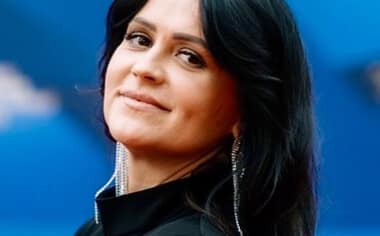
[ October 16, 2025 by ECWT 0 Comments ]

Nataliia Perekhryst

Your organization field and mission:

My mission is to develop high-quality, inclusive, and modern education that combines creativity, digital literacy, and the values of global citizenship. I integrate innovative technologies, including artificial intelligence and STEM education, into the learning process to inspire students to think critically, act responsibly, and shape a future built on knowledge and kindness.

Please tell us briefly about your role in the company / at your organization:

I work as a teacher of Computer Science and English, focusing on integrating innovative technologies and artificial intelligence into the learning process. I design and implement interdisciplinary STEM projects, organize workshops, and promote digital literacy among students. As an ambassador of EU Code Week and the Universal Youth Alliance, I represent and share best educational practices at national and international levels, fostering creativity, sustainability, and a culture of lifelong learning.
I am the winner of the “Computer Science Teacher of the Year 2025” nomination of the Global Teacher Prize Ukraine, which recognizes my professional excellence, leadership, and dedication to advancing modern Ukrainian education.

Your interest in STEM

My interest in STEM was born during my early teaching years, when I realized how powerfully science and technology could spark curiosity and creativity in children. With a background in Physics, Computer Science, and English, I began integrating interdisciplinary projects that connected coding, robotics, and environmental studies. Seeing how students’ eyes lit up when they could create and solve real problems inspired me to focus on STEM education as a way to prepare them for the future. Over time, this passion grew into larger initiatives — including AI-based environmental projects like “SmartSort: AI for a Clean Future” — aimed at developing critical thinking, innovation, and sustainability in the classroom.

My first role model was my grandmother, a teacher with encyclopedic knowledge and an incredible ability to love everyone equally. She taught me that true strength lies in kindness, responsibility, and lifelong learning. Growing up, I was inspired by her wisdom, honesty, and unwavering faith in education as a force for good.
Today, I continue to be inspired by innovative educators and leaders who use technology and creativity to transform learning — people who show that education is not just about knowledge, but about shaping values, empathy, and a better future for all.

Your studies

During my studies, my biggest challenges included:
Strengths: I have strong curiosity, discipline, and a love for learning, which helped me engage deeply with complex subjects like physics, computer science, and pedagogy.
Weaknesses: Balancing multiple disciplines at the same time and applying theoretical knowledge in practical classroom settings was sometimes difficult.
Opportunities: Access to modern educational resources, mentorship from experienced teachers, and participation in innovative projects allowed me to explore interdisciplinary approaches and STEM integration.
Threats/Challenges: Limited practical experience with emerging technologies initially, and the need to adapt quickly to rapid changes in educational tools and methodologies, especially in digital and AI-driven learning.

My advice to girls and women who want to pursue studies in STEM and education:
Believe in your curiosity and creativity, and never let stereotypes or self-doubt limit you. STEM fields thrive on curiosity, problem-solving, and innovation — qualities that everyone can develop. Seek mentors, embrace challenges as opportunities for growth, and don’t be afraid to take risks or try new technologies. Remember that your perspective, empathy, and unique ideas are as valuable as technical skills. By following your passion and staying persistent, you can not only succeed in your studies but also inspire future generations

You at work

At my school, we actively promote diversity, equity, inclusion, and sustainability through both curriculum and extracurricular projects. We design lessons and STEM projects that are accessible to all students, including those with special educational needs, ensuring everyone can participate and thrive. I lead initiatives such as “SmartSort: AI for a Clean Future”, which teach environmental sustainability through AI-driven waste sorting, combining technology with social responsibility.

We also foster cultural awareness and collaboration, encouraging students to work in diverse teams and respect different perspectives. Through partnerships with international programs such as EU Code Week, Universal Youth Alliance, Global Teacher Prize, Global Money Week, and participation in the Science on Stage AI Challenge platform, students engage in global projects that emphasize ethical, sustainable, and inclusive approaches to learning and problem-solving. These initiatives aim to create a learning environment where every student feels valued, included, and empowered to make a positive impact on their community and the world.

I am proud that in just one year I have achieved a series of significant accomplishments: winner of Coding Week 2024, winner of the “Modern Educational Institutions 2025” competition, ambassador of Global Money Week, winner of Code Week grant projects, and winner of the “Computer Science Teacher of the Year 2025” nomination of the Global Teacher Prize Ukraine. These achievements reflect my dedication to innovation, STEM education, and inspiring students to be creative, responsible, and proactive in shaping their future.

Your point of view

Technology can empower women by providing access to knowledge, skills, and opportunities that were previously limited. Digital tools, online learning platforms, and STEM education enable women to build careers in science, technology, engineering, and mathematics, pursue entrepreneurship, and engage in global networks. Technology also helps women amplify their voices, connect with mentors, and advocate for equality and social change.

By embracing innovation and digital literacy, women can overcome barriers, unlock their potential, and create impact in their communities and beyond, shaping a more inclusive and equitable future.

Believe in yourself and your curiosity, and don’t let stereotypes or self-doubt limit your potential. STEM fields thrive on creativity, problem-solving, and persistence — qualities that everyone can develop. Seek mentors, embrace challenges as opportunities to grow, and don’t be afraid to explore new technologies or innovative approaches. 

Remember that your unique perspective, empathy, and ideas are just as valuable as technical skills. Follow your passion, stay persistent, and know that by doing so, you can not only succeed in your career but also inspire future generations.

By 2030, I would like to see DEIS (Diversity, Equity, Inclusion, and Sustainability) fully integrated into STEM education and schools globally.

I envision a world where every student, regardless of gender, background, or ability, has equal access to high-quality STEM learning and opportunities to innovate. I hope schools become inclusive spaces where diversity is celebrated, collaboration across cultures and perspectives is the norm, and sustainability is embedded in every project and curriculum.

I also hope that by 2030, technology and AI will be used ethically and responsibly to support inclusive education, ensuring that no one is left behind. Ultimately, I want education to empower students to be problem-solvers, innovators, and responsible global citizens who contribute to a fairer, greener, and more equitable world.

To finish with

My values are integrity, empathy, curiosity, and lifelong learning. I believe in acting with honesty and responsibility, treating everyone with respect and care, and continuously seeking knowledge to grow personally and professionally. I value creativity, collaboration, and inclusivity, striving to inspire others and create learning environments where everyone feels empowered and supported.

My future challenges as a professional include continuously adapting to the rapid changes in educational technologies, particularly in the fields of AI, digital tools, and emerging STEM disciplines. I strive to balance innovation with inclusivity, ensuring that new methods and technologies are accessible to all students, including those with special educational needs.

Another challenge is scaling impactful projects, such as “SmartSort: AI for a Clean Future,” to reach more schools and communities while maintaining quality and sustainability. Additionally, I aim to mentor and inspire other educators, helping them implement innovative approaches and DEIS principles in their own classrooms. I am also a winner of the “Educational Dream” nomination, which has given me the opportunity to pursue my main goal — creating my own digital school, combining innovative technologies, STEM education, and inclusive approaches to make learning accessible, modern, and inspiring for every student.

Ultimately, my goal is to continue growing as a leader and lifelong learner, while ensuring that my work positively impacts students, colleagues, and the broader educational community.

By 2030, I hope my career will have evolved to a level where I can lead large-scale educational innovations that combine STEM, AI, and inclusive learning approaches. I envision expanding my digital school, creating a platform where students from diverse backgrounds can access high-quality, personalized education and develop critical thinking, creativity, and problem-solving skills.

I also hope to mentor and inspire a new generation of educators, helping them implement innovations, DEIS principles, and technology to make learning more engaging and equitable. In addition, I aim to become a school principal or lead an educational administration, allowing me to influence education at the institutional or regional level.
Ultimately, I want my work to have a meaningful global impact, fostering inclusive, sustainable, and forward-thinking education that prepares students to contribute positively to their communities and the world.

The current activity has been implemented in the framework of the Project: Code4Europe,
GA Number: 101158834. Official project website : 
https://codeweek.eu/ 
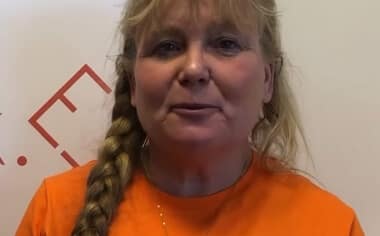
[ October 15, 2025 by ECWT 0 Comments ]

Annie Bergh

Your organization field and mission:

I work at the Department of development in the city of Malmö. The Development Department of the City of Malmö works to ensure “Varje elevs bästa skola” – Every Student’s Best Possible School.
Our mission is to support schools in providing high-quality, equitable, and future-oriented education for all learners. We strengthen schools through innovation, inclusion, digitalisation, and international collaboration — always with the student’s learning, wellbeing, and participation at the centre. By building bridges between research, practice, and policy, we help teachers and leaders develop sustainable practices that prepare students for an increasingly digital, interconnected, and rapidly changing world.

Please tell us briefly about your role in the company / at your organization:

As an International Coordinator at the Development Department of the City of Malmö, my mission is to connect innovation, inclusion, and international collaboration in education — turning global opportunities into local impact and vice versa.
I coordinate several Erasmus+ KA2 partnerships and lead Malmö’s Erasmus+ KA1 Accreditation consortium for schools with students age 6 – 16, enabling around 100–150 teacher and student mobilities each year. These projects strengthen our schools’ work with digital transformation, sustainability, and equity in education.
I currently serve as President of the EU Code Week Council, as well as an EU Code Week Ambassador and eTwinning Ambassador, promoting creativity, coding, and collaboration across Europe. For seven years, I were the regional project leader for the FIRST LEGO League finals in Skåne/Malmö, empowering students to explore STEM, innovation, and teamwork, up until 2023. As the person responsible for Malmö’s work with NAO robots, I have spent nearly a decade using robotics to enhance language learning, reading motivation, and inclusion for students aged 6–19. I learned programming myself through this work — together with teachers and students — which strengthened my belief that learning should always be collaborative, playful, and human-centred. In addition, I design and host international training courses, study visits, and dissemination events in Malmö to share results, inspire others, and build long-term partnerships. My goal is to empower both educators and students to see themselves as changemakers shaping Europe’s digital and sustainable future.

Your interest in STEM

My interest in STEM grew naturally through my work — by learning with and from students. Seeing their curiosity, creativity, and problem-solving skills develop sparked my own fascination. Over time, working hands-on with our NAO robots deepened that passion; programming and experimenting alongside teachers and students taught me that technology can be both empowering and profoundly human.

International collaborations through Erasmus+ projects, eTwinning, and EU Code Week have also shaped my understanding of how STEM can unite people across cultures. For me, STEM is not just about science and technology — it’s about curiosity, creativity, and collaboration as driving forces for positive change.

I have been fortunate to meet many inspiring people who have shaped my professional journey. One of the first was Leila Khammari, a visionary STEM and STREAM advocate and founder of STREAM Scandinavia, whose work connects education with industry and opens doors for young people in technology and innovation.

Another is Sumita Batharrayya from Vellinge, whose leadership and dedication to creativity, equity, and lifelong learning continually remind me that courage and compassion are the foundation of all meaningful change.

I am also deeply inspired by Professor Chunfang Chen from the University of Southern Denmark, whose research into creativity, innovation, and engineering education has profoundly influenced how I view learning as a shared, evolving process between research, practice, and policy.

And, perhaps most powerfully, Team Amaryllis from Malmö — a group of extraordinary students who have represented Sweden in both the Scandinavian and World Finals of the FIRST LEGO League. Their creativity, teamwork, and perseverance embody everything that education should nurture.

Together, these individuals — educators, researchers, and students — remind me daily that inspiration flows in all directions. Real change happens when we listen, learn, and create together.

Your studies

My biggest challenge has been stepping into the world of digitalisation and technology from a non-technical background. As a teacher of languages, social science, and core values, learning to master digital tools, programming, and leading digital development was at first overwhelming. The learning curve was steep — and many times, the struggle felt very real.

But these challenges became my greatest teachers. They taught me perseverance, curiosity, and the importance of learning together with others. Today, this journey allows me to bridge disciplines and help other educators see that technology isn’t only for “tech experts” — it’s a creative language that anyone can learn to speak.

My advice is: don’t wait until you feel ready — start, and learn as you go. You don’t need to be a “tech person” to belong in this field. Curiosity, creativity, and empathy are just as valuable as coding or engineering skills.

Surround yourself with people who lift you up, ask questions fearlessly, and never apologise for wanting to understand how things work. Technology and innovation need diverse voices — and your perspective matters.

And remember: every time you doubt yourself, someone else is waiting to see someone like you succeed. Be that person — for yourself, and for the girls who will come after you.

You at work

The City of Malmö’s Development Department works strategically with diversity, equity, inclusion, and sustainability (DEIS) in every aspect of our mission — guided by the vision “Varje elevs bästa skola” (“Every student’s best possible school”).

Our work is strongly aligned with the UN Sustainable Development Goals (SDGs). We empower schools and students to take real action for sustainability through authentic, cross-curricular learning experiences. One of our key initiatives is InnoCarnival, where students develop innovative solutions to real global and local challenges, learning to see themselves as active changemakers.

Through international Erasmus+ projects such as UNITY, ECO-STEAM, and M-STEM, we integrate sustainability, digital literacy, and global citizenship into everyday teaching and learning. Inclusion and equity are at the heart of all our activities — from school-dog pedagogy supporting emotional inclusion to NAO robotics inspiring reading motivation and curiosity in students of all ages.

Sustainability for us means more than environmental responsibility — it also includes social and digital sustainability: building resilient, inclusive, and future-ready schools where every learner can thrive and contribute to a better world.

What makes me most proud is seeing how technology can reconnect, empower, and include students who might otherwise be left out.

I initiated the introduction of AV1 telepresence robots in Malmö, and for seven years I worked with schools to make sure children who could not physically attend school — due to illness, anxiety, or other circumstances — could still be present, learn, and stay part of their class community. The impact was profound: friendships continued, learning progressed, and belonging was restored.

I also initiated Malmö’s long-term work with NAO robots, using them to support language learning, reading motivation, and inclusion among many other initiatives  from ages 6 to 19. Watching teachers and students discover new ways to learn together — across subjects, cultures, and abilities — is what continues to inspire me every day.

For me, true innovation is not about technology itself, but about how it helps us stay human, connected, and hopeful.

Your point of view

Technology can be one of the most powerful tools for equity and empowerment — when access, skills, and confidence are shared equally. It opens doors for women to learn, connect, and lead on their own terms. For me, empowerment begins with visibility and voice. When women design, code, innovate, and lead projects, they reshape what technology looks like — and who it is for. Technology allows women to collaborate across borders, challenge stereotypes, and create new opportunities not only for themselves but for others who follow.

In education, I’ve seen how girls gain confidence when they realise they can build robots, program code, or lead a digital project. The key is not just teaching technology — it’s inviting women and girls to see themselves as creators of it. That’s how technology becomes truly transformative: when it helps everyone participate equally in shaping the future.

My advice is simple: believe that you belong here — because you do. You don’t need to fit a certain profile or have a technical background to make an impact in technology and education. Curiosity, creativity, and empathy are your greatest strengths.

Start small, stay curious, and don’t be afraid to ask questions or make mistakes — that’s how real learning happens. Surround yourself with people who share knowledge generously and lift each other up.

This field needs more women’s perspectives, voices, and ideas. We design better solutions when more people are included in shaping them. So take your place — not quietly, but confidently — and remember: the future of technology is brighter when you’re part of it.

By 2030, I hope diversity, equity, inclusion, and sustainability (DEIS) are no longer seen as separate goals — but as the foundation of how we design education and technology. I want every student, regardless of gender, background, or ability, to have equal access to meaningful digital learning experiences. Technology should not widen gaps — it should close them. That means designing tools, policies, and learning environments that are accessible, inclusive, and sustainable from the start.

I also hope that by 2030, we see more women and underrepresented groups in leadership roles across education and technology, shaping decisions and innovations that reflect the diversity of our world. In short, I want DEIS to move from being a vision to being our shared reality — where every learner, teacher, and innovator can thrive and contribute to a better, more sustainable future.

To finish with

My core values are inclusion, curiosity, collaboration, empathy, wellbeing, and building relations. For me, everything begins with building meaningful relations — creating trust, understanding, and a sense of belonging between people. Strong relationships are the foundation of learning, leadership, and innovation. I believe education should open doors for everyone, helping each learner feel seen, valued, and capable. Curiosity drives creativity, and learning should be a joyful, lifelong process that grows through collaboration.

Empathy and wellbeing — including digital wellbeing — are equally important. Technology should strengthen human connection and support balance, not replace it. These values guide my work every day, reminding me that the true goal of innovation is not efficiency, but human connection, growth, and hope.

One of my future challenges will be to continue balancing rapid technological change with the human dimension of education — ensuring that digital transformation always serves people, not the other way around. As technology evolves faster than ever, I want to keep developing my own digital skills while staying grounded in empathy, inclusion, and wellbeing. Another challenge is to build sustainable systems for innovation — where creativity can thrive without overwhelming teachers or students.

I also see it as a personal mission to keep building relations across sectors and countries, creating bridges between education, research, and industry. Staying curious, open, and humble in this process will be both my biggest challenge — and my greatest strength.

By 2030, I hope to work even closer to students — empowering them, amplifying their voices, and helping them realise the power they have to shape the world. I want to continue supporting young people, but from a broader perspective than within a single school system.

I believe deeply in the voice of youth and the importance of creating platforms where they can influence, innovate, and lead. My goal is to work in a larger, international context — beyond the municipality — where my experience, creativity, and collaborative mindset can be used to drive positive change on a wider scale. I know that I can do so much more than I am doing today for more students than I reach today through my work: 36 000 in Malmö can easily be scaled up working in another context. I see myself connecting education, innovation, and policy in new ways, ensuring that digital transformation and inclusion go hand in hand — and that every young person feels seen, heard, and capable of making a difference.

The current activity has been implemented in the framework of the Project: Code4Europe,
GA Number: 101158834. Official project website : 
https://codeweek.eu/ 
[ October 14, 2025 by ECWT 0 Comments ]

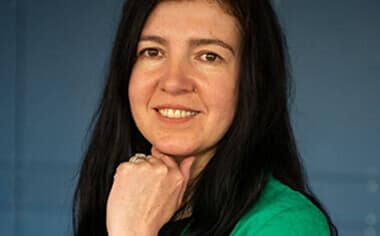
Olha Doskochynska

Your organization field and mission:

The mission of our lyceum: To develop and form in students the key competencies necessary for the successful life of a holistic and competitive personality.
The vision of our lyceum: The educational environment of the Ivan Pulyuy Lyceum ensures the comprehensive development of the student, contributing to the formation of his ability to independently determine his trajectory and actively take care of his development.
Graduates of our lyceum have a high level of knowledge and are able to realize their potential in relationships with other people, as well as in professional and personal life.

Please tell us briefly about your role in the company / at your organization:

My role as a teacher is to prepare students for the digital future, developing in them not only technical skills, but also critical thinking, creativity and responsibility, to inspire, help find knowledge, form STEM and digital literacy and prepare for the realities of the information society.

Your interest in STEM

Back in 2016, my students and I created a STEM project called “Flower Watering Robot” using Arduino kits and sensors. And this result inspired me to develop STEM. That was the beginning. Now we are actively involved in STEM projects.

My first role model was my mathematics teacher. Thanks to her, I developed an interest in science, particularly in mathematics and physics. Later, my own students became my source of inspiration – their eagerness to create STEM projects motivates me to keep going, support them in bringing their ideas to life, and nurture their love for science. Today, I strive to be a role model for younger teachers, sharing my experience and involving them in STEM initiatives both at our lyceum and at national and international levels.

Your studies

During my studies, one of my biggest challenges was overcoming the lack of practical opportunities and modern equipment to explore technology. I was passionate about computer science and physics, but access to resources was limited, which meant I had to rely on creativity, self-learning, and collaboration with others to gain practical experience.
From a SWOT perspective:
Strengths: strong motivation to learn, persistence, and curiosity about how technology can solve real-world problems.
Weaknesses: limited access to modern tools and mentors in the STEM field.
Opportunities: participation in teacher training programs, online communities, and international STEM initiatives.
Threats: gender stereotypes in technology and the lack of role models for young women in STEM.
These challenges motivated me to become not only a teacher but also a mentor and leader in STEM education -helping students and colleagues develop their own innovative projects and believe in their potential.

My advice to girls and women who want to study in STEM fields is to believe in your abilities and never let stereotypes define your path. Creativity and perseverance are more important than perfection. Don’t be afraid to make mistakes, ask questions, experiment – because that’s how innovation happens. Surround yourself with people who support you, mentors, and a community that inspires you to grow. Remember that your perspective and ideas are valuable, and the STEM world needs your voice and vision.

You at work

In our organization, we actively promote Diversity, Equality, Inclusion and Sustainability (DEIS) through education and empowerment for girls. We create equal opportunities for girls and women in STEM by organizing workshops, mentoring programs and leadership trainings. Our projects focus on inclusive education, psychological well-being and digital literacy for teachers and students. We also encourage sustainable development by integrating eco-STEM themes and digital tools that facilitate responsible innovation.

I am most proud of creating opportunities for students and teachers to explore innovation and technology through STEM educational initiatives. Seeing young people develop critical thinking, creativity, and confidence in their abilities, especially girls who begin to believe that they can be leaders in technology and science, has been the most rewarding part of my job. Together with the students, they joined the CodeWeek initiative, Girls Go Stem, Involved girls in the Young Inventors Club, engaged in robotics club.

Your point of view

Technology empowers women by giving them access to education, skills, and networks that open new opportunities. It allows women to work flexibly, start businesses, and share their voices with the world. In this way, technology helps women lead, innovate, and create real change in their communities.

My advice to girls and women aspiring to work in technology is to embrace curiosity and resilience. Participate in initiatives like Girls in Code Week to gain hands-on experience and connect with inspiring role models. Remember, the digital world thrives on diverse perspectives, and your unique voice can drive meaningful change. Start small, stay consistent, and never underestimate the power of your ideas.

I hope that by 2030, regardless of gender or background, there will be equal access to digital education and opportunities. I want to see more women and girls leading, innovating, and shaping the tech sector. Inclusion and digital skills should become a natural part of everyday learning and work.

To finish with

My core values ​​are inclusion, curiosity, and empowerment. I believe in creating opportunities for everyone to learn, grow, and make a positive impact. I strive to lead with integrity and inspire others through education and technology.

А future challenge for me will be keeping up with fast-changing technology while making sure my work stays meaningful and inclusive. I also want to balance leadership with hands-on involvement in projects that empower students and communities. Finally, collaborating across diverse teams and continuously learning will be key to overcoming these challenges.

By 2030, I aim to expand my work in technology, education, and social impact, creating inclusive digital learning opportunities. I want to empower the next generation, especially girls and underrepresented groups in tech, while growing in both professional impact and personal fulfillment.

The current activity has been implemented in the framework of the Project: Code4Europe,
GA Number: 101158834. Official project website : 
https://codeweek.eu/ 
[ October 14, 2025 by ECWT 0 Comments ]

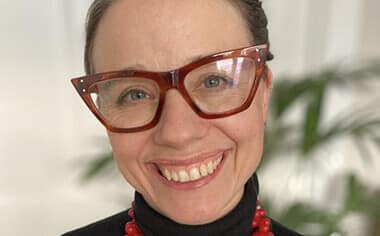
Zoe Philpott

Your organization field and mission:

We create awe, wonder and fun through brilliant storytelling. We work with brands, education, governments and non profits to drive positive change for social and economic benefits by telling their stories exceptionally well.

Please tell us briefly about your role in the company / at your organization:

I am a founding director.

Your interest in STEM

I having been using different technology creatively, to engage different audiences since 1999. I now am an active champion for women on tech.

Your studies

Being disuaded from learning to code when I was in education.

Don’t be put off by other people’s thoughts on what is ‘right’.

You at work

Your point of view

Engaging in tech means women are part of the future, instead sidelined by unconscious bias being programmed into the tech that defines so much in society.

To finish with

Love, generosity, listen, collaborate, continuous learning.

The current activity has been implemented in the framework of the Project: Code4Europe,
GA Number: 101158834. Official project website : 
https://codeweek.eu/ 

[ October 13, 2025 by ECWT 0 Comments ]

Natalia Honcharova

Your organization field and mission:

Non-profit organizations that for over 100 years has helped young people acquire the knowledge and skills needed to become successful participants in the global economy. JA programs operate successfully in 40 European countries and more than 100 countries worldwide, reaching over 100 million young people annually. The main goal of JA Ukraine is to develop and expand educational programs for Ukrainian youth in economics and entrepreneurship, digital by establishing and strengthening connections between the private sector, public sector, and youth, in line with the principles and standards of the international Junior Achievement educational movement. Our mission is to educate economically literate, prepared, creative, proactive, and confident young Ukrainians who are ready to succeed in various fields. Our objective is to prepare youth for the labor market and to develop their entrepreneurial skills.

Please tell us briefly about your role in the company / at your organization:

As Head of Digital Skills Projects, I manage programs and initiatives including Code4Europe (an EU Code Week initiative), Microsoft Generative AI, and IBM SkillsBuilding. I lead the design and implementation of projects that develop digital literacy, entrepreneurship, and STEM skills among Ukrainian youth. Through these programs, we have engaged over 150,000 students and 700 educators. I also create training materials, organize workshops, mentor students and educators, and collaborate with national and international partners to expand impact and reach.

Your interest in STEM

My interest in STEM was born during my school years. I grew up in a modest family that couldn’t afford gadgets or a personal computer, so every free moment during IT classes I spent catching up with those who had access to technology at home. Later, I decided not to stop there and enrolled in a specialized lyceum to better understand technology. What fascinated me most was learning the ten-finger typing method, which became a symbol of persistence and structured learning for me. Over time, I realized that I wanted not only to study technology but also to teach it to others — especially girls like me who didn’t always have equal access to digital resources.

My passion for STEM deepened during my university studies, when I realized how technology can transform education and create opportunities for community development. I became fascinated with digital literacy, coding, and artificial intelligence, and their potential to empower young people — particularly girls — to thrive in the modern world. Currently, I am working on my PhD dissertation on developing digital skills among university educators, as I believe that teachers are the driving force behind building the digital competencies of future generations. By empowering educators, we create the foundation for sustainable digital growth in our society.

My first role model was my school informatics teacher, who believed in me long before I believed in myself. I still remember how she stayed after classes to show me how computers work — even when I could barely type or save a file. She used to say, “You don’t need the newest technology to create something meaningful — you just need curiosity and courage.” Those words stayed with me. At university, my inspiration shifted to women in technology who broke stereotypes — people like Ada Lovelace, the world’s first programmer, and Susan Wojcicki, who helped shape the digital world through leadership and vision.

Today, I continue to draw inspiration from Ukrainian women in STEM and education who, despite challenges and limited resources, keep teaching, innovating, and supporting students. They prove every day that true leadership is not about having everything — it’s about making the most of what you have and helping others rise with you.

Your studies

One of my biggest challenges was growing up without access to personal technology. My family couldn’t afford computers, so I spent extra hours in the school computer lab learning to code, type, and explore the digital world. This limitation became my strength — it taught me perseverance, adaptability, and how to learn creatively with few resources.

I also faced the lack of female role models in technology, which at first felt like a threat, but later turned into my motivation — to become that role model for others. My opportunities came through continuous learning, collaboration, and international programs that expanded my digital and leadership skills.

Don’t be afraid to start — even if you think you’re not ready. None of us ever truly are. Curiosity is your greatest tool, and courage grows with every small step you take. I know what it feels like to doubt yourself or to think that technology is “not for you,” but it is — it’s for everyone who wants to create, help others, and make the world better. Find people who believe in you, and never stop believing in yourself. Every question you ask, every skill you learn, every challenge you overcome — it all brings you closer to who you’re meant to be. The world of technology needs your ideas, your empathy, and your unique story.

You at work

At JA Ukraine, we integrate DEIS principles across all our programs. We promote equal access to digital education for students from diverse regions of Ukraine — including rural areas and communities affected by war. Our projects encourage gender balance by engaging both girls and boys in coding, entrepreneurship, and AI activities, often led by female mentors and role models. We also emphasize sustainability by teaching students to use technology responsibly and to develop projects that address real social and environmental challenges. Through these initiatives, we strive to make digital skills a tool for inclusion and empowerment.

I’m most proud of building programs that, in just one year, have reached over 150,000 students and 700 educators across Ukraine, helping them develop digital and entrepreneurial skills that can truly change their lives.

Seeing young people — especially girls — who once doubted themselves now confidently creating apps, coding, and leading projects is the greatest reward. I’m also proud that our initiatives — including EU Code Week, Microsoft Generative AI, and IBM SkillsBuild — have become national examples of how education and innovation can empower an entire generation, even in times of challenge.

Your point of view

Technology gives women the power to learn, create, and connect without limits. It removes barriers of geography, status, and even stereotypes — allowing women to access knowledge, build businesses, and share their voices with the world. For women in Ukraine and beyond, technology has become not only a tool of resilience but also a path to leadership and independence. When women gain digital skills, they gain freedom — to choose, to influence, and to shape the future.

Start where you are, with what you have — and don’t wait until you “feel ready.” The tech world needs your ideas, empathy, and creativity.
Be curious, stay brave, and remember that your unique perspective is your greatest strength. Find mentors, keep learning, and never let fear of failure stop you — every mistake is a lesson. Technology isn’t just about coding or machines — it’s about people, collaboration, and building a better world. And women belong at the heart of that change.

By 2030, I hope to see a tech and education sector where diversity, equity, inclusion, and sustainability are not just values — they are everyday practices. I envision more women and underrepresented groups leading digital projects, shaping policies, and designing technologies that reflect real social needs. I want every teacher, student, and community — regardless of location or background — to have equal access to digital skills education. My dream is for Ukraine to become a place where digital inclusion and sustainability drive both innovation and empathy, making technology a force for good for everyone.

To finish with

My core values are education, empathy, integrity, and innovation. I believe that meaningful change begins with learning and sharing knowledge. I value collaboration over competition and strive to create opportunities that empower others — especially young people and women — to believe in their potential. As a Ukrainian educator, I deeply value resilience and community — the spirit that keeps us learning, creating, and helping others even in times of uncertainty.

One of my biggest challenges is ensuring that digital education remains accessible, inclusive, and relevant for all — especially in Ukraine, where education has become both a tool of recovery and a bridge to the future. I aim to bridge the gap between technology and pedagogy, helping teachers confidently adapt to AI and new tools. Another challenge is keeping a balance between rapid innovation and human connection while leading projects that bring real social impact to Ukrainian communities.

By 2030, I hope to be a recognized expert and mentor in digital skills development and inclusive education — leading national and European initiatives that support educators and youth across Ukraine.

I want to see more Ukrainian teachers and students using technology not just as consumers, but as creators and innovators who rebuild, inspire, and lead. My ultimate goal is to help make Ukraine a model of how digital skills, education, and resilience can transform a nation — and empower people to shape a better, more connected world.

The current activity has been implemented in the framework of the Project: Code4Europe,
GA Number: 101158834. Official project website : 
https://codeweek.eu/